xinyuanshun@xyspaper.com
+86-13316621858
+86-0750-3766098

Hospital packaging work requires more than a simple sheet of paper. Medical instruments may need to pass through sterilization, storage, internal transport, and clinical use before they reach the operating room or treatment area. If the wrapping material tears, loses barrier performance, releases fibers, or fails during handling, the risk can affect patient safety, hospital workflow, and purchasing accountability.
For hospital supply buyers, sterilization centers, medical device packagers, and distributors, Medical Wrapping Paper should be selected by performance stability rather than only price. Low-grade material may reduce purchase cost at first, but it can increase rewrapping, instrument rejection, contamination concerns, and quality complaints.
Medical wrapping paper is handled many times. Staff fold it, wrap trays, transfer wrapped packs, place them into sterilization equipment, move them into storage, and open them when needed. If the paper has poor tear resistance, small cracks or punctures may appear before use.
This creates waste because the pack may need to be wrapped again. In busy hospital sterilization departments, repeated rewrapping increases workload and slows instrument turnover.
A package that looks damaged after sterilization or storage may be rejected by hospital staff. Even if the instruments inside are not visibly affected, the wrapping failure can raise concerns about package integrity.
For medical packaging paper manufacturer selection, buyers should review strength, uniformity, cleanliness, and barrier performance before confirming long-term supply.
Sterile wrapping paper should help maintain package protection after sterilization. If the material is too weak, too porous, or inconsistent, the hospital may face doubts about whether the contents remain protected during storage.
This is a serious issue for hospitals because instrument availability depends on reliable sterile packaging. When wrapped packs are rejected, the hospital may need to repeat sterilization, increasing labor, energy, and equipment use.
Low-quality paper may produce dust, fibers, or uneven surface particles. In medical environments, this can create concern because packaging cleanliness is closely linked to professional standards.
Buyers should not only check price and size. They should also examine paper surface condition, fiber control, and whether the product is suitable for the intended sterilization and storage process.
One batch of sterile wrapping paper may work acceptably, while another batch may feel thinner, tear more easily, or behave differently during folding. This inconsistency creates problems for purchasing teams and hospital users.
For distributors and hospital supply buyers, batch consistency supports trust. When the same product performs differently across shipments, downstream customers may question supplier reliability.
Hospitals often require clear product information before using packaging materials. Buyers may need specifications, usage guidance, packaging details, and supplier communication support.
A reliable supplier should help buyers respond to procurement review, product comparison, and quality feedback more efficiently.
Medical wrapping paper may lose stability if stored in unsuitable conditions. Excess humidity can affect paper strength and handling performance, while overly dry conditions may influence flexibility.
For buyers importing sterile wrapping paper, transport and storage planning should be discussed before shipment. Paper packaging products need protection from moisture, contamination, crushing, and rough handling.
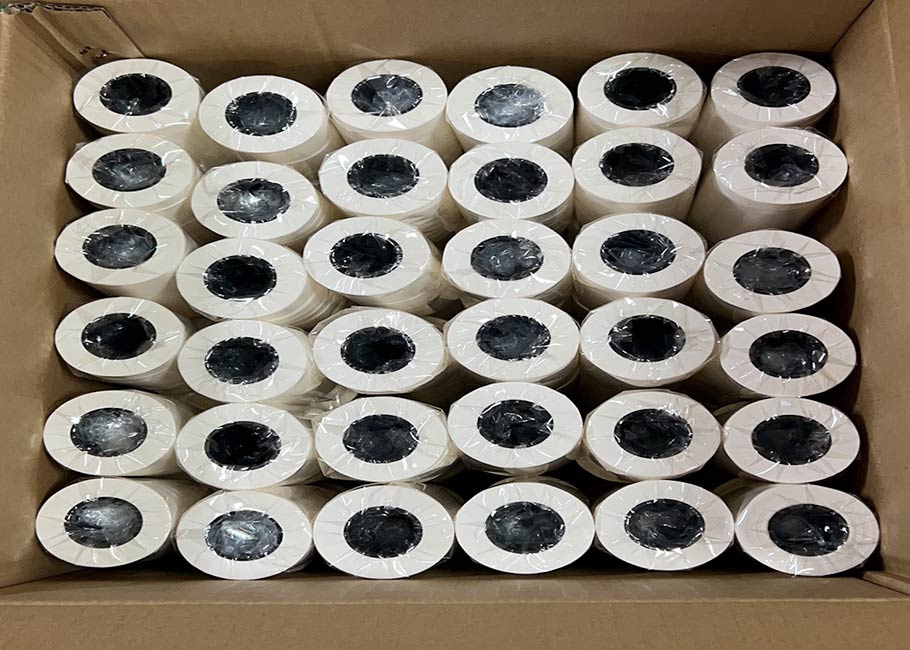
If the outer packaging is weak, wrapping paper may arrive with crushed edges, damaged rolls, or contaminated packaging. This can affect hospital acceptance even before the product is used.
Export packing should protect both product quality and cleanliness. For medical paper buyers, packing quality is part of the purchase decision.
Our company was established in 2008 in Jiangmen, Guangdong, and integrates production, warehousing, processing, distribution, and after-sales service. The business focuses on new material technology development and provides manufacturing and sales of packaging materials and paper products.
This integrated model helps our team support buyers who need stable paper product supply, technical communication, and export service rather than one-time trading only.
Our product categories include Medical Wrapping Paper, Medical Kraft Paper, Kraft Paper, Laminated Paper Roll, Packaging Paper, Release Paper, Food Paper, Rust Proof Paper, Release Film Roll, Label Paper, and related paper and film products.
This product coverage allows our team to understand different packaging and wrapping requirements across medical, industrial, food, labeling, and protective material applications.
The company also provides new material technical services, including consulting, development, exchange, transfer, and promotion. It supports import and export of goods and technology, which is important for global buyers who need communication, documentation, and stable supply across different markets.
Before bulk ordering Medical Wrapping Paper, buyers should test folding, wrapping, tear resistance, sterilization compatibility, storage handling, and opening performance under real usage conditions.
A sample should not only be checked by weight or appearance. It should be evaluated based on hospital workflow.
Buyers should confirm size, grade, packing method, storage guidance, order quantity, and delivery schedule before placing regular orders.
For hospital supply distributors, this reduces the risk of delivering unsuitable material to customers.
Low-grade Medical Wrapping Paper can create hidden costs through rewrapping, rejected packs, delayed instrument turnover, and quality complaints. For hospitals and medical packaging buyers, selecting stable wrapping material is part of protecting daily operation and procurement confidence.
Our team can help hospital supply buyers, sterilization packaging distributors, and medical device packagers review paper specifications, packing methods, order planning, and export delivery requirements. For buyers comparing sterile wrapping paper or looking for a medical packaging paper manufacturer, early discussion can help reduce quality risks before bulk supply begins.
For sample requests, bulk quotation, product specification discussion, or long-term supply cooperation, you can share your required paper size, packing format, target application, order quantity, and destination market with our team. We can help review product suitability and prepare a quotation based on your actual procurement needs.
To learn more or request a quotation, visit https://www.xyspaper.com.