xinyuanshun@xyspaper.com
+86-13316621858
+86-0750-3766098

Long distance shipping places real pressure on export packaging. Cartons may move through warehouses, container loading, sea freight, customs handling, and final distribution before reaching the buyer. When the strapping material breaks during this process, the problem is not only a damaged package. It can cause pallet movement, loose cartons, mixed goods, product loss, customer claims, and extra labor for repacking.
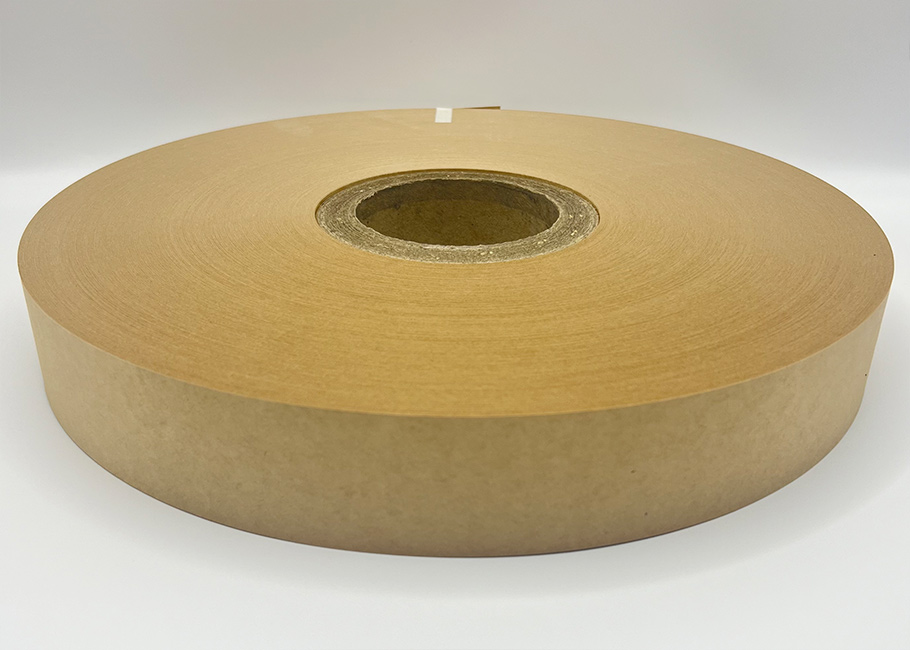
For packaging plants, exporters, logistics buyers, and paper packaging distributors, Kraft Paper Strapping Tape is often considered when companies want a more paper-based packaging solution. However, buyers still need to verify tensile strength, sealing performance, roll consistency, and equipment compatibility before switching from plastic strapping or other packaging materials.
A paper strapping tape used for lightweight cartons may not be suitable for heavier export packages. If the strap strength does not match the load weight, carton size, stacking height, or pallet movement, breakage may occur during transportation.
Export buyers should not evaluate paper strapping tape only by appearance or unit price. They should confirm the required breaking strength, package weight, bundling method, and whether the tape will be used for cartons, printed materials, light industrial goods, or mixed export packages.
Strapping failure is not always caused by weak material. Sometimes the tape itself is acceptable, but the sealing point fails because of unstable heat sealing, poor pressure control, or unsuitable equipment settings.
For packaging plants, this means the tape must be tested together with real packaging equipment. A roll that works well by hand may not behave the same way on automated or semi-automatic machines.
During sea freight, packages experience vibration, compression, humidity changes, and repeated handling. Even if the strap does not break during warehouse testing, it may weaken during long distance shipping.
This is why export packaging buyers should simulate real logistics conditions when selecting Kraft Paper Strapping Tape. A short test in the factory cannot fully represent container movement across several weeks.
Paper packaging materials can react to humidity if storage and packing conditions are not controlled properly. When paper strapping absorbs moisture or is stored in unsuitable conditions, its strength may become less predictable.
Buyers should discuss storage requirements, packing protection, and destination climate with the supplier before confirming bulk orders. This is especially important for shipments to tropical or humid markets.
Packaging lines depend on stable material feeding. If roll width, thickness, or core size does not match the machine, operators may face jamming, uneven tension, or frequent adjustment.
For factories using paper strapping tape in production, equipment compatibility should be checked before bulk purchase. This reduces downtime and keeps packaging output more predictable.
Uneven roll winding can cause feeding problems during packaging. When the tape does not unwind smoothly, workers may need to stop the machine, cut damaged sections, or replace rolls earlier than expected.
For packaging plants, this increases waste and reduces labor efficiency. Consistent roll tension and clean winding help the tape perform better in daily use.
Our company was established in 2008 and is located in Jiangmen, Guangdong. It is a production and processing factory integrating production, warehousing, processing, distribution, and after-sales service. The business covers packaging materials, paper products, plastic packaging, containers, plastic and rubber products, new material technical services, and import and export of goods and technology.
This background is useful for buyers who need not only one product, but also stable supply, material communication, and export coordination for packaging-related orders.
Our product categories include paper strapping, packaging paper, kraft paper, medical kraft paper, laminated paper roll, Release Paper, Label Paper, Food Paper, Rust Proof Paper, release film roll, and other paper and film materials. This allows our team to understand different packaging scenarios and help buyers select materials based on real application needs.
For paper strapping tape supplier selection, buyers should pay attention to product stability, order communication, packing method, and after-sales response.
Before placing a large order, buyers should test Kraft Paper Strapping Tape with the actual carton size, load weight, strapping machine, sealing method, and palletizing plan.
This helps identify whether the material is suitable for the buyer’s real packaging environment instead of relying only on sample appearance.
Buyers should also discuss storage temperature, humidity protection, carton packing, roll quantity per box, and loading method. These details help reduce strength loss before the tape reaches the final user.
For distributors, stable packing also reduces damage during secondary delivery.
Export packaging should protect goods through the whole logistics chain, not only during warehouse handling. Kraft Paper Strapping Tape can support paper-based packaging needs, but its value depends on strength, sealing performance, roll consistency, and proper use conditions.
Our team can help packaging plants, exporters, logistics buyers, and paper packaging distributors review tape specifications, roll requirements, equipment compatibility, packing methods, and bulk order plans. For buyers planning to switch packaging materials or improve long distance shipping stability, early technical communication can reduce breakage risk and avoid repeated claims.
For product inquiry, bulk quotation, sample discussion, or packaging material selection support, you can share your package weight, strapping method, equipment model, roll size, and destination market with our team. We can help review whether the product matches your shipping and production needs before order confirmation.
To learn more or request a quotation, visit https://www.xyspaper.com.