xinyuanshun@xyspaper.com
+86-13316621858
+86-0750-3766098

When buyers look for tape for industrial packaging lines, the first instinct is usually to compare price, roll size, or basic sealing effect. In real production, those points are only the beginning. What really decides whether a tape works well is much more practical. Can it run smoothly on the line? Can it keep packaging stable in bulk use? Can it reduce rework instead of creating more of it?
That is why the best tape for an industrial packaging line is not simply the cheapest one or the one with the most technical description. It is the one that fits the packaging method, the production rhythm, and the type of product being packed.
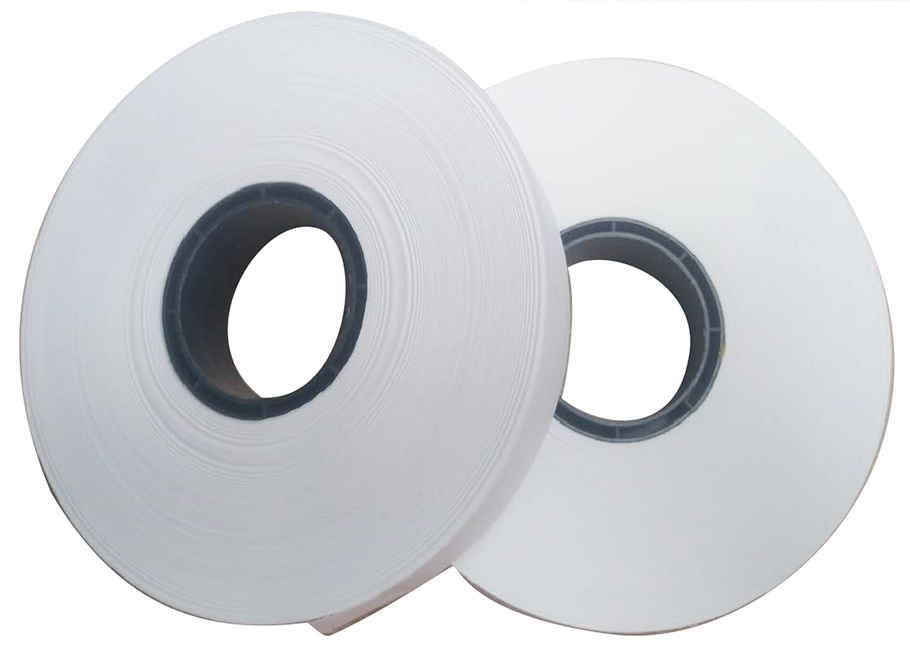
Our Heat Seal Banding Tape fits this topic naturally because it is made for bundling and heat-sealing use in real production environments. For buyers working in packaging, logistics, apparel, stationery, electronics, or similar industries, this kind of tape is not just a material purchase. It affects line efficiency, package consistency, and daily operating cost.
A common sourcing mistake is choosing tape by category name alone. Many products can sound suitable on paper, but once they are used on an actual line, problems begin to show. The tape may not seal evenly, may not feed smoothly, or may not match the packaging speed.
That is why the right place to start is the line itself. Buyers should first look at how the product is packed, whether the line is manual or semi-automatic, how often the tape is applied, and what kind of consistency the packaging needs.
In industrial production, the best tape is usually the one that reduces interruptions. If the line keeps moving, operators work more smoothly, and the package stays neat, the material is doing its job.
In bulk production, unstable packaging creates more cost than most buyers expect. If the tape does not hold well enough, products shift during handling. If the seal is inconsistent, packages may loosen in storage or transport. If the material quality changes from one batch to another, the line becomes harder to manage.
This is why industrial buyers usually care less about sales language and more about repeat performance. A tape has to behave in a predictable way. It should not work well in the sample and then create problems in larger runs.
For this reason, the best tape for industrial packaging lines is usually the one that supports stable bundling and sealing without forcing operators to constantly adjust the process.
For many industries, heat-sealing tape makes more sense than simple pressure-based bundling because it creates a cleaner and more controlled result. In production environments where products are grouped, bound, or prepared for transport, a tape that seals through heat can support a more secure and more finished package.
This is especially useful where packaging needs to look tidy as well as stay secure. In some sectors, appearance affects the final impression almost as much as holding strength. In others, the tape is part of the handling process and needs to stay dependable under movement and storage pressure.
Our Heat Seal Banding Tape works well in this kind of situation because it is closer to a packaging-process material than a general-purpose tape. That makes it easier for industrial buyers to use it as part of a real production solution.
Different products create different packaging pressure. A bundle of printed materials, a group of apparel items, a packaged electronics accessory, and a boxed stationery set do not all need the same thing from tape.
Some need cleaner bundling. Some need a more presentable finish. Some need faster processing. Some need a material that supports custom width or thickness to match a certain line or package format.
This is one reason practical customization matters in this category. Buyers are not always asking for change because they want something unusual. Often, they just need the tape to fit the line better. A better fit usually means fewer stoppages, better package consistency, and easier repeat purchasing.
A lot of buyers start by trying to reduce tape cost. That makes sense, but in real production, line efficiency often saves more money than a small difference in unit price.
If the tape causes delays, creates rework, or increases waste, the line pays for it somewhere else. Operators lose time, packages need adjustment, and the whole process becomes less predictable. That is why experienced buyers often look at the full cost of use, not just the purchase price.
The best tape for industrial packaging lines is usually the one that helps the line move more smoothly and keeps packaging results more stable over time.
In some markets, buyers compare heat-sealing materials with other closure solutions before deciding what fits their line best. One of those comparison terms is resealable tape. That kind of tape serves a different purpose, but buyers still search and compare because both products sit in the broader packaging discussion.
In industrial lines, the decision often comes down to function. If the package needs repeated opening and closing, one direction makes sense. If it needs stable bundling, cleaner grouping, and more controlled sealing in production, another direction makes more sense. That is why the best choice depends less on broad category names and more on what the packaging line is actually trying to achieve.
In industrial materials, OEM and ODM work best when they solve something practical. Width adjustment, thickness selection, surface treatment, or packaging format can all be useful if they help the tape match the line better.
The goal is not to make the tape more complicated. It is to make it easier to use in the real production environment. For some buyers, that means improving feeding stability. For others, it means matching bundle size, product type, or branding needs. Practical customization usually creates more value than cosmetic change.
For wholesalers, converters, and factory buyers, this kind of flexibility makes supplier cooperation much more useful in long-term purchasing.
A tape that works well once is not enough for industrial business. Buyers need to know whether the same quality can be maintained in repeat orders.
This is one of the biggest differences between casual buying and real packaging supply. The product needs to stay consistent in line use, not only in a one-time sample. If the next shipment runs differently, even a good material becomes a problem.
That is why experienced buyers often look closely at supplier stability. In this category, repeat consistency is part of the product value.
The best tape for industrial packaging lines is the one that matches the line, supports stable bundling, improves packaging consistency, and keeps daily operation smooth. In real production, performance, fit, and repeat supply matter more than simple price comparison.
Our heat seal banding tape is a practical option for buyers who need a material that works in real packaging environments rather than only looking good in a product description. If you are comparing tape options for your packaging line, planning a private label program, or looking for a supplier that can support custom requirements, send us your application details. We can help you review the practical points early and work toward a solution that is easier to run and easier to reorder.