xinyuanshun@xyspaper.com
+86-13316621858
+86-0750-3766098

In most markets, parchment paper and baking paper usually mean the same thing. Both names are commonly used for food-grade paper that helps prevent sticking, resists grease, and makes baking or hot-air cooking easier to manage. The wording may change from one country to another, but the practical use is often very similar. That is why many buyers search both terms when sourcing Food Paper for retail, kitchen use, or foodservice supply.
Still, not every paper sold under these names performs in exactly the same way. Some products are made for oven baking. Some are better suited to air fryer use. Some are sold as flat sheets, while others are supplied in pre-cut round formats for easier placement in fryer baskets or baking containers. For importers, distributors, and private label buyers, this is where the real difference begins. The market may use similar names, but performance, size, shape, and supply flexibility are what matter in actual purchasing.
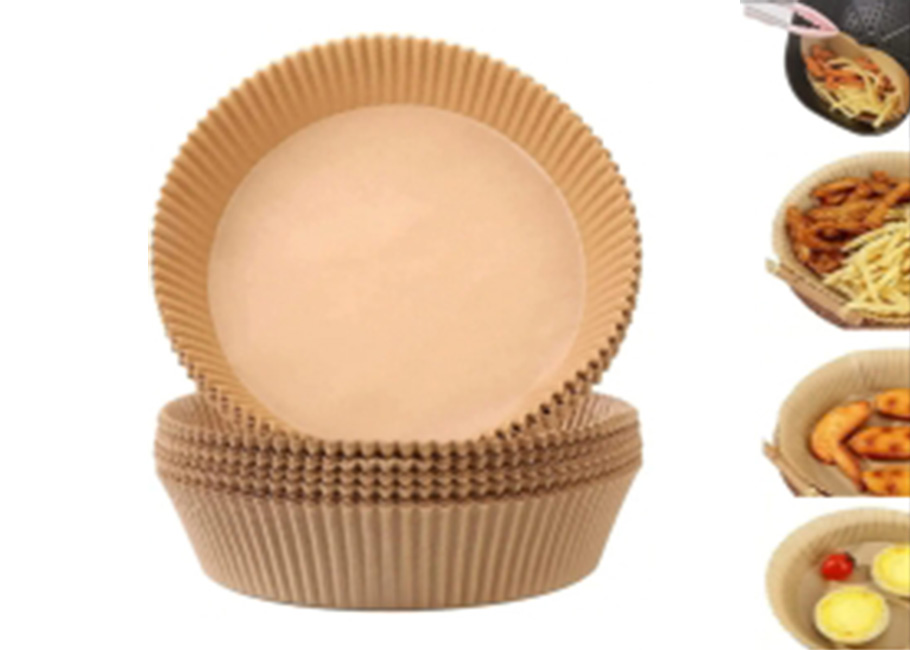
For everyday use, parchment paper and baking paper are often treated as the same product category. People use them to line trays, reduce sticking, and keep food surfaces cleaner during cooking. In practical sales language, many customers do not separate the two terms at all. They simply want a paper that works well with baked foods, fried foods, or hot-air appliances.
From a supplier point of view, this creates both an opportunity and a challenge. The opportunity is that demand is broad. The challenge is that buyers often ask for one term while actually needing a very specific format. A customer may ask for baking paper, but what they really need is a disposable air fryer liner. Another may ask for parchment paper, but what they want is a round pre-cut sheet with better grease resistance and easier handling in daily cooking.
That is why product matching matters more than the name alone. A good supplier should help buyers move from a broad search term to a more suitable product choice.
The biggest difference is not always in the name. It is usually in how the paper is made and where it will be used. In oven baking, flat sheets may be enough. In air fryer use, shape becomes more important because the liner needs to fit the basket more neatly and stay in place under food. In foodservice, buyers may care more about quick replacement, stable batch quality, and packaging efficiency. In retail, appearance, pack format, and brand presentation often carry more weight.
This is where our product connects naturally to the topic. Our Disposable Greaseproof Air Fryer Paper is made for cooking convenience and easier cleanup. It is supplied in round shapes, resists water, moisture, and oil, and is suitable for high-temperature air fryer use. It is also available with custom size options and OEM / ODM service, which makes it more practical for buyers who need more than a general-purpose sheet. A product like this answers a more specific market need than a basic paper sold under a broad category name.
For buyers comparing options, round parchment paper is often the better fit when the end use involves air fryer baskets, quick meal prep, takeaway kitchens, or compact cooking equipment. It reduces trimming work, improves fit, and gives the user a cleaner and more finished experience.
In food paper sourcing, shape is not a small detail. It changes how the product is used and how it is sold. A round liner is easier to place into many air fryer baskets and round food containers. It saves users from cutting larger sheets by hand and helps keep the paper positioned more neatly during cooking. This may sound simple, but it has a direct effect on user experience.
For B-end buyers, this also affects product positioning. A standard flat sheet may cover more uses, but a round liner often gives a clearer selling point. It is easier to describe, easier to pack, and easier to connect to air fryer demand, which continues to grow in many consumer markets. Buyers developing kitchen paper lines often look for products that can be marketed with a clear purpose, and round parchment paper gives them that focus.
This is also one reason OEM and ODM support becomes important. Different countries and different appliance sizes create different diameter needs. Some buyers want a smaller round liner for home kitchen retail packs. Some want larger sizes for restaurant or catering supply. Some need custom packaging for supermarket channels, while others need bulk cartons for wholesale distribution. A supplier that can adjust product size and packing structure has a clear advantage in these cases.
For importers and distributors, the main question is not only whether parchment paper and baking paper mean the same thing. The deeper question is whether the product behind the name can hold up in real sales and repeat orders. Buyers usually care about consistency first. They want the sample and the production batch to behave the same way. They also care about grease resistance, clean cutting, reliable thickness, and practical packaging.
Another common concern is market fit. Some products look acceptable on paper, but they are not easy to sell because the shape, size, or pack design does not match the buying habits of the target market. That is why many buyers prefer working with a supplier that can support custom requirements instead of offering only one fixed specification.
Communication is another pain point. In food-contact paper, buyers often need quick answers on dimensions, packaging details, OEM printing, and order follow-up. Delays at this stage can slow down private label launches or seasonal promotions. This is where supplier support matters just as much as the paper itself.
General baking paper still has its place, but the market has become more specific. Air fryers have changed how many people cook, and that has created demand for paper formats that are easier to use in smaller, deeper baskets. A round disposable liner solves a practical problem. It keeps the basket cleaner, helps reduce sticking, and makes cleanup faster after cooking.
That practical advantage turns into a sales advantage for buyers. Instead of selling a broad product with many possible uses, they can offer a paper designed for a popular appliance category. The product message becomes clearer. The use case becomes easier to explain. The customer sees the value more quickly.
This is why many buyers now look beyond the generic question of parchment paper versus baking paper. They want to know which paper format suits current consumer habits better. In many cases, round parchment paper created for air fryer use is the more targeted and more marketable option.
A reliable supplier should do more than send a standard catalog. Buyers usually need support with specification matching, custom diameter options, carton packing, and private label plans. They may also need guidance on which format is better for retail packs, foodservice use, or mixed channel distribution.
Long-term cooperation depends on more than price. Stable supply, repeatable quality, and clear OEM / ODM communication are what make a food paper program easier to manage over time. This is especially important when the buyer wants to build a branded line rather than place one trial order.
Our product direction is built around these practical needs. The paper is made for air fryer use, shaped for easier application, and open to customization in ways that help buyers serve different channels more effectively.
So, is parchment paper the same as baking paper? In most cases, yes, the two names are used to describe very similar food paper products. But for serious buyers, the more important question is not the wording. It is whether the product format matches the real use. When the target application is air fryer cooking, a round disposable liner often gives better fit, cleaner handling, and stronger market appeal than a general sheet product.
If you are choosing between formats or planning a food paper line for retail, wholesale, or private label business, feel free to contact us. We can help you review the application, suggest suitable sizes and packaging, and support your sourcing plan with practical OEM and ODM service.