

In most markets, parchment paper and baking paper usually mean the same thing. Both names are commonly used for food-grade paper that helps prevent sticking, resists grease, and makes baking or hot-air cooking easier to manage.
Yes, baking paper can be used in an air fryer, but only when it is used the right way. This is where many buyers and end users get confused. They know baking paper helps reduce sticking and makes cleanup easier, but they are not always sure whether it is safe in a high-heat air fryer basket.
When people search for how to separate lithium from batteries, they are often thinking about recycling, material recovery, or battery dismantling. But in real battery manufacturing and battery safety work, separation starts much earlier than recycling.
You can use duct tape on a package, but that does not always mean it is the right choice. Duct tape is strong and widely available, so many people reach for it when they need a quick fix. But packaging is not just about sealing something shut. In real shipping and industrial use, packaging needs to protect the product, stay stable during transport, and remain easy to handle when it arrives.
This is where Hot Melt Packaging Tape comes into the discussion naturally. In real packaging work, buyers are not simply choosing a tape that sticks. They are choosing a material that can be heated during application, bond firmly after cooling, and stay stable through storage, transport, and daily use. For B-end customers, the real value is not just whether the tape melts. It is whether the tape performs well in the full packaging process.
Double offset paper is a wood pulp based printing and packaging paper known for its clean surface, stable print performance, and broad commercial use. It is often chosen when buyers need paper that can handle clear text, balanced ink absorption, and dependable converting performance in roll form. In practical sourcing, this matters because many buyers are not only looking for paper.
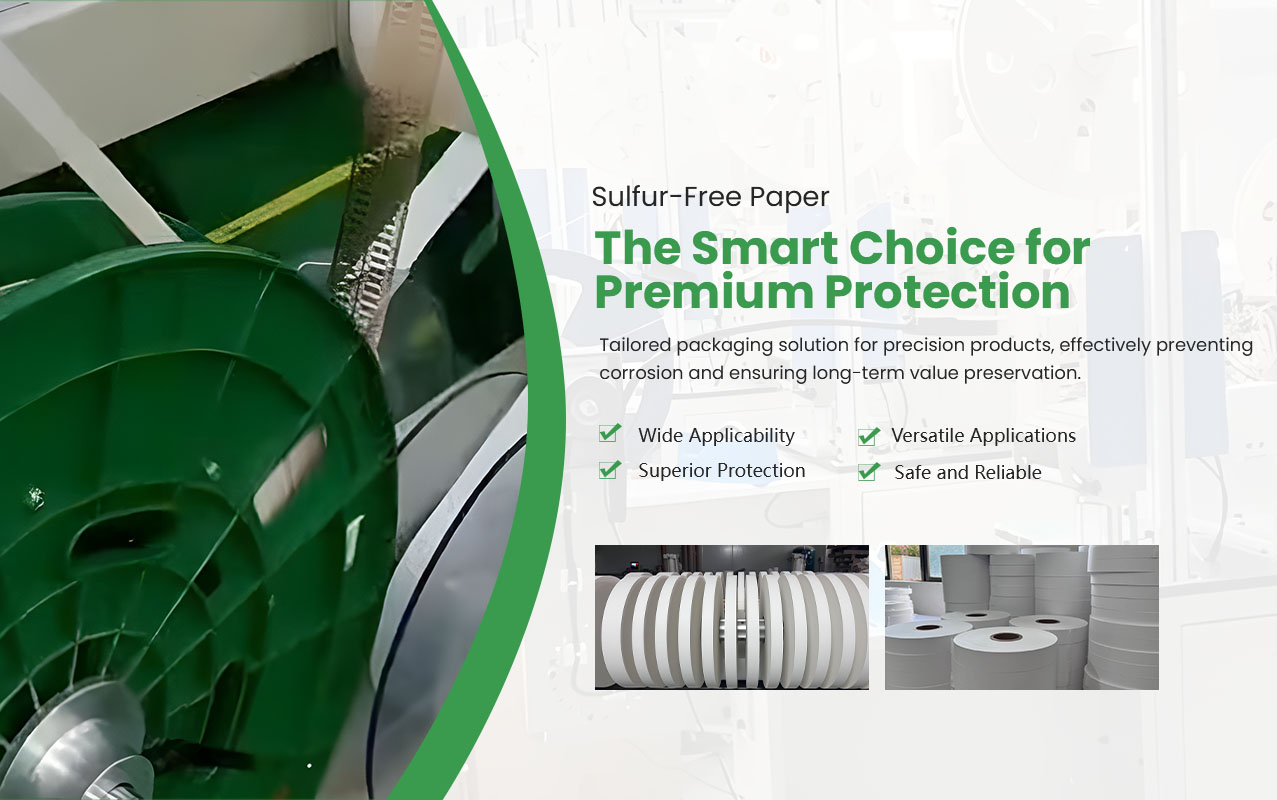
Anti rust paper is a protective packaging material designed to help metal parts resist corrosion during storage, handling, and shipping. In most industrial settings, it is used to wrap or separate metal components so the surface is less exposed to the conditions that cause rust.
A battery separator is easy to overlook because it is thin, hidden, and not the part people usually talk about first. But in a lithium-ion battery, it is one of the components that decides whether the cell can work safely and consistently. A separator sits between the cathode and anode, keeping them apart while still allowing lithium ions to move through the electrolyte during charging and discharging. That is exactly why the Li-ion battery separator matters so much in real battery design. Without it, the two electrodes could touch directly, causing an internal short circuit instead of controlled energy flow.
A properly rolled wrap helps keep goods together, reduces movement, improves handling, and adds a cleaner outer layer around cartons, pallets, components, or packaged items. This is why wrapping film is widely used in logistics, retail packaging, electronics, construction materials, and industrial transport.
If the application only involves general wire wrapping at normal temperatures, standard electrical tape may be enough. But if the environment includes high heat, sensitive electronics, or continuous thermal stress, a more specialized heat-resistant tape is usually the better choice.
Some buyers only need a small roll for general use. Others need a stable paper roll for industrial marking, packaging lines, logistics identification, or converting work. That is why choosing a supplier is often more important than choosing a general product category. A reliable source should be able to provide the correct width, thickness, roll format, and production support rather than only offering a standard paper option with limited flexibility.
Greaseproof paper is a food packaging paper made to resist oil and grease. Its main job is simple. It helps stop oily food from soaking through the paper too quickly, so the outside stays cleaner and easier to handle. That is why it is widely used for burgers, sandwiches, pastries, fried snacks, and other ready-to-eat foods that release oil during packing, carrying, or eating.