xinyuanshun@xyspaper.com
+86-13316621858
+86-0750-3766098

Paper packaging comes in several forms, including kraft wrapping paper, corrugated board, folding cartons, laminated paper, food packaging paper, and specialty protective papers. Each type serves different requirements for strength, protection, presentation, and processing.
Paper packaging can be classified by its material, structure, and intended application.
For manufacturers and packaging distributors, understanding these differences helps identify suitable materials for specific products and production processes.
The following categories cover common paper packaging formats and specialty paper materials used across industrial and commercial markets.
Kraft paper is widely used for wrapping, bundling, and protective packaging.
It is available in different colors, thicknesses, and roll formats.
Common applications include:
Industrial product wrapping.
Shipping protection.
Retail wrapping.
Protective interleaving.
General-purpose packaging.
White kraft and brown kraft paper are commonly selected according to appearance and application requirements.
For packaging converters, roll width and paper strength are important purchasing considerations.
Corrugated board consists of fluted paper between flat liner sheets.
The fluted structure provides cushioning and rigidity, making it suitable for transportation and shipping cartons.
Common applications include:
E-commerce shipping boxes.
Industrial cartons.
Electronic product packaging.
Warehouse transportation packaging.
Protective export cartons.
Corrugated board is generally selected according to flute structure, board thickness, and required compression strength.
Folding cartons are typically made from paperboard and converted into boxes or sleeves.
They are commonly used for retail products that require printed information and an organized presentation.
Applications include:
Cosmetics packaging.
Pharmaceutical cartons.
Consumer electronics packaging.
Food product boxes.
Gift packaging.
Surface smoothness, printability, stiffness, and folding performance are important material considerations.
Laminated paper combines a paper substrate with plastic film or other functional layers.
The additional layer can improve selected barrier and surface properties.
Common applications include:
Moisture-resistant packaging.
Food packaging.
Industrial protective wrapping.
Specialty packaging materials.
Composite paper products.
Our PE laminated paper range includes white, brown, and yellow paper roll options.
Buyers should confirm the coating structure and barrier requirements before ordering, especially when the material is intended for direct food contact.
Food packaging paper is designed for applications involving food preparation, wrapping, storage, or serving.
Common types include:
Greaseproof Paper
Used for wrapping oily foods and reducing grease transfer.
Wax Paper
Used for selected food wrapping and separation applications.
Parchment Paper
Commonly used in baking and food preparation, with silicone-treated versions designed for suitable high-temperature applications.
Food Wrapping Paper
Used for wrapping sandwiches, burgers, bakery products, and other food items.
Air Fryer Paper
Designed for use in air fryers, subject to the product's temperature and usage instructions.
Straw Wrapping Paper
Used to individually wrap drinking straws for hygienic handling and distribution.
The required food-contact documentation should be confirmed according to the destination market and actual application.
Medical wrapping paper is used in packaging systems for medical instruments and supplies.
Its suitability depends on the intended sterilization method, packaging system, and relevant performance requirements.
Important considerations include:
Paper strength.
Tear resistance.
Fiber cleanliness.
Barrier performance.
Sterilization compatibility.
Storage conditions.
Medical wrapping paper should not be considered suitable for every sterilization method without product-specific validation.
Some paper materials are used as functional layers during manufacturing and packaging conversion.
Examples include:
Provides a removable backing for pressure-sensitive adhesive products such as labels and stickers.
Acid-Free Kraft Paper
Used for selected protective and storage applications where acidic substances need to be avoided.
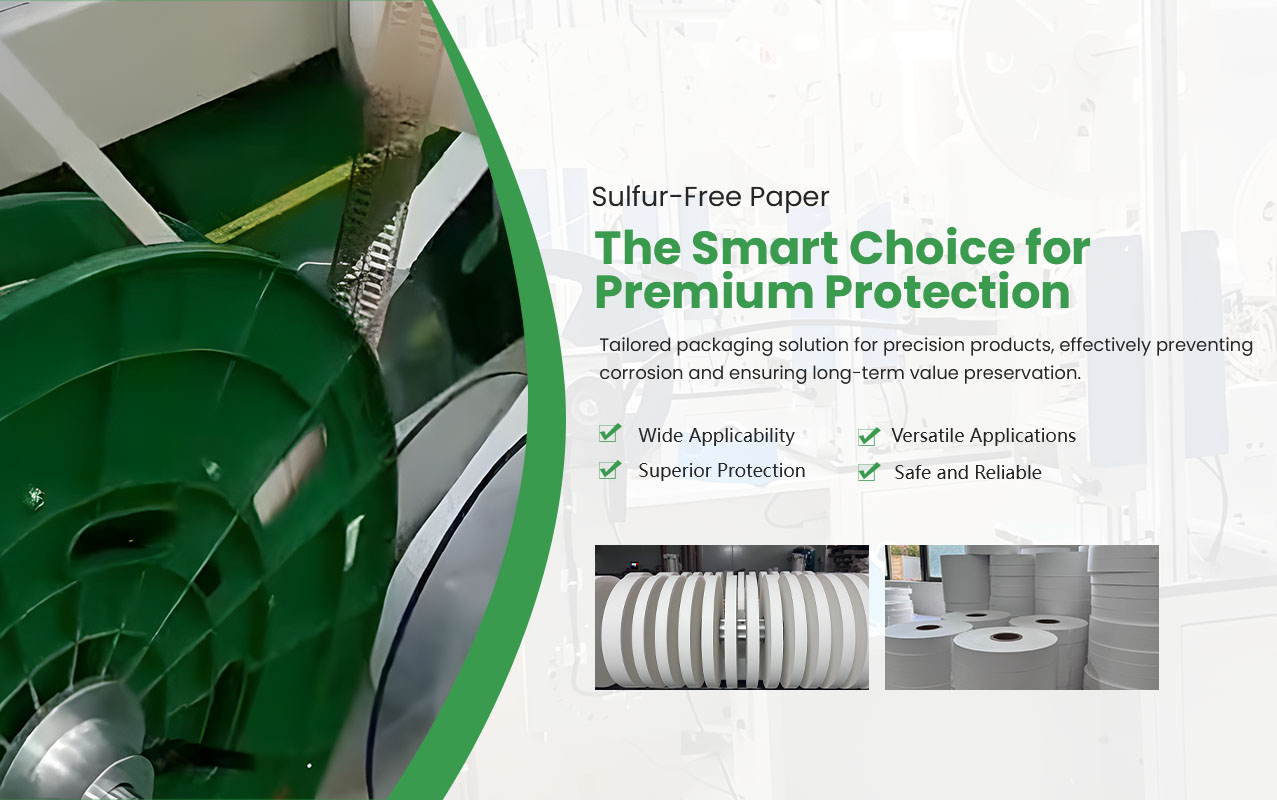
Sulfur-Free Paper
Used in applications where sulfur contamination or reaction with sensitive materials must be controlled.
Rust Prevention Paper
Used to protect selected metal products during storage and transportation.
These materials serve specialized purposes beyond conventional wrapping and carton packaging.
| Paper Packaging Type | Main Application | Important Selection Factor |
|---|---|---|
| Kraft Paper | Wrapping and protection | Strength and flexibility |
| Corrugated Board | Shipping cartons | Compression and cushioning |
| Folding Carton Board | Retail packaging | Stiffness and printability |
| Laminated Paper | Moisture-resistant packaging | Coating and barrier performance |
| Food Paper | Food wrapping and preparation | Food-contact suitability |
| Medical Wrapping Paper | Medical packaging | Sterilization compatibility |
| Release Liner Paper | Labels and adhesive products | Release performance |
The selection process should begin with the final application.
A shipping carton requires structural protection, while a food wrapping material may need grease resistance and food-contact suitability.
Packaging converters should evaluate:
Product weight and dimensions.
Required mechanical strength.
Moisture and grease exposure.
Printing and surface requirements.
Processing equipment compatibility.
Storage and transportation conditions.
Applicable regulatory requirements.
One common sourcing mistake is choosing a paper grade based on GSM alone.
Two papers with the same basis weight may behave differently because of fiber composition, density, coating, and surface treatment.
Testing the actual material in the intended packaging process provides a more reliable basis for purchasing decisions.
Our factory supplies and processes different paper and film materials for packaging, industrial protection, food applications, and specialty converting.
Our product portfolio includes kraft paper, laminated paper rolls, medical wrapping paper, food wrapping paper, offset paper, cardboard paper, release liner paper, and related materials.
With operations established in 2008, we support buyers who need consistent material specifications, customized roll formats, and coordinated supply arrangements.
Our team can discuss paper width, thickness, GSM, color, coating options, and packaging requirements according to the intended application.
A well-planned paper packaging range should cover the actual requirements of different customers instead of relying on one paper grade for every purpose.
Our team welcomes inquiries from packaging manufacturers, printing companies, paper distributors, and wholesale buyers.
Build Your Paper Material Sourcing Plan With Us
Send your target applications, material preferences, required specifications, and estimated order volume to discuss available paper products and customized supply options.