xinyuanshun@xyspaper.com
+86-13316621858
+86-0750-3766098

Kraft Paper is a strong paper material made using the kraft pulping process. Its strength, flexibility, and availability in different grades make it useful for industrial wrapping, protective packaging, paper products, and selected converting applications.
Kraft paper is produced from wood-based pulp using a chemical pulping process that separates fibers while retaining much of their strength.
The resulting fibers can form paper with useful tensile and tear resistance, depending on the pulp composition, refining, basis weight, and papermaking conditions.
Kraft paper is often associated with its natural brown appearance, but color alone does not define the material. Kraft paper can also be produced in white and other shades, and it may receive additional treatments to meet specific requirements.
For industrial buyers, the more important questions concern the paper's strength, thickness, surface characteristics, moisture response, and compatibility with the intended packaging process.
XINYUANSHUN's kraft paper product range includes white and Yellow Kraft Paper products for different wrapping and industrial uses.
Kraft paper combines practical handling with useful mechanical properties. It can be supplied in rolls or sheets and converted into wrapping materials, protective layers, paper tapes, and other packaging formats.
Its applications extend beyond shipping boxes.
Manufacturers may use kraft paper to separate metal parts, wrap components, protect finished surfaces, or provide an outer layer during storage and transport. Paper converters may process it into narrower rolls, bags, or other products according to their equipment and customers' requirements.
For example, White Kraft Wrapping Paper Roll is described for wrapping and protecting industrial products, while Yellow Kraft Paper is listed for applications including packaging and the protection of precision parts.
The right grade depends on the job. Paper used to separate metal sheets may need different surface and strength characteristics from paper used to wrap consumer products.
Kraft paper can support packaging strategies that use fiber-based materials, but sustainability depends on more than the fact that the product is paper.
Several factors need to be considered:
Fiber sourcing: Buyers may wish to verify the source of the pulp and whether relevant responsible-sourcing documentation is available.
Recycled content: Some paper products contain recycled fiber, while others rely primarily on virgin pulp. The appropriate choice depends on performance and sourcing requirements.
Recyclability: Uncoated paper is generally easier to recycle in established paper recovery systems than paper containing certain laminates, adhesives, or mixed materials. Actual acceptance depends on local recycling facilities.
Material efficiency: A paper that provides adequate protection with less material may reduce packaging consumption, provided the package still protects the product during handling and transport.
End-of-life conditions: Biodegradability and compostability depend on the material composition and disposal environment. Coatings, adhesives, inks, and contamination may affect the outcome.
A brown appearance does not prove that a paper product is recyclable, compostable, or responsibly sourced. Buyers making environmental claims should verify the product's composition and relevant documentation.
Kraft paper is available in several forms, each serving different requirements.
| Type | Typical Use | Key Selection Considerations |
|---|---|---|
| Brown or yellow kraft paper | General wrapping and industrial protection | Strength, thickness, and handling performance |
| White kraft paper | Clean-looking wrapping and surface protection | Surface condition, appearance, and dimensional consistency |
| kraft paper rolls | Continuous wrapping or converting operations | Roll width, diameter, and compatibility with equipment |
| Specialty kraft paper | Applications requiring particular chemical or physical properties | Relevant specification and intended contact conditions |
| Laminated paper | Applications requiring additional barrier or surface properties | Coating structure, adhesion, and end-of-life requirements |
| Kraft-based strapping products | Bundling and packaging applications | Tensile performance, width, thickness, and fastening method |
The term kraft paper covers a broad group of products. Buyers should specify the intended application instead of treating every kraft paper grade as interchangeable.
The main difference lies in the intended performance and the paper's construction.
Kraft paper is commonly selected for its strength and resistance to tearing during wrapping and handling. Other packaging papers may prioritize printability, smoothness, appearance, or specialized surface properties.
Neither category is automatically superior for every application.
A printed retail package may need a surface optimized for graphics, while an industrial wrapping application may prioritize strength and protection against abrasion.
The useful comparison is between the properties required for the actual job and the specifications of the proposed paper.
For factories that handle precision components, paper selection should also account for possible surface transfer, chemical compatibility, moisture exposure, and the risk of scratching or contamination.
Standard kraft paper is suitable for many wrapping applications, but some products need more specific properties.
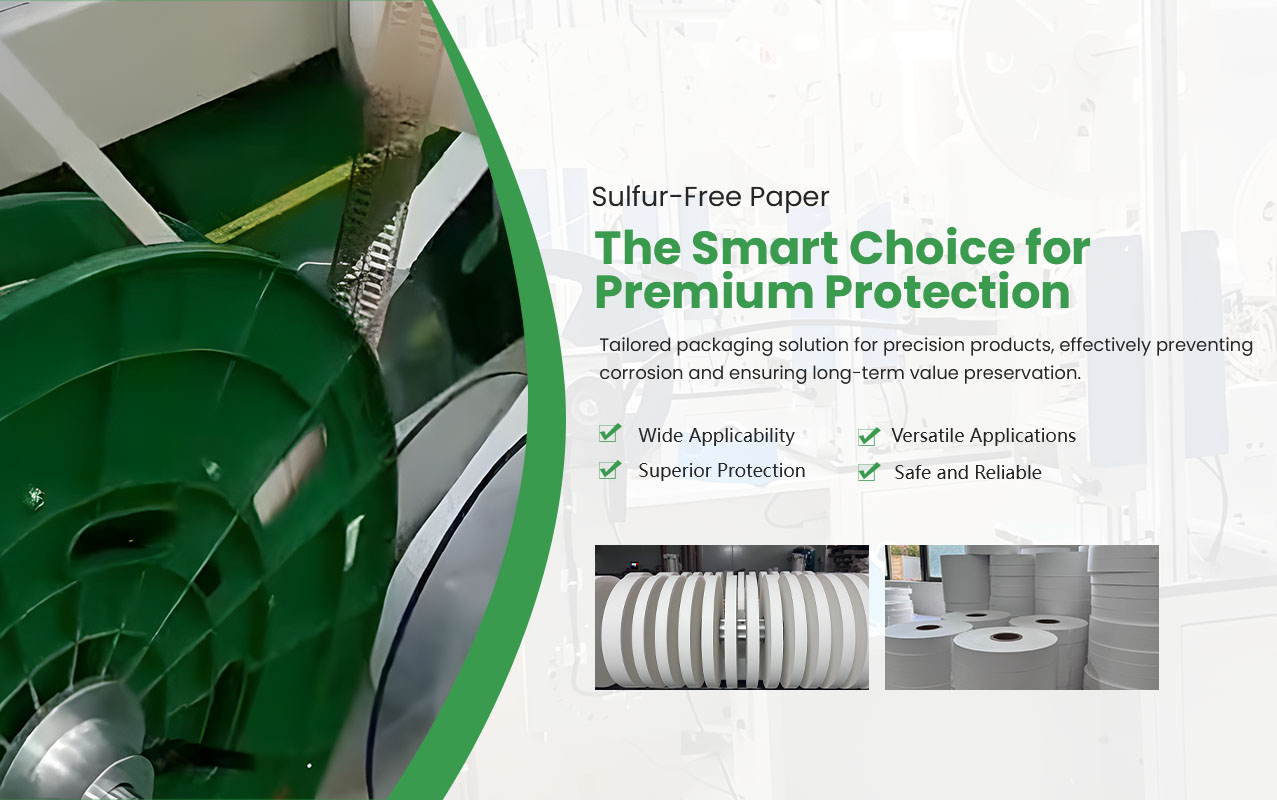
Acid-free paper may be considered when chemical stability and the protection of sensitive materials are important. Sulfur-free paper can be relevant where sulfur-related reactions or surface contamination need to be controlled.
Medical packaging uses a different set of requirements. Paper intended for sterilization packaging should be evaluated for the applicable packaging system and sterilization process, not chosen solely because it is made from kraft pulp.
XINYUANSHUN offers separate product categories for medical kraft paper and other specialty papers. The correct product should be selected according to its documented suitability for the intended application.
For industrial users, the paper's format affects production efficiency.
A roll that is too wide for the equipment may require additional slitting. A roll that is too narrow may increase the number of changes required during production. Thickness variation can also affect feeding, folding, cutting, and wrapping performance.
Before ordering, specify the required width, thickness or basis weight, roll diameter, core dimensions, and any relevant tolerance.
The supplier should confirm which dimensions are available as standard and which can be customized.
For repeat orders, keeping the same approved specification helps reduce adjustments on the production line and makes incoming inspection more straightforward.
A sample should be checked under the conditions in which the paper will actually be used.
For wrapping applications, inspect tear resistance, folding behavior, surface condition, and the way the paper conforms to the product. For automated converting, check feeding stability, thickness consistency, and roll winding.
If the paper will contact food, medical products, or sensitive industrial surfaces, additional requirements may apply. Buyers should obtain the relevant declarations, test reports, or compliance documentation rather than infer suitability from the product name.
Packaging should also be reviewed. Moisture exposure, crushed roll edges, and poor storage conditions can affect paper quality before it reaches the production line.
Choosing kraft paper is a material decision that affects protection, processing, and packaging performance. The most useful specification starts with the product being wrapped and the conditions it will face during storage, handling, and transport.
XINYUANSHUN supplies kraft paper and related packaging materials for different industrial applications. Provide the intended use, paper type, width, thickness, roll format, estimated quantity, and any special requirements through the contact page to discuss suitable options.