xinyuanshun@xyspaper.com
+86-13316621858
+86-0750-3766098

Paper straws are often promoted as a lower-plastic alternative to traditional plastic straws, but the wrapper matters just as much as the straw itself. In many foodservice settings, paper straws are still wrapped in plastic film because plastic is cheap, moisture-resistant, and easy to run on high-speed wrapping lines. At the same time, a growing number of brands, hotels, cafés, and beverage chains are moving toward paper-based straw wrappers to reduce mixed-material waste and improve the overall sustainability story of the product. The short answer is that paper straws can be wrapped in plastic, but they do not have to be. The choice depends on hygiene requirements, storage conditions, and the wrapper material’s barrier performance.
XINYUANSHUN provides Food Safety Straw Wrapping Paper designed for hygienic single-piece packaging while keeping the packaging structure paper-based. You can view our product here: Food Safety Straw Wrapping Paper
Plastic wrappers are still common because they solve several practical issues in beverage service and distribution.
Key reasons include:
Moisture barrier performance
Paper straws can soften when exposed to humidity. Plastic film creates a strong moisture barrier that protects straws during long storage and transport.
High-speed packaging compatibility
Many wrapping machines were originally designed for plastic film. Converting to paper wrapper materials may require process adjustment, temperature tuning, and material matching.
Cost and supply stability
Plastic film is widely available and often cheaper per unit, especially at high volumes.
Visual clarity and printing flexibility
Transparent film can show the straw inside, and plastic can carry high-contrast printing with consistent results.
These factors explain why plastic-wrapped paper straws still exist, even in regions where single-use plastic awareness is high.
When the straw is paper but the wrapper is plastic, the packaging becomes mixed-material and can weaken sustainability messaging. Many projects now prioritize a fully paper-based presentation.
Common drivers for choosing paper straw wrapping:
Single-material packaging appearance
Paper straw plus paper wrapper creates a consistent paper-based look and reduces mixed-material waste in customer perception.
Better alignment with plastic reduction policies
Some markets and customer procurement standards prefer paper packaging where feasible.
Branding and tactile experience
Paper wrappers feel more natural for cafés and hospitality brands, especially in premium settings.
Disposal simplicity in practice
In many real-world situations, customers discard the wrapper and straw together. Using paper for both reduces mixed-material disposal complexity.
For hospitality and foodservice procurement, wrapper choice is often a brand decision as much as a technical decision.
Straw wrappers can be produced from several material families. Each has different performance behavior in humidity, heat sealing, and storage.
| Wrapper Material | Main Strength | Main Limitation | Typical Use |
|---|---|---|---|
| Plastic film | Strong moisture barrier, high-speed wrapping | Mixed-material packaging | High-humidity storage, long distribution routes |
| Paper wrapping | Paper-based packaging image, printable | Needs barrier design and process control | Cafés, hospitality, eco-oriented programs |
| Coated paper | Improved moisture resistance over plain paper | Coating selection affects recyclability | Mid-range barrier needs |
| Specialty barrier paper | Designed for sealing and humidity control | Requires correct machine setup | Programs targeting paper-based packaging |
A paper-based wrapper must still meet hygiene and sealing requirements. The best wrapper is not the one with the most claims, but the one that performs consistently on the customer’s packaging line.
A straw wrapper must protect the straw from contamination while remaining easy to open. For paper wrappers, this depends on surface treatment, basis weight selection, and sealing performance.
Key wrapper performance requirements include:
Food-contact safety and cleanliness
The paper should be produced for food-contact use and controlled hygiene conditions.
Sealability for single-piece wrapping
The wrapper must run on wrapping equipment and form reliable seals so the straw stays protected.
Moisture management in storage
Paper wrappers can be engineered to resist short-term humidity exposure and reduce softening risk when stored correctly.
Printability for branding and compliance information
Many buyers need printed logos, instructions, or batch information without ink rub-off.
Tear behavior for easy opening
The wrapper should open cleanly without shredding into small fragments, especially in fast-paced beverage service.
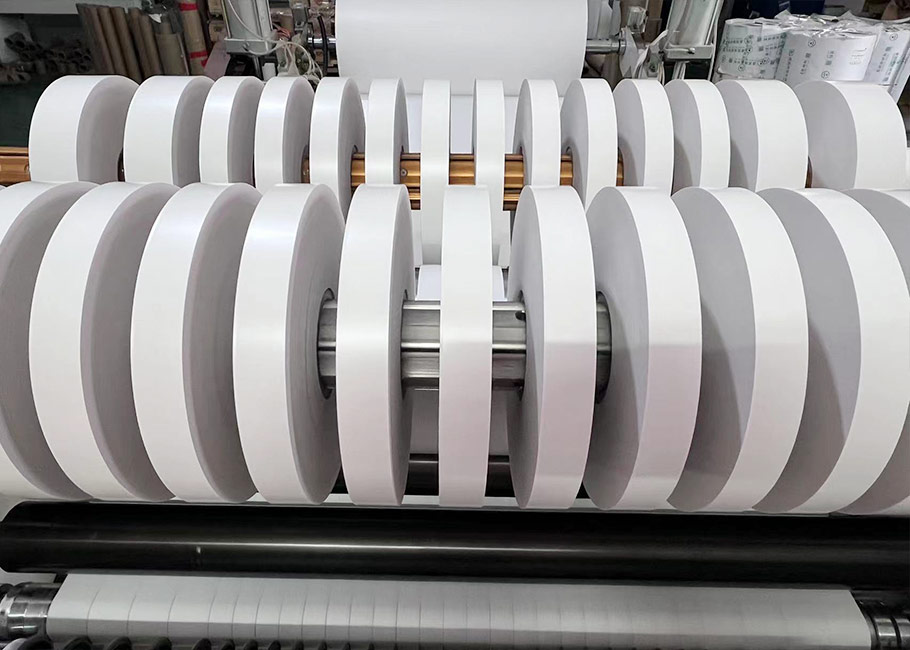
XINYUANSHUN food safety straw wrapping paper is developed to support hygienic wrapping programs while keeping the wrapper paper-based. You can review the product here: Food Safety Straw Wrapping Paper
Even when a buyer prefers paper-based packaging, there are cases where plastic wrapping is still selected due to the operating environment.
Typical scenarios include:
Extremely humid storage conditions without climate control
Very long distribution routes where moisture exposure risk is high
Legacy wrapping lines that cannot run paper wrappers without modification
Programs where transparency is required for product visibility
In these cases, the decision is usually operational. The best approach is to evaluate the total system: straw material, wrapper material, storage conditions, and line capability.
If you are building a paper straw program for retail or foodservice, wrapper selection should follow a structured checklist to reduce field complaints.
Selection checklist:
Define the storage and distribution environment
Confirm humidity exposure risk, storage time, and whether cartons are stored in open areas.
Confirm the wrapping machine method
Identify the sealing approach, speed range, and wrapper roll specifications.
Decide on paper-only packaging goal
If the goal is paper-based presentation, focus on paper wrapping paper options designed for sealing and hygiene.
Match basis weight and strength to the line speed
Too thin can tear at speed. Too thick can reduce folding accuracy and increase cost.
Validate sealing consistency and openability
Run samples at target speed and test seal integrity, contamination protection, and consumer opening behavior.
For project buyers and wholesale programs, this process reduces the risk of rework and avoids late-stage packaging changes.
Paper straw wrapper performance depends on storage control as much as paper design.
Best practices:
Store wrapper rolls in a dry area away from direct moisture exposure
Keep packaging cartons sealed until use to reduce humidity absorption
Avoid storing wrappers near strong odors because paper can absorb ambient odors
Use first-in-first-out rotation to reduce long-term humidity drift
These steps help maintain wrapping quality and reduce the risk of wrapper softening or seal instability.
Paper straws can be wrapped in plastic, and many still are because plastic film offers strong moisture resistance and high-speed packaging compatibility. However, paper straws do not have to be wrapped in plastic. Many brands choose paper-based straw wrapping to reduce mixed-material packaging and align the wrapper with the straw’s sustainability positioning. The right choice depends on hygiene requirements, humidity exposure, storage duration, and wrapping line capability. A well-designed paper straw wrapping paper can provide hygienic protection, stable sealing performance, and a consistent paper-based presentation.
If you are planning a paper straw program and want to replace plastic wrappers with paper-based wrapping, you can consult XINYUANSHUN for guidance. Share your straw size, wrapper format, wrapping machine type, target storage humidity conditions, and printing needs, and we will recommend suitable food safety straw wrapping paper options and provide practical support for material selection and line setup.