

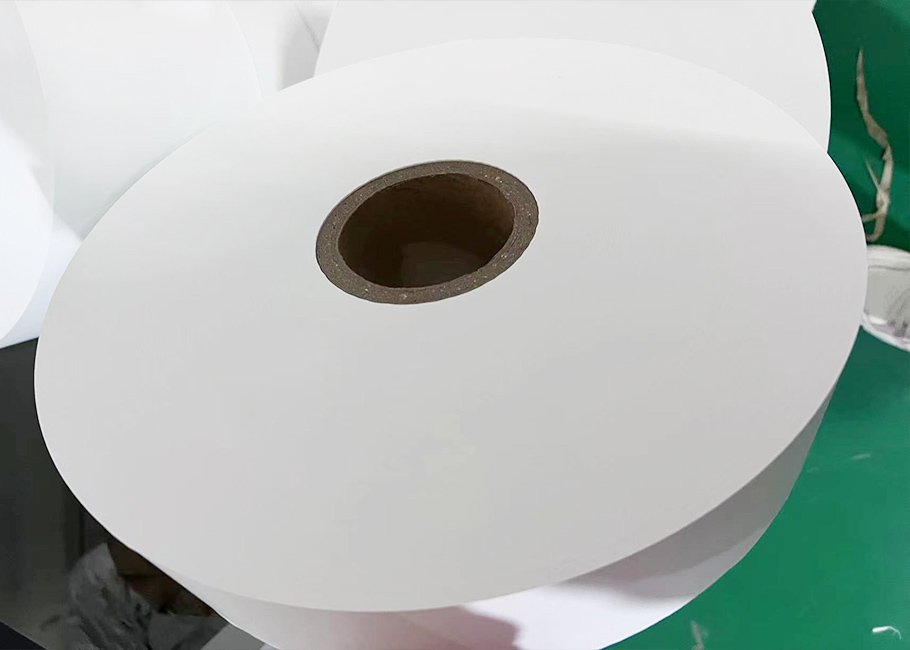
Food Safety Straw Wrapping Paper
- Product Information
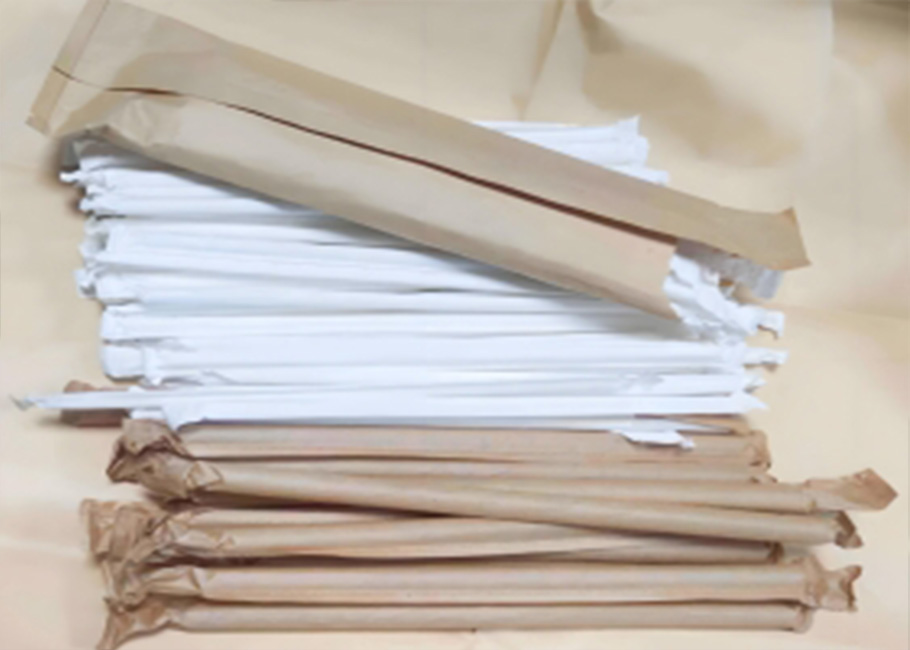
Straw wrapping paper is a food-grade packaging paper specifically designed for individually wrapping single straws. Its primary purpose is to provide physical protection and hygienic isolation for straws during transportation, storage, and distribution. Unlike ordinary packaging paper, this product requires excellent mechanical strength, stable moisture resistance, and high compatibility with automatic packaging equipment, all at an extremely thin thickness. Its paper structure is typically processed with directional treatment to ensure smooth feeding, prevent linting and tearing during high-speed packaging, thus meeting the continuous production needs of large-scale food packaging.

Straw Wrapping Paper Parameters:
| Material: | Paper And PE |
| Size: | Customizable Width And Thickness According To Customer Requirements |
| OEM: | OEM/ODM Available |
| Packaging: | Carton |
Advantages
1 、High Machine Speed
The web structure delivers a machine-direction tensile strength over 4.5 Kilo-Newtons per meter. This mechanical resistance allows packaging machinery to run at peak speeds of up to 600 pieces per minute without web breaks. For high-volume manufacturers, this strength ensures continuous operation, cutting material waste by 25% and lowering machine calibration labor expenses.
2 、Instant Glue Bonding
The paper substrate features a controlled air permeability rating calibrated to 15 seconds per 100 milliliters. This specialized density allows water-based food-grade glues to penetrate and bond with the cellulose fibers within milliseconds. This rapid curing prevents unsealed paper seams, eliminates adhesive buildup on sealing jaws, and reduces manual maintenance downtime.
Features
3 、Virgin Long Fiber
The paper matrix is fabricated exclusively from 100% unbleached long-fiber conifer pulp that undergoes mechanical refining without synthetic chemical binders. This material base creates a tight internal mesh structure with an ultra-consistent thickness profile showing a variance threshold below 2%. This uniformity ensures even tension distribution across the entire roll width during rapid mechanical unwinding.
4 、Calibrated Surface Friction
The exterior surfaces undergo a light calendering process during the drying phase to establish a stable static friction coefficient of 0.32. This specific texture profile balances smooth machine feeding with adequate grip, allowing feed rollers to grab the paper accurately without slippage. It prevents the paper web from wrinkling or wandering off course inside narrow machine tracking slots.
5 、Clean Slit Edges
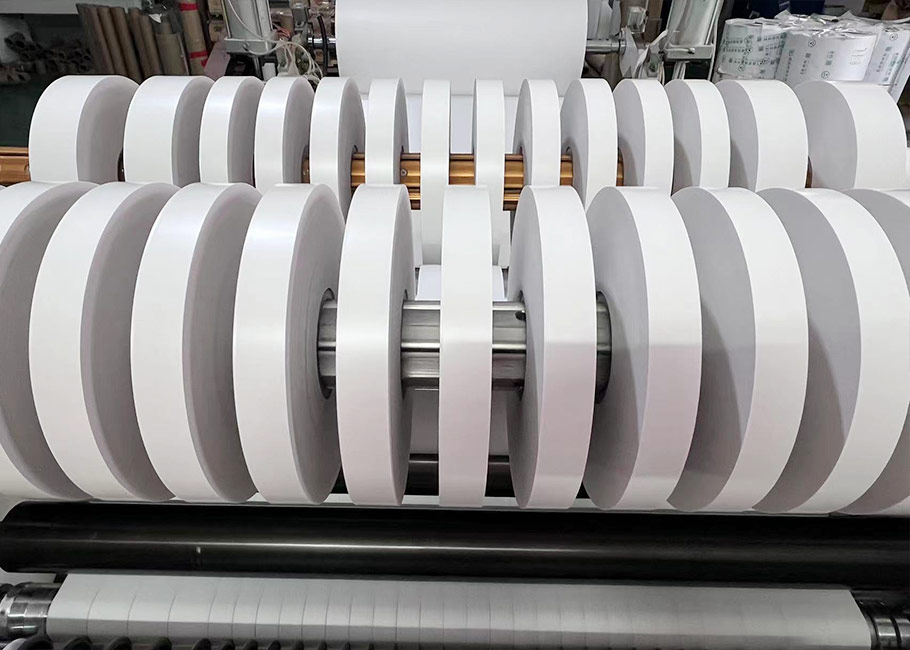
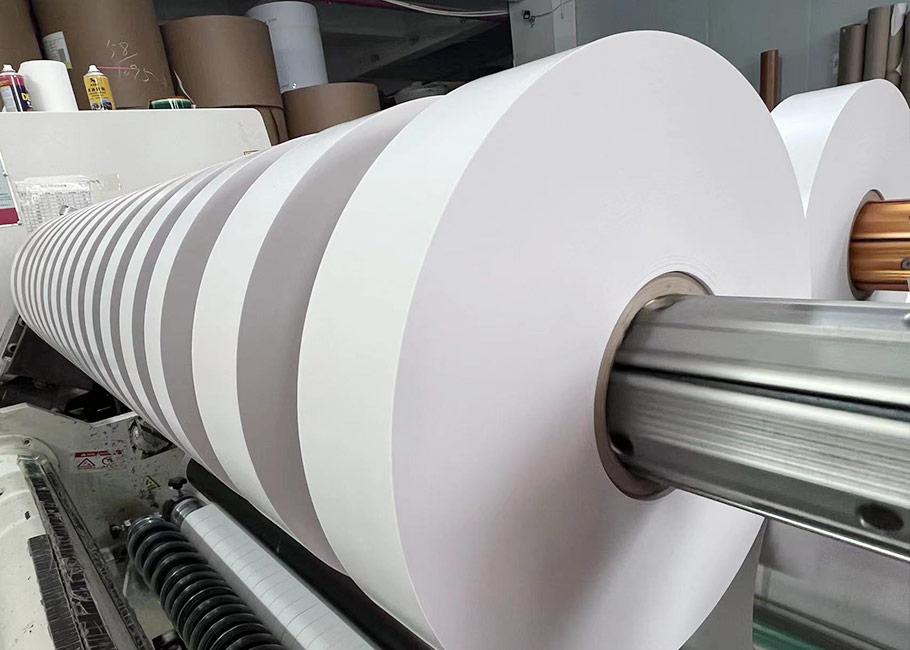
Every production roll undergoes mechanical circular blade slitting on web lines equipped with specialized anti-dust knife profiles. This clean cutting setup keeps the slit edges perfectly smooth and free of loose microscopic cellulose fragments or paper fuzz. This clean edge profile stops static-charged paper dust from accumulating on electronic tracking sensors or clogging precision gear drives.
Application
1 、Fast Food Franchises
In high-volume quick-service drive-thrus, this Straw wrapping paper provides an hygienic protective barrier that keeps straws free from touch contamination. The paper retains its structural integrity against kitchen steam and airborne grease, ensuring wrapped utensils stay clean on open counters while helping properties pass strict municipal sanitation audits.
2 、Airline Catering
Hubs International aviation catering facilities deploy these wrapped straws within pre-packaged passenger utensil kits to streamline tray assembly. The light weight of the paper reduces overall cargo weight metrics across fleet shipments, while its high tear resistance keeps straws from piercing the wrapper during tight galley cart storage.
3 、Hospitality Supply Chains
Premium international resort complexes distribute these paper-wrapped straws across beachfront lounges and in-room dining services to meet eco-friendly goals. The plastic-free composition satisfies municipal bans on single-use plastics, allowing property directors to maintain a clean luxury look even under high-humidity tropical conditions without visible packaging degradation.
4 、Beverage Packing
Plants Industrial juice box manufacturers install these high-strength paper rolls onto automated high-speed straw-applicator lines that glue wrapped straws onto carton exteriors. The uniform paper thickness ensures that automated gluing nozzles apply hot-melt adhesive evenly without burning through the wrapper or damaging the internal straw.
5 、School District Cafeterias
Large-scale educational dining facilities utilize these safely wrapped straws within high-volume student meal lines to maintain strict health standards. The non-toxic material is certified free of heavy metals and allergens, making it safe for children. The durable outer wrap resists rough handling during bulk storage, reducing regional inventory waste.
Factory Supply Ability
Our paper refinery operates three high-speed fourdrinier paper machines that yield a stable monthly supply capacity of 3,500 metric tons of specialty food wrapping paper. The manufacturing workshop complies with ISO 22000 food safety conditions, using inline web-inspection scanners that monitor 100% of the moving web to eliminate pinholes or thickness defects. Backed by a strategic 8,000-ton wood pulp reserve, we secure a strict 15-day production lead time for standard wholesale container orders, ensuring absolute inventory predictability for our international B2B network.
FAQ :
Q: What specific chemical testing certifications does this paper material satisfy to ensure it is safe for direct food and lip contact?
A: Our wrapping paper undergoes independent laboratory testing to secure full certification under US FDA Title 21 CFR 176.170 and European Union Regulation 1935/2004 compliance frameworks. The raw wood pulp is processed without any elemental chlorine, ensuring zero trace presence of dioxins or heavy metals. The finished paper emits no chemical odors or volatile organic compounds, making it entirely safe for drinking accessory packaging in all regulatory zones.
Q: How does this paper behave when exposed to moisture condensation on the exterior of cold beverage cups during high-speed packing?
A: The paper matrix incorporates a food-grade internal sizing agent that provides temporary wet-strength properties, allowing the paper to resist water absorption from surface condensation. It will not become soggy, rip, or decompose instantly when touching a damp cup rim or when stored inside cold delivery trucks. This moisture resistance ensures that the protective wrapper stays intact until the end consumer opens it.
Q: Can this wrapping paper roll be run smoothly on European and American packaging machines that require narrow width adjustments down to 25mm?
A: Yes, our precision slitting bay utilizes computerized web-guiding knife blocks that can slice individual master rolls down to custom narrow widths of 25mm with a cutting tolerance within 0.1mm. The high machine-direction tensile strength prevents the narrow paper ribbon from snapping under high mechanical pull tension. The rolls are wound on heavy-walled 76mm cardboard cores that fit standard mechanical expansion shafts without slipping.
Q: What precise shelf-life parameters must warehouse managers follow to prevent the paper from yellowing or losing its tensile strength during storage?
A: To preserve the maximum 4.5 Kilo-Newtons per meter tensile performance, the paper rolls should be stored in their original moisture-proof plastic pallet wrapping inside a dry warehouse away from direct sunlight. The storage area should maintain an ambient temperature range between 15 and 30 degrees Celsius with a relative humidity level between 40% and 65%. Under these standard storage conditions, the long-fiber virgin wood pulp avoids moisture degradation and yellowing for up to 24 months.