xinyuanshun@xyspaper.com
+86-13316621858
+86-0750-3766098

Paper release liners are widely used for general pressure-sensitive labels because they offer useful stiffness, printability, and established converting performance. Film release liners can provide greater dimensional consistency, tear resistance, smoothness, and transparency. Neither option is universally better for labels; the correct choice depends on face material, adhesive, die-cutting method, dispensing speed, label shape, and end-use conditions.
For a standard paper label, glassine Release Paper may be a practical option. Thin film labels, clear labels, and applications requiring precise die-cutting may benefit from a compatible film liner.
Paper release liners use a treated paper base and a controlled release coating. Glassine is frequently selected because its dense, smooth structure supports coating and high-speed converting.
Paper liners can offer:
Good handling stiffness
Reliable web feeding
Compatibility with common label processes
Printable reverse surfaces where specified
Established availability in several weights and colors
Suitable performance for many general-purpose labels
The limitations are connected to the natural behavior of paper. Humidity can change dimensions or flatness, and paper has lower tear resistance than many film substrates. Very intricate die-cutting may also require careful control to avoid cutting into or through the liner.
Film liners are made from polymer substrates such as PET or other application-specific materials. Their consistent caliper and high strength can support thin adhesive constructions and demanding converting.
Film may be preferred for:
Clear-on-clear labels
Small or complex label shapes
High-speed dispensing
Applications requiring a thin liner
Moist or humid environments
Optical inspection and registration
Adhesive products requiring strong liner integrity
Film is not automatically the premium answer. It may cost more, generate static, require different web-tension settings, or create different waste-management requirements.
A release liner does not operate independently. It supports a face material and adhesive as part of a laminate.
Paper faces, plastic films, foils, thermal papers, and specialty label materials place different demands on the liner. Permanent, removable, freezer, high-tack, and repositionable adhesives also interact differently with the release coating.
When evaluating a new liner, run it through the actual process:
Lamination
Printing
Die-cutting
Matrix stripping
Slitting
Rewinding
Storage
Automatic or manual dispensing
A hand-peel evaluation cannot reveal every converting issue.
During die-cutting, the tool must cut the face material and adhesive without excessively damaging the liner. Variation in liner thickness can reduce the usable cutting window.
Film liners can provide consistent thickness and strong resistance to tearing, but their cutting response differs from paper. Operators may need to adjust die pressure, blade condition, speed, and web tension.
Paper liners can perform reliably when their caliper and surface remain controlled. Deep die strikes, however, may weaken the liner and cause breaks during matrix removal or dispensing.
For a label release liner bulk supply program, buyers should confirm more than roll width and price. Important purchasing information includes:
Paper or film substrate
Base weight or film thickness
Liner color and transparency
Release coating type
Single- or double-sided coating
Target release range and test method
Maximum roll diameter
Core size
Slitting tolerance
Joint limitations
Packing and identification
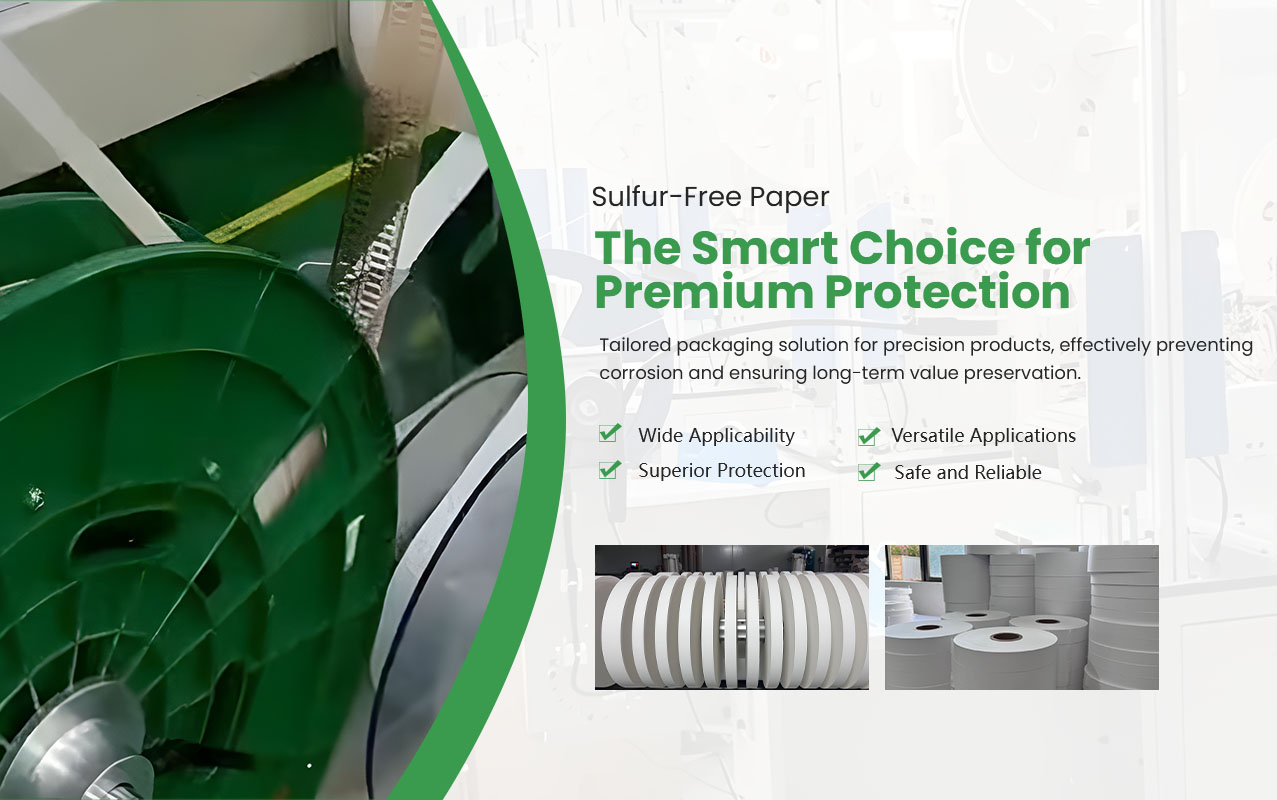
Our factory supplies paper release liners, release films, Label Paper, Kraft Paper, sulfur-free paper, and laminated paper products. We can coordinate material selection and roll conversion according to the adhesive product and production equipment.
Paper liners are often suitable for mainstream stickers, shipping labels, retail labels, and industrial tapes where stiffness and cost efficiency matter. Film liners are valuable for thin constructions, transparent labels, complex shapes, moisture exposure, and applications requiring greater dimensional stability.
The better liner is the one that converts consistently and releases cleanly after storage. Production trials should measure matrix stripping, web breaks, dispensing performance, liner damage, and finished-label appearance before a large order is approved.