xinyuanshun@xyspaper.com
+86-13316621858
+86-0750-3766098

Release Paper is a coated paper substrate that protects an adhesive surface and allows the adhesive product to separate at the required stage of use. It is commonly found behind pressure-sensitive labels, stickers, tapes, medical adhesive products, composite materials, and industrial laminates. Release force describes the force needed to peel the adhesive material away from the release surface, making it one of the most important performance properties of release paper.
Release force that is too high can make labels difficult to dispense or damage delicate adhesive products. Release force that is too low can cause labels to lift prematurely, shift during converting, or separate during transport.
Release paper normally contains three functional parts:
A base paper that provides strength and dimensional stability
A barrier or surface-treatment layer that limits coating penetration
A release coating that creates a controlled low-energy surface
Common base materials include glassine paper, Kraft Paper, and other papers selected according to smoothness, strength, transparency, thickness, or cleanliness requirements. Silicone is widely used as the release coating, although non-silicone systems are available for applications where silicone transfer or contamination is a concern.
Our release liner paper is designed to carry and protect adhesive products during printing, die-cutting, storage, and application.
Release force is measured by peeling an adhesive material from the liner under defined test conditions. The result can change with peel angle, peel speed, test-strip width, adhesive type, storage time, temperature, and humidity.
For that reason, a release-force value should never be evaluated without its test method. Two results obtained under different conditions may not be directly comparable.
Release performance is commonly discussed as:
Easy release for applications requiring light removal
Medium release for general converting and dispensing
Tight release where stronger retention is required
Differential release for double-sided products needing different release levels on each side
The correct level depends on the adhesive system and processing sequence rather than a general assumption that lower release force is always better.
During label production, release paper passes through printing, lamination, die-cutting, matrix stripping, slitting, rewinding, and automatic dispensing. Release behavior influences each stage.
Excessive release force may contribute to:
Difficult matrix removal
Label lifting with the waste matrix
Web breaks
Dispensing failures
Damage to thin labels
Increased machine tension
Insufficient release force may cause:
Premature label separation
Edge lifting
Label movement on the liner
Unstable rewinding
Adhesive contamination
Problems during transport or storage
Stable release across the entire roll is as important as the average value. Uneven coating or incomplete curing can create different peel behavior at the center and edges.
Silicone chemistry, coating weight, curing conditions, base-paper porosity, surface treatment, and adhesive interaction all affect release force. Storage can also change the result, especially when heat, humidity, or pressure accelerates contact between the adhesive and liner.
A qualified test should use the customer’s actual adhesive laminate whenever possible. Testing only the bare release surface does not fully represent production performance.
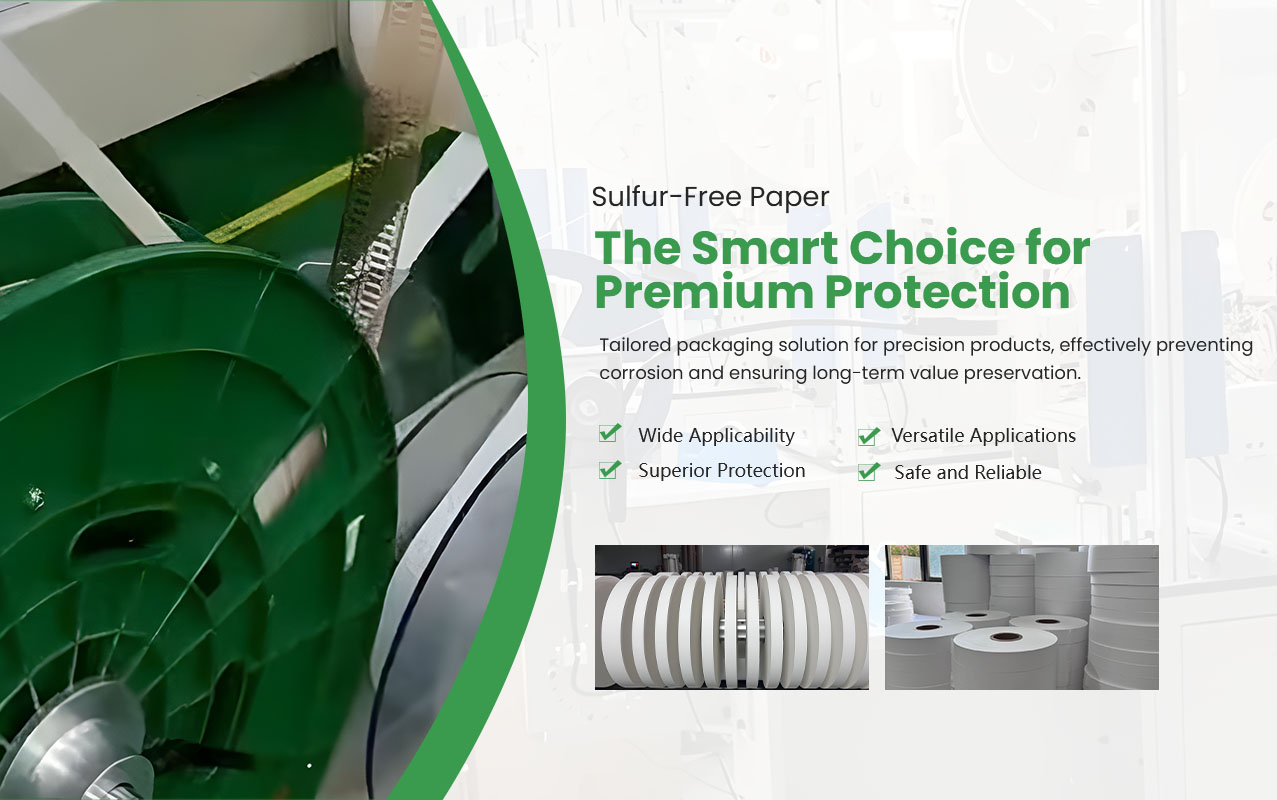
As a release paper wholesale supplier, we support specifications for labels, stickers, tapes, laminates, packaging, and selected industrial applications. Our product scope includes silicone release paper, Release Liner Paper, release film, Label Paper, kraft paper, sulfur-free paper, and laminated paper rolls.
We can review base-paper type, width, thickness, coating side, release requirement, roll length, core specification, and packing method. Production control focuses on surface consistency, coating condition, roll appearance, slitting quality, and stable unwinding.
Begin with the adhesive, converting speed, die-cutting method, dispensing process, and end-use environment. Sample testing should simulate the planned storage time and application conditions rather than measure only a newly produced laminate.
Release paper performs correctly when it holds the adhesive product securely during converting and storage, then separates cleanly at the intended moment. The best release force is therefore a controlled range matched to the complete production process.