xinyuanshun@xyspaper.com
+86-13316621858
+86-0750-3766098

Global demand for medical Kraft Paper is rising because healthcare systems are placing higher requirements on sterilization reliability, traceability, workflow efficiency, and sustainable packaging choices. Medical facilities, device manufacturers, and sterilization service providers need packaging materials that can withstand common sterilization cycles, maintain barrier performance during storage and transport, and support clear process control from packing to point-of-use. At the same time, more regions are strengthening quality expectations for medical packaging, which pushes buyers toward consistent, specification-driven materials rather than general-purpose paper.
XINYUANSHUN supplies dedicated solutions for this market. You can learn more through our medical kraft paper product page.
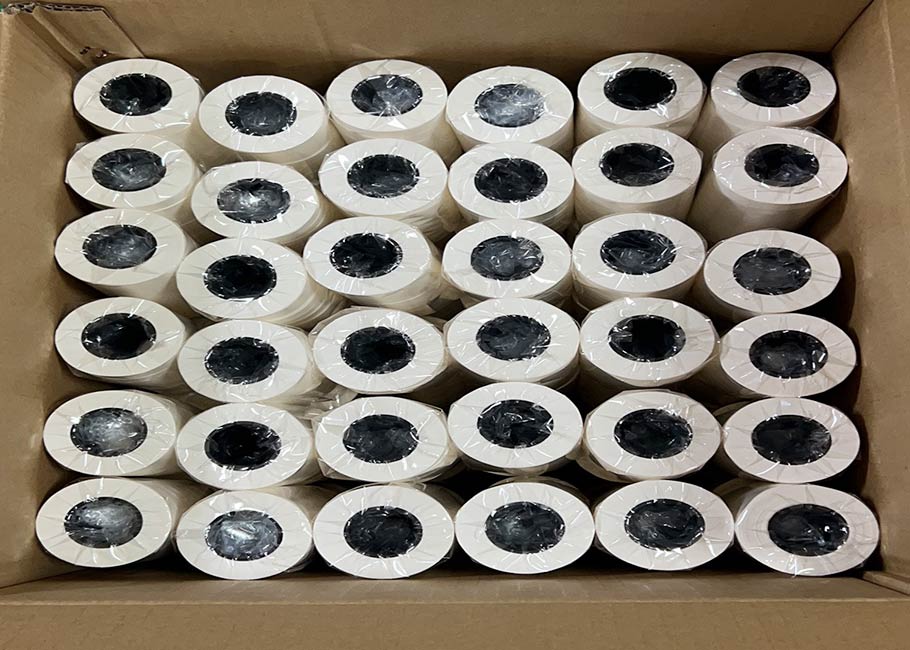
Hospitals and clinics are processing more instruments, more frequently, and with tighter turnaround expectations. As sterile supply departments optimize throughput, packaging materials need to perform consistently across routine cycles. Medical Kraft Paper is widely used in sterile packaging formats because it supports dependable sealing behavior and helps maintain sterility until opening.
As medical services expand into outpatient settings, dental clinics, and specialty practices, the need for standardized packaging materials also spreads beyond large hospitals. This drives broader, steady consumption across more facilities.
Infection prevention programs increasingly focus on packaging integrity as part of sterile assurance. Even when sterilization is successful, packaging failure during handling or storage can lead to reprocessing, waste, and schedule disruption. Buyers are therefore prioritizing paper that offers:
Stable basis weight and thickness control
Predictable tensile strength and tear resistance for handling
Consistent porosity for sterilant penetration and drying
Clean surface properties for reliable sealing performance
This shift favors purpose-made sterilization packaging paper rather than paper that was not engineered for medical use conditions.
Medical device production continues to grow across many categories, including single-use procedure kits, diagnostic consumables, and supporting accessories. Even reusable instrument systems require sterile barrier packaging for transport and storage. Each incremental production line adds recurring packaging demand, and medical kraft paper remains a key component within a broad range of packaging structures used before sterilization.
For many device manufacturers, packaging materials are not only a cost item but also part of their quality system. This pushes global sourcing toward suppliers who can provide stable specifications and documentation support.
Sustainability is not the only driver, but it is increasingly part of procurement requirements. Many organizations are evaluating packaging materials through the lens of responsible sourcing, waste management, and overall material efficiency. Paper-based components can fit into these goals when they are selected correctly for the application and when performance remains the first priority.
The trend is not simply moving away from plastics. It is moving toward a more balanced packaging design where each layer is chosen for a specific function, and paper-based sterile packaging components remain central in many designs.
Medical supply chains now involve more long-distance transport, more intermediate handling points, and more varied storage environments. Packaging must protect sterile items not only inside the facility, but across shipping routes and distribution networks. Stronger handling performance reduces the risk of pinholes, edge damage, or seal stress.
In this context, medical kraft paper is attractive because it can be specified to support:
Reliable sealing window control
Adequate stiffness for pack formation and handling
Barrier stability during storage intervals
When the goal is to reduce rework and minimize packaging-related failures, consistent paper performance becomes a measurable operational advantage.
Procurement teams increasingly want packaging materials that align with documented quality practices and support traceability. This includes stable lot control, measurable specifications, and consistency that reduces process variation during sealing and sterilization.
Many buyers now evaluate medical kraft paper suppliers using criteria like:
Specification clarity and repeatability
Production consistency across batches
Support for incoming inspection standards
Responsiveness to technical questions during validation
This is one reason OEM/ODM partners and bulk order buyers often shift from spot purchasing toward long-term supply agreements with manufacturers who can maintain stable output.
Below is a practical checklist of what procurement and technical teams commonly examine when qualifying paper for sterile packaging:
| Evaluation Area | Why It Matters | What To Check |
|---|---|---|
| Porosity and breathability | Supports sterilant penetration and drying | Stable pore structure and consistency |
| Strength and tear resistance | Reduces damage during handling | Tensile, tear strength, edge durability |
| Sealing compatibility | Prevents seal failures and rework | Seal range stability and surface quality |
| Cleanliness | Helps control contamination risk | Low linting, controlled surface behavior |
| Dimensional stability | Improves pack forming consistency | Thickness and basis weight uniformity |
These factors connect directly to process yield and sterile assurance, which is why technical evaluation is a growing part of global demand growth.
Medical kraft paper demand is rising because it sits at the intersection of multiple long-term trends: expanding healthcare access, more standardized sterilization workflows, growth in medical device manufacturing, and stronger expectations for quality documentation and supply reliability. Even when end markets fluctuate, the underlying drivers are linked to essential healthcare operations.
Suppliers that can maintain consistent specifications and support qualification needs are positioned well as global sourcing becomes more rigorous.
Global demand for medical kraft paper is increasing because the healthcare and medical device sectors need reliable sterile packaging materials that support consistent sterilization results, safe handling, traceable quality control, and evolving sustainability expectations. As workflows scale and quality requirements tighten, buyers are choosing engineered paper solutions that reduce process variation and protect sterile integrity from packing to point-of-use.
If you are evaluating medical kraft paper for production qualification, sterile packaging conversion, or new project sourcing, XINYUANSHUN can support specification-driven selection and technical discussion. Visit our medical kraft paper product page and share your sterilization method, packaging format, and target performance requirements. Our team can provide practical guidance and stable supply options for your application.