xinyuanshun@xyspaper.com
+86-13316621858
+86-0750-3766098

Parchment paper is a food-contact paper designed to handle heat, moisture, and grease in cooking and food preparation. The concern about chemical release usually comes from two places: the paper’s surface treatment that makes it non-stick and oil-resistant, and what happens when any paper product is exposed to high heat. In most normal baking and air-frying conditions, food-grade parchment paper is engineered to be stable and suitable for contact with food. The key is using the right type of parchment paper, keeping temperatures within recommended limits, and choosing products that follow food-contact compliance requirements.
XINYUANSHUN supplies Food Paper solutions for commercial kitchens, brands, and packaging lines, including parchment-style baking paper and related oil-proof food papers. You can view our range here: Food Paper
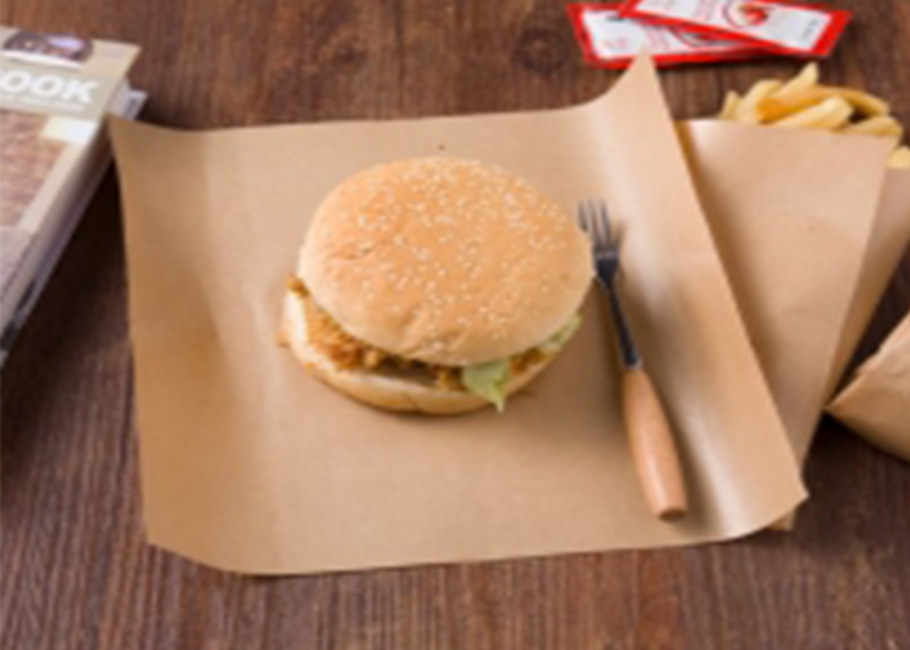
Parchment paper is a cellulose-based paper that has been processed to improve heat resistance and surface stability, then treated to become non-stick and grease-resistant. In modern food applications, the most common non-stick approach is a silicone coating. This coating creates a surface that helps food release easily and prevents oils and moisture from soaking through the paper too quickly.
In daily use, parchment paper is commonly used for:
Baking trays and sheet pans to reduce sticking and simplify cleanup
Air fryer liners to reduce grease buildup and protect baskets
Wrapping or separating foods during preparation to reduce moisture transfer
Light food packaging where oil resistance and cleanliness are needed
A typical parchment paper structure includes:
Base paper made from wood-pulp cellulose fibers
A surface treatment that provides non-stick and oil-proof performance, most commonly food-grade silicone
There are also variations in appearance and processing:
Unbleached parchment paper typically looks brown and avoids whitening steps
Bleached parchment paper looks white and has undergone whitening processing before coating
From a procurement standpoint, the base material and coating system determine performance consistency, odor behavior at heat, and the ability to meet food-contact requirements.
In normal use at appropriate temperatures, food-grade parchment paper is designed to remain stable and not transfer harmful levels of substances to food. Concerns are more likely when parchment paper is misused, overheated, or when the product is not made to food-contact standards.
The practical answer depends on these factors:
Temperature and exposure time
When parchment paper is pushed beyond its heat tolerance, it can darken, char, or smoke. At that point, the risk is less about a specific coating ingredient and more about general thermal degradation of organic materials. Any paper heated too high will degrade and create odors and smoke compounds.
Coating type and quality control
Silicone-coated parchment paper is widely used because silicone is chosen for thermal stability in cooking temperatures. Low-quality coatings, inconsistent curing, or non-food-grade processing can increase odor, discoloration, and transfer risk.
Direct contact with heating elements or open flames
When parchment touches a heating element, it can scorch quickly. Scorching increases smoke and can deposit burnt residues on food.
Additives, inks, and printing
Plain parchment paper is typically unprinted. If a paper is printed or dyed, the ink system and curing quality become additional variables. Food-contact packaging programs usually prefer unprinted contact surfaces unless the ink system is explicitly designed for food contact.
A realistic way to frame the topic is this:
Proper food-grade parchment paper used within its recommended temperature range is generally considered suitable for cooking and baking.
Overheating, direct flame exposure, and unknown material compliance are the conditions most associated with unwanted odor, smoke, and potential transfer concerns.
Good practice reduces both performance failures and safety concerns.
Key use guidelines:
Follow the temperature rating provided by the supplier
Many parchment papers are intended for common baking ranges, but exact limits vary by grade and coating design.
Prevent parchment paper from contacting open flames or heating coils
In air fryers, keep the liner weighted by food so it does not lift into the heating zone.
Avoid preheating an air fryer with parchment inside and no food
Loose paper can be pulled upward by airflow and scorch.
Use the right size and shape
Oversized sheets can curl and touch hot surfaces. Pre-cut liners can improve stability.
Replace paper between batches when it becomes heavily saturated
Excess oil can increase smoke and create off-odors when repeatedly heated.
Many buyers compare parchment paper to wax paper, baking paper, and oil-proof liners. The main differences are heat tolerance and surface chemistry.
| Food Paper Type | Typical Surface Function | Heat Suitability | Common Use Cases |
|---|---|---|---|
| Parchment paper | Non-stick and oil-resistant surface, often silicone-coated | Suitable for baking and many air-fryer uses within rating | Baking, roasting, liners, food separation |
| Wax paper | Wax layer for moisture barrier | Not intended for high-heat baking | Cold wrapping, food separation in prep |
| Oil-proof food paper | Grease resistance for packaging | Depends on coating and specification | Sandwich wraps, burger paper, tray liners |
| Air fryer liner paper | Oil-proof and shaped for airflow control | Suitable within rated range, must be used correctly | Air fryer basket protection, cleanup reduction |
If the application involves sustained oven heat, parchment-style baking paper is usually the preferred choice over wax-based papers.
If your goal is consistent performance and lower risk of odor, discoloration, or transfer concerns, the sourcing checklist matters more than marketing claims.
Procurement checklist:
Food-contact compliance documentation
Confirm the paper is produced for food contact and can support the target market requirements.
Coating system clarity
Identify whether the product is silicone-coated or uses another oil-proof treatment, and confirm it is suitable for heat use.
Heat performance specification
Confirm temperature rating, time tolerance, and whether direct contact with hot metal surfaces is expected.
Odor control and cleanliness
Ask for odor testing approach, production hygiene practices, and batch consistency controls.
Thickness and basis weight selection
Thicker papers often provide better handling and reduced tearing, while thinner papers may improve folding and cost efficiency. The right balance depends on the cooking method.
Custom size and format
For foodservice programs, pre-cut sheets, rolls, perforations, and shaped liners reduce waste and improve line efficiency.
At XINYUANSHUN, we support OEM and ODM projects for food paper where size, thickness, and converting formats need to match real kitchen workflows. You can review our options here: Food Paper
Even a good parchment paper can perform poorly if it is stored incorrectly or used in conditions it was not designed for.
Best practices:
Store in a dry area away from strong odors
Paper can absorb ambient odors, which may appear during heating.
Keep rolls and sheets flat and protected
Creasing and moisture exposure can reduce release performance and cause uneven browning.
Avoid contact with water before use in high heat
Wet paper can tear more easily and may deform, increasing the chance it touches heating zones.
Parchment paper is a cellulose-based food paper that typically uses a silicone non-stick coating to deliver heat-resistant, oil-proof performance in baking and many air-fryer workflows. Proper food-grade parchment paper used within its rated temperature range is designed to be stable in contact with food. The situations most associated with unwanted smoke, odor, or potential transfer concerns are overheating, direct contact with heating elements or open flames, and sourcing paper without clear food-contact compliance and coating control.
If you are unsure which parchment paper grade fits your oven or air-fryer temperature profile, or you want to develop a custom food paper specification for your packaging or foodservice program, you can consult XINYUANSHUN. Share your application, temperature range, contact time, and preferred size format, and we can recommend suitable food paper options and provide practical guidance for selection and use.