xinyuanshun@xyspaper.com
+86-13316621858
+86-0750-3766098

Strapping tape is a packaging consumable used to bundle, secure, reinforce, and stabilize items during handling, storage, and transport. Unlike ordinary sealing tape that is mainly used to close carton flaps, strapping tape is selected for its load-bearing role. It is designed to hold tension, resist tearing under stress, and maintain package integrity when products are moved by hand, conveyors, pallets, or long-distance logistics routes. In practice, strapping tape helps prevent shifting, corner damage, loose loads, and package deformation, especially when the goods are irregular, heavy, or packed in sets.
At XINYUANSHUN, we supply Paper Strapping solutions engineered for packaging workflows that require reliable tensile performance, consistent sealing behavior, and customization flexibility for different load profiles. You can review our product range here: Paper Strapping
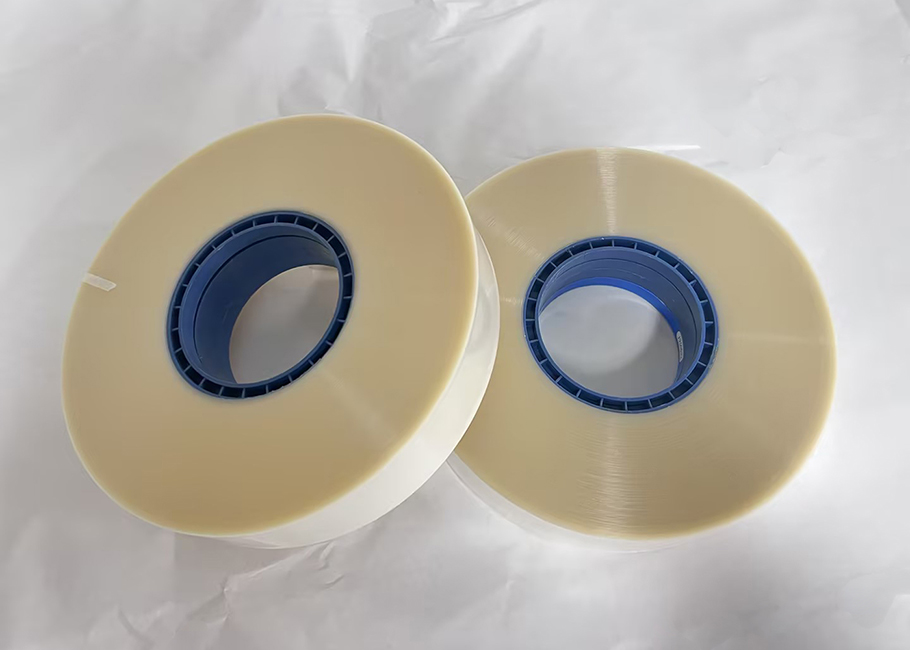
Strapping tape is a strip material used to apply compressive force around an item or group of items. It can be applied manually or with semi-automatic tools depending on the packaging line design. While the word tape is often associated with adhesive, many strapping tapes are actually strap-like materials that rely on tension and sealing methods such as heat sealing, mechanical locking, or adhesive bonding depending on the material type.
Common strapping tape variants include:
Paper-based strapping and paper ties for bundling and carton reinforcement
Film tie or plastic-based strapping used for higher moisture exposure or higher tensile demand
Corner tape used to protect edges and reduce strap cutting into cartons
Specialty strapping formats designed for specific machines or packaging workflows
The main function is load stabilization, not surface adhesion. That is the key distinction from carton sealing tape.
Strapping tape performance is decided by how well it maintains tension and how reliably it seals or locks under real packaging conditions. For project buyers and packaging engineers, the right strapping tape reduces transit damage, improves warehouse handling efficiency, and stabilizes unit loads.
Core characteristics include:
Tensile strength and tear resistance
Strapping tape must resist elongation and tearing when the load is lifted, shifted, or vibrated in transport. Higher tensile stability reduces slack formation after strapping.
Consistent sealing behavior
Depending on the tape type, sealing may be achieved through heat sealing, adhesive bonding, or mechanical locking. Stable sealing prevents strap separation during movement.
Controlled stiffness and flexibility balance
Too stiff and the strap can crease or cut into edges. Too flexible and it can loosen under vibration. The balance affects both appearance and load security.
Clean handling and reduced contamination
In many packaging environments, a clean strapping material reduces dust, residue, and rework. This is especially relevant for goods packed in clean zones.
Customizable width and thickness
Different products require different tension and edge pressure distribution. Adjusting width and thickness helps match strap behavior to load profile and packaging method.
Strapping tape selection is usually a trade-off between holding force, sealing method, surface protection, and line efficiency.
Strapping tape is commonly used wherever goods must stay together as a unit during movement. It is a practical alternative to rigid packaging reinforcements, especially when the product shape is irregular or when multiple items need to ship together.
Typical use cases include:
Carton reinforcement for outbound logistics
Strapping tape improves carton stability, reduces bulging, and prevents carton deformation under stacking pressure. This matters for long-distance shipping and warehouse stacking.
Bundling multiple items into one unit
Items such as paper bundles, cartons, tubes, boards, profiles, or packaged sets can be strapped to improve handling and counting efficiency.
Pallet and unit-load stabilization
Strapping can secure cartons to pallets, reduce shifting, and improve forklift handling safety, especially when combined with edge protection.
Internal warehouse handling and transfer
When goods move between production lines, storage areas, and outbound docks, strapping reduces the risk of partial load collapse.
Packaging in industries that value clean appearance
Paper strapping is often preferred when packaging aesthetics and labeling clarity matter, because it can look cleaner than some plastic strapping options and integrates well with paper-based packaging systems.
Application mapping overview
| Application Scenario | Main Packaging Risk | How Strapping Tape Helps |
|---|---|---|
| Carton reinforcement | Carton bulging and seam failure | Adds external holding force and stability |
| Multi-item bundling | Items shifting or separating | Keeps products together as one unit |
| Pallet stabilization | Load movement during transport | Reduces lateral shift and improves handling |
| Warehouse transfers | Partial collapse during manual moves | Improves unit integrity and control |
| Clean packaging programs | Poor appearance or residue | Supports neat packaging presentation |
Correct application determines whether the strap actually holds. Many strapping failures are not caused by the strap itself but by incorrect tensioning, wrong strap position, or unsuitable sealing conditions.
The strapping path should match the load shape and the direction of likely movement:
For cartons, strap around the width to reduce bulging and around the length to reduce flap stress.
For bundled items, strap at stable points that prevent sliding and rotation.
For pallets, strap through the pallet base or around the entire unit load depending on the pallet structure and handling method.
Strapping must be tight enough to hold the load but not so tight that it crushes cartons or damages product surfaces.
If the load is fragile, use a wider strap to distribute pressure.
If the load is rigid and heavy, use a strap thickness and sealing method that can hold higher tension.
For sharp edges or thin cartons, edge protectors prevent strap cutting and reduce damage at corners.
Corner tape is often used to protect carton edges and maintain strap alignment.
Edge protection also improves appearance and reduces denting.
Depending on the strapping tape type, verify that the joint is secure:
Heat sealing should show consistent fusion without partial melt.
Adhesive joints should have full contact without contamination.
Mechanical locks should be fully seated without deformation.
A simple pull test at the joint area helps confirm process stability before scaling production.
Selecting strapping tape should be based on your load profile, packaging method, and performance priorities. For many buyers, the goal is to reduce packaging failures while keeping operations smooth.
Selection checklist:
Load weight and geometry
Heavier and taller loads need stronger holding force and better joint reliability.
Packaging line method
Manual strapping, semi-automatic tools, and fully automatic systems require different strap formats and tolerances.
Surface sensitivity and appearance requirements
Wider straps and paper-based solutions can reduce surface marking and provide cleaner packaging presentation.
Sealing approach
Choose a strap compatible with your sealing method, especially if heat sealing efficiency is critical.
Custom width and thickness needs
Adjusting strap dimensions helps optimize tension stability and reduce material overuse.
At XINYUANSHUN, we provide paper strapping products designed for packaging and bundling workflows, with OEM and ODM support for width and thickness customization based on your packaging requirements. You can explore options here: Paper Strapping
Strapping tape is used to bundle, reinforce, and stabilize packages by applying controlled tension around products, cartons, or unit loads. Its value is most visible in logistics reinforcement, multi-item bundling, pallet stabilization, and warehouse handling where shifting, deformation, and damage risk must be reduced. The best results come from selecting the right strap type, matching width and thickness to load profile, applying correct tension, using edge protection when needed, and ensuring sealing or locking quality is consistent.
If you are unsure which strapping tape format fits your packaging line or you need guidance on strap width, thickness, sealing method, or application layout, you can consult XINYUANSHUN. Share your product type, package size, load weight range, and strapping method, and we will recommend suitable paper strapping options and provide practical support for your packaging workflow.
Previous: Can Strapping Tape Be Used for Shipping?