xinyuanshun@xyspaper.com
+86-13316621858
+86-0750-3766098

opp film is one of the most widely used packaging films because it is lightweight, stable in production, and adaptable for printing and converting. When buyers ask whether OPP film can be recycled, the real answer depends on how the film is built and how it is used in the final packaging structure. A single-material OPP film is generally recyclable where polypropylene film streams exist. However, OPP used in multi-material laminations, heavily coated constructions, or adhesive-bonded composites may be difficult to recycle in common mechanical recycling systems.
At XINYUANSHUN, we supply eco-oriented OPP film packaging options designed to support practical sustainability goals while still meeting converting and protection needs. You can view our product here: Eco-Friendly OPP Film Packaging
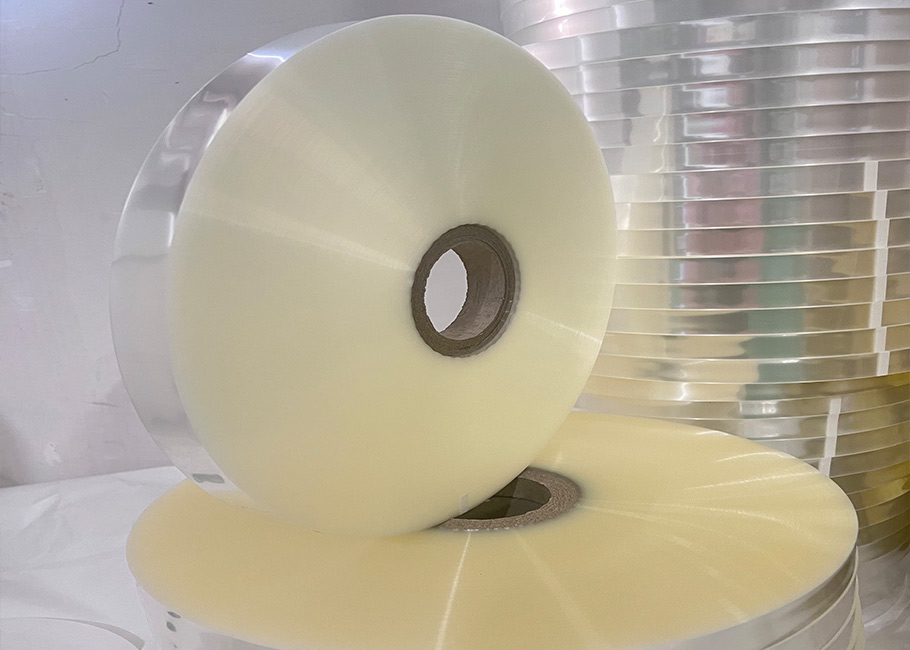
OPP stands for oriented polypropylene film. It is produced from polypropylene resin and then stretched in one direction or two directions to improve film strength, stiffness, and surface quality. This orientation step is what gives OPP film its typical handling stability, good clarity, and reliable converting performance.
Common forms you may encounter include:
Plain OPP film used for overwrap and protective packaging
Printed OPP film used for labels and brand packaging
Treated OPP film with improved surface energy for printing and lamination
Metallized OPP film used for improved barrier in certain packaging designs
From a materials standpoint, OPP film is a polypropylene-based substrate. That base material matters because polypropylene is one of the major recyclable plastics in many industrial recycling systems, especially when the packaging structure remains mono-material.
OPP film can be recyclable, but it is best described as conditionally recyclable because collection and processing depend on local infrastructure and the packaging structure.
In practical terms, recyclability is influenced by:
Whether the structure is mono-material polypropylene or a mixed-material laminate
Whether the film is clean and dry enough for sorting and reprocessing
Whether the film is collected as flexible packaging film in your target market
Whether inks, coatings, and adhesives are compatible with mechanical recycling
Where OPP film is most recyclable:
Single-layer or mono-material polypropylene structures
Simple constructions with limited coatings and compatible inks
Industrial scrap streams where clean, sorted OPP trim is collected and reprocessed
Where recyclability becomes difficult:
Laminations combining OPP with PET, PE, aluminum foil, paper, or heavy barrier coatings
Structures with aggressive adhesives that do not separate cleanly in washing and reprocessing
Packaging contaminated with food oils, powders, or residues that are not removed effectively
A useful buyer mindset is to evaluate OPP film recyclability at the packaging structure level, not the film label level. The same OPP substrate can be recyclable in one design and non-recyclable in another.
If recyclability is a project goal, structure decisions should be made early, because post-production fixes are limited. The most effective strategy is to reduce material complexity and keep the packaging within a mono-material family wherever possible.
Design choices that typically improve recyclability:
Prioritize mono-material polypropylene constructions when performance targets allow
Reduce unnecessary layers and avoid incompatible barrier materials unless essential
Use inks and coatings that are designed for polyolefin recycling streams
Control adhesive selection and application to minimize contamination in regrind
Design packaging to reduce contamination risk in use, especially for greasy products
For project buyers, these decisions often connect directly to cost and supply chain reliability. A simpler mono-material structure can reduce sourcing complexity, reduce lamination steps, and improve yield in converting. In OEM packaging programs, mono-material thinking also helps standardize SKUs across regions.
Recyclability impact overview
| Film Or Package Choice | Typical Recycling Outcome | Practical Notes For Buyers |
|---|---|---|
| Mono-material OPP structure | More recyclable where PP film streams exist | Best case for mechanical recycling |
| OPP plus incompatible laminate layer | Often hard to recycle | Separation is not common in standard systems |
| Heavy coatings or complex surface layers | Reduced recyclability | Can affect washing and melt filtration |
| Clean industrial trim and offcuts | Highly recyclable in closed-loop streams | Stable feedstock quality improves value |
| Contaminated post-consumer flexible film | Recycling depends on collection and cleaning | Infrastructure varies by region |
If your goal is recyclable packaging, the purchasing checklist should include both material and process questions. This reduces the gap between sustainability claims and real end-of-life outcomes.
Key items to confirm:
Resin family and structure intent
Confirm the substrate is polypropylene-based and clarify whether the final packaging is designed as mono-material.
Converting compatibility
Confirm the film supports your printing, slitting, and sealing needs without requiring non-recyclable laminate upgrades.
Surface treatment approach
Treated films are often needed for printability, but treatment should be aligned with your recycling direction and ink system.
Ink and coating strategy
Ask for guidance on ink systems that maintain performance while minimizing recycling disruption.
Thickness and strength requirements
Film gauge selection affects both performance and recyclability economics. Too thin may drive breakage and waste. Too thick increases material use.
Packaging and logistics format
Roll packaging and handling influence cleanliness and defect rates, which affects how much scrap can be reclaimed internally.
At XINYUANSHUN, we support flexible packaging projects by aligning film performance, converting practicality, and sustainability direction. If you are planning wholesale supply for branded packaging, we can help evaluate structure choices and processing details around Eco-Friendly OPP Film Packaging based on your application and target market.
Even a recyclable film structure can fail in practice if post-use conditions are not considered. Flexible films are light and can be contaminated easily, which affects sorting and reprocessing.
Operational factors that influence real recycling outcomes:
Contamination level
Oils, powders, and food residues reduce the value of collected film and may prevent recycling in some systems.
Labels and closures
Mixed materials attached to flexible film can complicate sorting. Simplified designs reduce separation load.
Collection method
Some regions collect flexible films separately, while others do not. This often matters more than the resin type.
Industrial versus consumer flow
Industrial trim and clean offcuts are far easier to recycle than mixed post-consumer film because they are sorted and consistent.
If you are developing a packaging program across multiple regions, it is useful to define two targets: a design-for-recycling target and an actual recycling pathway target based on local collection realities.
OPP film is made from oriented polypropylene, and it can be recyclable when the packaging structure remains compatible with polypropylene recycling streams and when collection and processing systems exist for flexible films. Mono-material OPP constructions and clean industrial scrap are generally the most practical recycling pathways. Recyclability drops when OPP is laminated with incompatible materials, heavily coated, or contaminated in use. The most reliable way to improve recycling outcomes is to design the full packaging structure for recyclability early and source film specifications that support both converting performance and end-of-life goals.
If you are unsure whether your current OPP packaging structure can be recycled in your target market or you want to develop a more recycling-friendly structure for your next program, you can consult XINYUANSHUN for guidance. Share your application type, target film thickness range, printing method, and intended market, and we will recommend suitable OPP film options and provide practical support for material selection and converting direction.
Previous: What Is Strapping Tape Used for?