xinyuanshun@xyspaper.com
+86-13316621858
+86-0750-3766098

Release Paper, often called a release liner, is the removable backing layer that protects sticky or sensitive surfaces until the product is ready to be applied, laminated, die-cut, or processed. It is widely used in pressure-sensitive labels, adhesive tapes, medical dressings, hygiene products, industrial laminates, and many converting operations where clean separation and stable performance are critical.
When buyers ask what can be used as release paper, they are usually trying to solve one practical problem: how to choose a liner material that releases smoothly, stays dimensionally stable through production, and protects the adhesive without contaminating it. In most applications, the best solution is not a random paper substitute. It is a purpose-built release liner with a controlled base paper and a reliable release coating system.
XINYUANSHUN supplies release liner paper engineered for converting and adhesive-related applications, supporting stable runnability, predictable release behavior, and customizable specifications for different production needs.
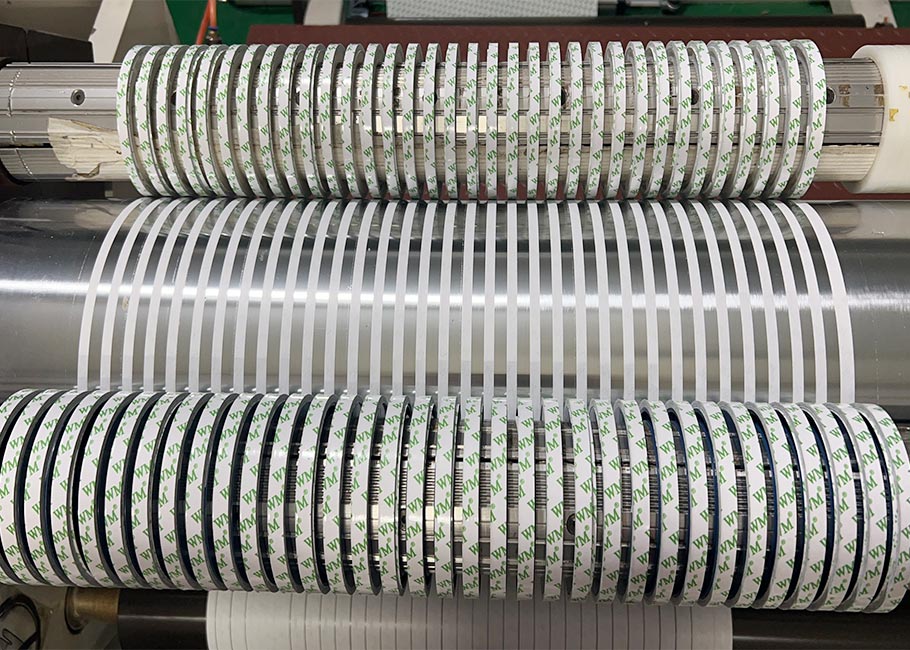
Release paper is not simply packaging. It is part of the product function and part of the production process. A good release liner must perform consistently in these areas:
It protects adhesive from dust, moisture influence, and accidental contact
It allows clean separation without tearing, fiber transfer, or residue
It supports die-cutting, slitting, rewinding, and high-speed dispensing
It helps maintain adhesive performance by preventing contamination
It stays flat and stable so labels and tapes do not curl or misregister
Because release liners affect yield and machine downtime, buyers usually evaluate them like a production material, not a commodity.
Different industries use different liner types, but most release papers fall into a few mainstream categories. The best choice depends on release force targets, temperature exposure, converting speed, and end-use requirements.
Glassine is a dense, smooth, highly calendered paper often used for labels and tapes. It provides:
A smooth surface that supports consistent coating and clean release
Good dimensional stability for many label applications
Reliable performance for die-cutting and high-speed dispensing
It is often selected when the goal is clean release with a thin, efficient liner.
Kraft-based liners are valued for strength and converting stability. They are often used when the liner needs to resist tearing during processing. Typical strengths include:
Strong base paper structure for slitting and rewinding
Good stiffness and handling performance in roll form
Stable performance for industrial tapes and laminates
Coated kraft is widely used where mechanical strength matters.
Some liners use specialty coatings to enhance smoothness, barrier properties, and coating holdout. They are often chosen when:
Uniform coating behavior is needed
The converting line is sensitive to surface variation
The adhesive system requires a controlled liner interface
These liners are common in specific industrial label and laminate workflows.
Although not paper, films are often considered when buyers ask about alternatives. Film liners provide:
High moisture resistance
Strong dimensional stability under humidity changes
Smooth release performance in certain systems
They are often used in high-precision or moisture-sensitive environments, but they can increase cost and complicate recycling streams compared with paper-based options.
The table below shows how common liner types differ in typical production decisions.
| Liner option | Typical strengths | Common limitations | Common use scenarios |
|---|---|---|---|
| Glassine release paper | Smooth surface, stable release, good for die-cutting | Can be less tear-resistant than kraft in heavy-duty handling | Labels, PSA products, tapes |
| Coated kraft release paper | Strong base, good stiffness, stable converting | May be thicker than glassine | Industrial tapes, laminates, heavier rolls |
| Specialty coated paper liners | Tailored surface properties, consistent coating | May require tighter supplier control | High-speed converting, specialty adhesives |
| Film liners | Moisture resistance, strong stability | Higher cost, waste handling complexity | Precision applications, humidity-sensitive products |
In most conventional label and tape operations, paper-based release liners remain a preferred option because they balance performance, cost, and production compatibility.
The key is not only the paper. It is the full liner system design. In practical sourcing, buyers focus on four technical factors.
Release force should remain consistent across the roll and between batches. Unstable release can cause:
Adhesive lift or edge tunneling
Label dispensing failure
Inconsistent die-cut waste matrix stripping
Stable release behavior reduces scrap and improves line speed.
Release liners must separate cleanly. If liner fibers, dust, or coating transfer onto adhesive, it can reduce tack and bond strength, causing product failure in the field.
Curl, shrinkage, and moisture response can lead to misregistration during printing or die-cutting. A stable liner helps:
Maintain accurate converting tolerances
Reduce web breaks
Improve winding quality and roll appearance
Converters often need liners that resist tearing during high-speed operations. Strength matters when:
The matrix is stripped quickly
The product is dispensed by machine
The liner must protect adhesive during transport and storage
Selecting a liner should be based on how it behaves in your process and how it protects the adhesive. The most common selection logic includes:
Different adhesives interact with liners differently. A liner that works for one adhesive may cause higher release force or liner transfer with another. Matching liner surface and coating behavior to the adhesive system helps maintain stable performance.
If you print, die-cut, laminate, slit, or rewind at speed, the liner must maintain strength, stable tension behavior, and consistent release across the web.
Some products face warm warehouses, cold shipments, or long storage time. Stable liners help reduce curl and maintain release performance over time.
Thicker liners can improve handling and reduce web breaks, but may increase shipping cost and waste volume. Optimizing thickness helps balance efficiency and performance.
In release liner sourcing, the biggest risks are inconsistency and production disruption. Buyers typically want a supplier that can deliver stable performance across batches and support custom specifications for different product lines.
XINYUANSHUN release liner paper supports converting operations with:
Release liner paper designed for adhesive-related applications
Consistent production control for stable converting performance
Customizable specifications to match different equipment and product formats
Practical supply support for manufacturers and distributors
When release stability, clean separation, and runnability are priorities, choosing a purpose-built release liner paper is a more reliable approach than using generic paper substitutes.
Normal kraft paper without a release coating is usually not suitable. It can stick to adhesive, tear during removal, and transfer fibers. In most cases, a coated release liner is required to achieve clean separation and protect adhesive performance.
Household parchment paper may have surface treatment for food use, but it is not engineered for industrial adhesive systems. Release behavior can be unstable, and it may not meet converting requirements such as die-cutting accuracy and roll consistency.
Film liners can work well in humidity-sensitive or high-precision applications, but they often increase cost and may complicate waste handling. Many operations prefer paper release liners for balanced performance and easier integration.
For mass production, a release liner paper designed for industrial converting is usually the safest choice because it provides controlled release force, stable web behavior, and predictable performance across batches.
Many materials can function as release paper in theory, but in real manufacturing, the best choice is a purpose-built release liner designed for your adhesive system and converting process. Glassine, coated kraft, and specialty coated liners are widely used because they provide stable release, clean separation, and dependable runnability.
If you are selecting a liner for labels, tapes, laminates, or adhesive products, XINYUANSHUN release liner paper offers a practical solution focused on stable performance and production compatibility, helping you reduce defects, improve line efficiency, and achieve consistent product quality.