xinyuanshun@xyspaper.com
+86-13316621858
+86-0750-3766098

Sustainability targets, packaging regulations, and buyer expectations are reshaping how goods are bundled, stabilized, and shipped. In many industries, eco-friendly strapping tape is no longer a niche option. It is becoming a practical replacement for traditional plastic straps in specific use cases where performance, safety, and disposal convenience matter more than extreme tensile requirements.
Paper-based strapping is gaining momentum because it can deliver reliable bundling strength, clean handling, and strong heat-seal performance, while also supporting lower plastic usage in packaging operations. XINYUANSHUN supplies paper strapping designed for packaging and bundling applications, with customization options that help packaging lines adapt smoothly.
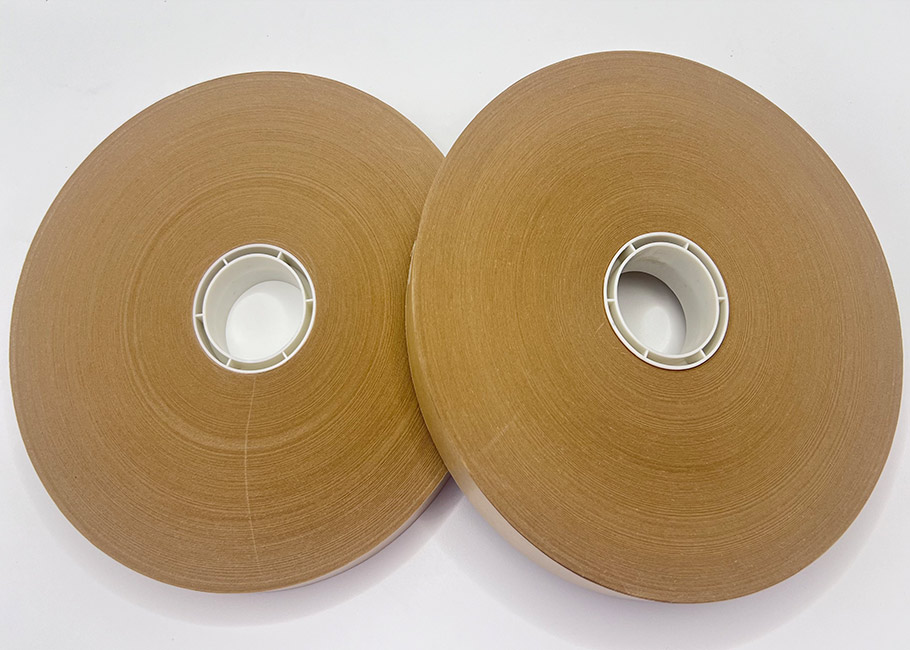
Eco-friendly strapping tape typically refers to strapping materials that reduce plastic reliance and improve end-of-life disposal. In most warehouse and factory settings, buyers focus less on marketing labels and more on measurable outcomes:
Easier waste sorting and simpler disposal workflows
Lower plastic content in outbound packaging
Improved worker handling and reduced strap rebound risks
Stable bundling performance for cartons, stacks, and light to mid-weight loads
Paper Strapping fits these goals particularly well in packaging lines that already rely on paper-based cartons and protective materials.
Plastic straps remain widely used for heavy loads and high-tension applications, but replacement is happening quickly in several common packaging scenarios. The reason is not only environmental. It is also operational.
When cartons, corner protectors, and fillers are paper-based, switching the strap to paper helps align the entire pack-out into one main waste stream. This can simplify downstream handling for distributors and end customers.
Plastic straps can snap back, leave sharp edges, or create rebound risk when cut. Paper strapping is often chosen in workflows where workers open packages frequently and safety incidents must be minimized.
For bundled cartons or paperboard products, paper strapping reduces the chance of plastic edge marks and helps maintain a clean presentation, especially for retail-facing packaging.
Replacement is most common where loads are stable, cartons are well-stacked, and extreme tension is not required. Typical use cases include:
Bundling light to mid-weight cartons for internal logistics
Strapping paper products, packaging components, or printed items
Consolidating boxed goods for short to mid-distance transport
Stabilizing packs where corner protection and consistent stack geometry already exist
In these scenarios, paper strapping can deliver enough holding force while improving end-of-life handling.
Replacement decisions usually come down to a few practical criteria. The table below summarizes the typical strengths of each option.
| Selection factor | paper strapping tape | Traditional plastic straps |
|---|---|---|
| Disposal workflow | Often easier to sort with paper packaging | Often requires separation from paper waste |
| Worker handling | Lower rebound risk during cutting | Higher snap-back risk under tension |
| Heat-seal performance | Can offer strong heat-seal bonding in paper systems | Common sealing options depend on strap type |
| Appearance | Clean look that matches paper cartons | More industrial appearance |
| Heavy-load tension | Best for light to mid-range loads | Strong for heavy loads and high tension |
| Outdoor exposure | Depends on packaging design and protection | Often better moisture resistance |
Paper strapping is replacing plastic straps mainly when companies prioritize packaging streamlining, worker safety, and reduced plastic usage, while staying within the required load stability.
Switching strapping material affects packaging machines, handling habits, and shipment stability. Buyers typically evaluate the following before changing:
If products are dense, irregular, or stacked high, plastic straps may remain necessary. For stable cartons and predictable loads, paper strapping is often sufficient.
Strapping performance is not just about strap strength. It is about seal integrity. Paper strapping is often selected for its ability to achieve consistent heat sealing when matched with the correct settings and line conditions.
In high-throughput environments, straps must resist edge tears when cartons shift slightly. Buyers often request paper strapping with reliable fiber structure and consistent thickness.
Factories prefer solutions that require minimal machine changes. Custom sizing helps here, especially when line settings are standardized across multiple pack-out stations.
XINYUANSHUN provides paper strapping focused on bundling and packaging workflows where companies want stable performance with reduced plastic usage.
Key product and supply advantages include:
Material: paper, suitable for paper-based packaging systems
Strong pulling performance, supporting reliable bundling tension for common cartons and stacks
Good heat sealing performance, designed for consistent sealing in packaging operations
Customization of width and thickness, allowing buyers to match strapping specs to machine settings and load needs
OEM and ODM support, helpful for distributors and packaging solution providers
Paper carton packaging, improving transport protection and warehouse handling
The goal is to help packaging teams reduce changeover risks while achieving predictable strapping results.
Paper strapping is commonly used in industries where cartons, paperboard, and packaged goods are the primary shipment format. Typical applications include:
Packaging lines that bundle cartons for outbound shipment
Warehouses that strap grouped boxes for pallet staging
Packaging of paper products and converted paper goods
Bundling retail-ready boxes where presentation matters
These applications benefit from the paper-to-paper compatibility that simplifies overall packaging composition.
A smooth changeover usually follows a controlled evaluation process:
Identify one stable product line with consistent carton geometry
Test paper strapping under real pack-out conditions, not only bench tests
Validate heat-seal settings and confirm seal integrity across shifts
Confirm strap performance after transport simulation and stacking time
Expand to additional lines once the pass rate and efficiency are stable
This approach helps avoid shipment failures while capturing the benefits of reduced plastic usage.
Eco-friendly strapping tape is replacing traditional plastic straps in many packaging scenarios, especially where loads are stable, cartons are consistent, and companies want to reduce plastic usage while improving waste handling and worker safety.
Plastic straps still remain essential for heavy loads and high-tension requirements, but paper strapping has become a strong alternative for a wide range of day-to-day packaging operations.
If your packaging line is evaluating paper-based strapping solutions, XINYUANSHUN paper strapping offers customizable specifications, strong pulling performance, reliable heat sealing behavior, and OEM and ODM support to help you implement the transition with confidence.