xinyuanshun@xyspaper.com
+86-13316621858
+86-0750-3766098

Medical Kraft Paper is widely used for sterile packaging, surgical kits, and hospital supplies because of its microbial barrier properties and sterilization compatibility. However, this material is sensitive to humidity, and improper storage can lead to weakened seal strength, fiber deformation, or compromised sterility performance. Preventing moisture damage is therefore essential for manufacturers, distributors, and healthcare facilities. XINYUANSHUN’s medical kraft paper is engineered for durability, but correct storage practices remain crucial to ensure optimal performance.
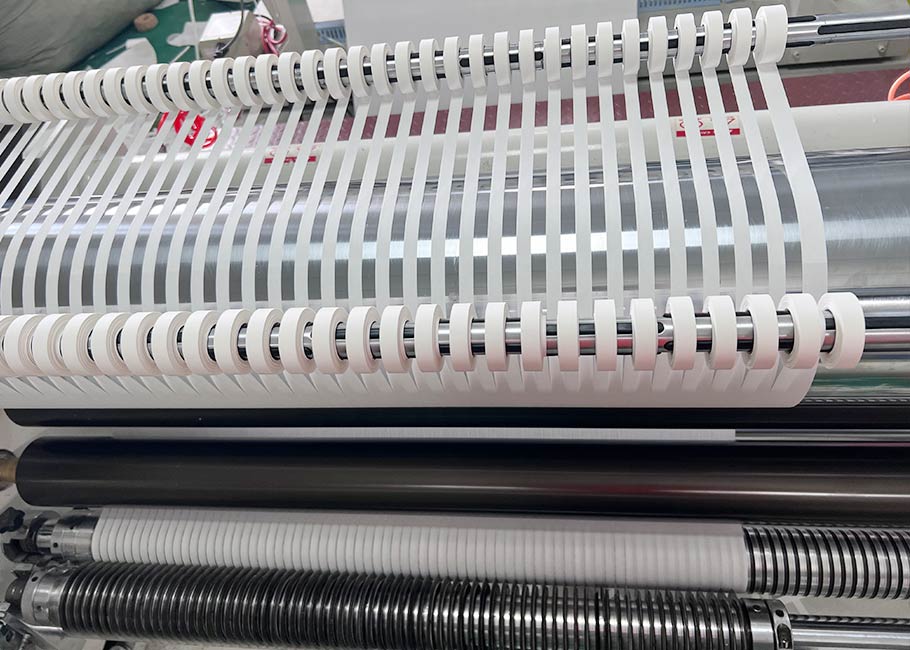
medical kraft paper is made from medical-grade fibers designed for controlled porosity and strength. When exposed to excess humidity, fibers absorb moisture and expand. This can cause several performance issues:
Reduced tear strength
Poor heat-seal quality
Curling or warping of sheets or rolls
Increased risk of microbial contamination due to compromised structure
Moisture can also affect sterilization compatibility, altering how the material behaves during steam, EO, or plasma sterilization. Understanding these risks helps organizations implement proper protective measures.
The most important factor in preventing moisture damage is maintaining stable temperature and humidity levels. medical kraft paper should be stored in an environment with controlled conditions, typically:
Relative humidity (RH): 40%–60%
Temperature: 18°C–24°C
Storing the paper outside these ranges increases the likelihood of moisture absorption or drying stress, both of which impact performance. Storage rooms should have ventilation, dehumidification systems, or climate control equipment that keeps conditions stable year-round.
To avoid thermal shock, the material should never be placed near heat sources, cold draft zones, or direct sunlight.
Even if the storage room has proper environmental controls, improper packaging exposes the material to humidity fluctuations. Factories and distributors use moisture-resistant outer packaging, such as:
Multi-layer kraft wrapping
Poly-coated protective films
Sealed carton boxes with desiccants
Heat-sealed protective bags
XINYUANSHUN’s medical kraft paper is shipped with protective packaging designed to block moisture during transit. Users should maintain this packaging until the moment of use to preserve its stability.
Floor moisture is a common but overlooked source of humidity. Especially in warehouses or hospitals with concrete floors, moisture wicks upward and affects any material stored directly on the floor.
Best practices include:
Using pallets to elevate the rolls or sheets
Avoiding placement in basement rooms
Ensuring the floor is clean, dry, and free from condensation
This prevents unexpected moisture absorption, especially during seasonal humidity changes or rainy periods.
Air circulation is essential to prevent trapped humidity. When rolls or reams are stacked without spacing, moisture can accumulate between layers.
To prevent this:
Leave gaps between stacked units
Limit vertical stacking height
Rotate stock periodically to maintain airflow
Ensure shelving units allow air circulation
These practices reduce the chance of uneven moisture exposure, which can cause localized damage.
Medical kraft paper should acclimate to the processing environment before being used in sealing, printing, or sterilization packaging lines. Moving material from a cool, dry warehouse to a warmer production room without adjustment can cause condensation or dimensional changes.
Acclimatization guidelines typically include:
Allowing 24–48 hours for rolls to reach room temperature
Keeping packaging closed during acclimatization
Avoiding immediate unwrapping in high-humidity conditions
Proper acclimatization ensures consistent heat-sealing and mechanical performance.
Factories and medical device manufacturers frequently use humidity monitoring tools to maintain consistent storage conditions. Useful tools include:
| Tool Type | Purpose |
|---|---|
| Hygrometers | Monitor real-time humidity levels |
| Data loggers | Record humidity variations over time |
| Moisture indicators | Detect exposure during transport |
| Desiccant packs | Absorb excess moisture |
Regular inspections help detect early signs of moisture damage such as softening, wrinkling, or seal-failure risks.
Medical kraft paper has optimal performance when used within its recommended shelf life. The FIFO method ensures older stock is used first, decreasing the likelihood of material degradation due to prolonged exposure to storage conditions.
FIFO also reduces the risk of inconsistent packaging quality during sterilization runs or medical kit assembly processes.
Preventing moisture damage is essential for maintaining the sterilization compatibility, barrier properties, and mechanical strength of medical kraft paper. Proper environmental control, protective packaging, airflow management, acclimatization, and staff training all contribute to stable performance. By integrating these practices, manufacturers and healthcare facilities ensure that medical packaging remains reliable and safe.
For organizations seeking consistent, high-quality materials, XINYUANSHUN’s medical kraft paper provides the durability and stability required in demanding medical environments.