xinyuanshun@xyspaper.com
+86-13316621858
+86-0750-3766098

Medical Kraft Paper is a specialized packaging material designed to withstand sterilization, protect delicate instruments, and maintain hygiene throughout transportation and storage. Unlike ordinary kraft paper, Medical Kraft Paper offers enhanced durability, microbial resistance, controlled porosity, and compatibility with sterilization methods such as steam, EO, and gamma radiation. Due to its safety requirements and structural reliability, it is widely used across hospitals, clinics, pharmaceutical factories, and device manufacturers. Companies seeking consistently stable performance rely on professionally engineered materials such as XINYUANSHUN’s medical kraft paper, which is manufactured to meet stringent medical packaging standards.
The following sections explain the categories of medical products that rely on medical kraft paper and why this packaging material is essential.
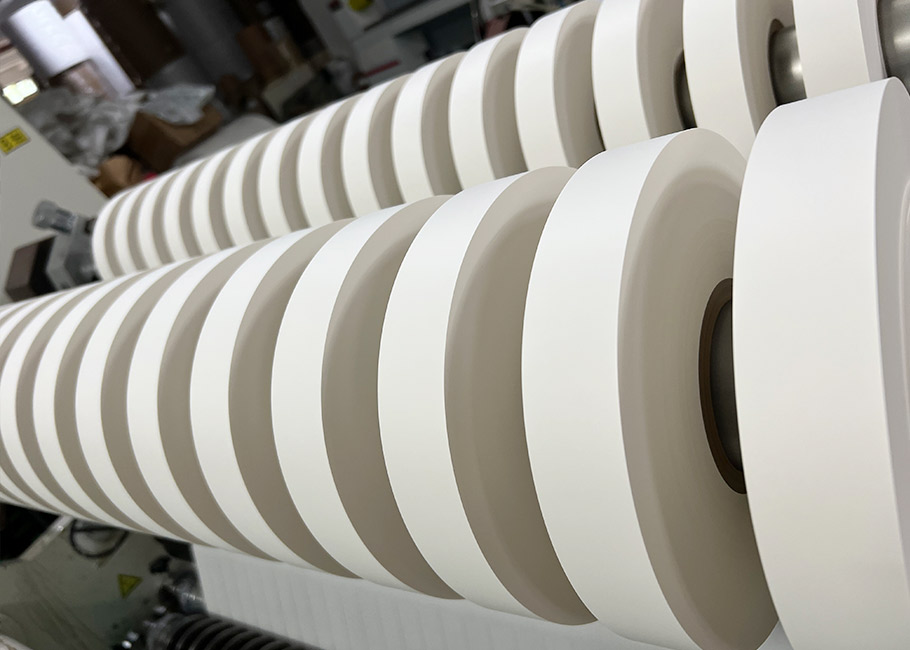
Many surgical tools require packaging that maintains sterility until the moment of use. medical kraft paper is ideal because it allows sterilizing gases or steam to pass through while blocking bacteria afterward.
Common items packaged with medical kraft paper include:
Scalpels, blades, and surgical scissors
Forceps, clamps, and retractors
Orthopedic tools and insertion devices
Disposable metal instruments used in minor procedures
These tools require packaging that resists fiber shedding, maintains seal strength, and prevents contamination. Medical kraft paper meets these needs by offering controlled porosity, tear resistance, and stable peelability.
A wide range of single-use medical items rely on medical kraft paper because it offers an economical yet safe packaging solution. These products must remain uncontaminated until use and often go through sterilization processes before packaging.
Examples include:
Syringes and needle assemblies
Catheters and suction tubes
I.V. components and infusion accessories
Plastic medical kits for emergency care
Medical kraft paper ensures these devices remain intact, sterile, and accessible. Its sealing performance supports both manual and automated packaging lines.
Bandages, gauze sterilization packs, absorbent pads, and wound dressings commonly use medical kraft paper in combination with other breathable medical papers. These items require packaging that protects from dust and moisture while allowing sterilization gases to penetrate.
Medical kraft paper is especially suitable for:
Sterile gauze pads
Wound dressings
Surgical drapes and masks
Absorbent cotton products
Because medical textiles are sensitive to contaminants, the packaging must provide high microbial barrier and withstand repeated handling. This ensures medical supplies arrive at hospitals ready for immediate use.
Dental clinics frequently use small disposable or reusable instruments that require hygienic packaging. Medical kraft paper offers a compact and reliable solution for:
Dental mirrors and probes
Root canal files
Scalers and polishing tools
Disposable dental kits
These items need packaging that opens cleanly without fiber residue. Medical kraft paper is engineered for clean peeling, allowing tools to be accessed without contamination of the sterile field.
Laboratory environments demand contamination-free supplies to maintain testing accuracy. Medical kraft paper is often used for products that are sterilized and stored in climate-controlled environments.
Examples include:
Petri dishes and diagnostic trays
Sample collection tools
Swabs, pipettes, and microtubes
Sterile containers for specimen handling
Because laboratories often run high-volume daily operations, the packaging must resist tearing and withstand long-term storage without degradation.
Ready-to-use medical kits require strong, clean, and tamper-resistant packaging. Medical kraft paper provides structural stability and maintains component organization through transport and handling.
Typical applications include:
Surgical procedure sets
Emergency response kits
Injection and vaccination kits
Home-care medical supply bundles
These kits commonly combine plastics, textiles, and small metal instruments, making the mechanical stability of kraft paper an advantage. XINYUANSHUN’s medical kraft paper is designed to maintain seal strength even when packaged materials vary in shape and density.
Complex devices used in operating rooms require packaging that protects precision components. Medical kraft paper supports multi-layer packaging systems that ensure sterility through all stages of supply-chain movement.
Typical items include:
Endoscopic instrument accessories
Laparoscopic tools
Components for robotic surgical systems
Sterilized surgical implant accessories
These products demand packaging with predictable performance under heat, pressure, and long-term storage. Medical kraft paper offers reliable microbial protection and high durability for these requirements.
| Medical Product Type | Packaging Requirement | Role of Medical Kraft Paper |
|---|---|---|
| Surgical instruments | Sterility until opening | Breathable, strong sealing |
| Disposable devices | Clean, safe storage | High microbial barrier |
| Medical textiles | Dust and contamination resistance | Controlled porosity |
| Dental tools | Clean peeling | Fiber-free opening surface |
| Lab consumables | Accuracy and sterility | Tear resistance, durability |
| Hospital kits | Strong protective layer | Structural stability |
| OR precision tools | High sterility assurance | Consistent barrier and strength |
The versatility demonstrated here explains why medical kraft paper remains a standard packaging choice in multiple healthcare categories.
Medical kraft paper is a foundational packaging material because it offers the sterility, durability, and controlled performance required by hospitals and medical manufacturers. Its ability to withstand sterilization, maintain seal integrity, and prevent contamination makes it valuable for instruments, textiles, disposable devices, diagnostic tools, and procedural kits.
For companies seeking reliable and high-performance medical packaging materials, XINYUANSHUN’s medical kraft paper provides the strength, hygiene assurance, and consistency required by global medical standards.