xinyuanshun@xyspaper.com
+86-13316621858
+86-0750-3766098

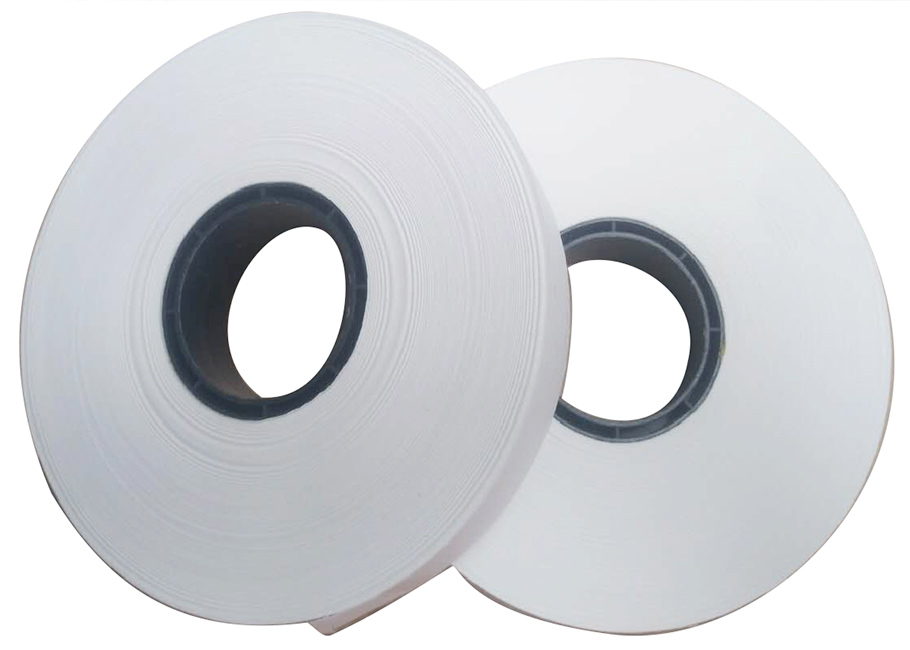
The global packaging and logistics sectors are undergoing major changes, and one of the fastest-growing product categories in 2026 is strapping tape. This includes Paper Strapping, composite tape, reinforced tape, and specialty corner tapes widely used in manufacturing, warehousing, transportation, and e-commerce fulfillment. As companies shift toward more efficient, sustainable, and automation-compatible packaging methods, strapping tape has become a necessary material rather than an optional accessory. Manufacturers such as XINYUANSHUN, with products like paper strapping tape, are seeing significantly rising inquiries because industries worldwide are adjusting to new operational standards and environmental expectations.
One of the strongest forces behind the rising demand is the continued global expansion of e-commerce. Online retail is expected to grow steadily across North America, Europe, Southeast Asia, and emerging markets, driving millions of daily shipments. Each parcel requires secure bundling, carton reinforcement, or strap-based closure.
E-commerce warehouses operate at high speed, and automated carton-forming and sealing equipment increasingly rely on strapping tape instead of traditional PP straps. Paper-based strapping products are especially attractive due to their ease of tearing, compatibility with automated systems, and recyclability. As a result, the packaging sector has begun shifting from plastic-only solutions toward lighter, cleaner alternatives such as those offered by XINYUANSHUN.
Environmental regulations are tightening in many countries, encouraging companies to transition away from plastics and toward biodegradable or recyclable materials. paper strapping tape aligns perfectly with these market demands because it replaces petroleum-based strapping and reduces landfill waste.
Governments and large corporations have introduced sustainability targets that prioritize:
Reduction of plastic use in consumer packaging
Adoption of recyclable, single-material packaging solutions
Lower CO₂ emissions across logistics chains
Strapping tape made from reinforced kraft or fiber materials meets these expectations while maintaining strength and reliability. This shift not only influences packaging practices but also pushes manufacturers to develop more eco-friendly strapping solutions, increasing overall market demand.
Automated packaging lines require consistent, stable, and machine-friendly materials. Strapping tape is widely used in automatic bundling systems because it feeds smoothly through machines and maintains consistent tension when applied.
Key automation drivers include:
Higher production speeds in food, textile, electronics, and printing industries
Prioritization of labor-saving technologies
Requirement for clean and low-dust packaging materials
Uniformity and repeatability in mass packaging processes
Paper strapping works exceptionally well in automated cutting and bundling equipment. XINYUANSHUN’s paper strapping products are engineered to be stable in machine operation, making them attractive to factories upgrading their automation setups.
Beyond warehousing, industrial sectors also contribute to the rising demand. Strapping tape is essential for bundling long or irregular materials such as aluminum profiles, wood planks, insulation rolls, and textile bundles. Compared with plastic strapping, reinforced paper tape is easier to remove, leaves no sharp edges, and does not damage surfaces.
Several industries are increasing consumption:
Furniture factories bundling components
Printing houses securing stacks of paper
Textile manufacturers organizing fabrics
Building material suppliers transporting insulated boards
Industrial buyers value strapping tape because it streamlines workflow and improves product protection without requiring heavy tension tools.
Companies are optimizing packaging to lower shipping costs, reduce waste, and improve handling. Heavy-duty straps sometimes create unnecessary weight or require specialized tools. Strapping tape solves these problems because it provides adequate strength with much lower material mass.
Benefits of lightweight packaging:
| Objective | How Strapping Tape Helps |
|---|---|
| Reduce material use | Requires less raw material than plastic straps |
| Lower freight costs | Lightweight and compact |
| Improve user experience | Easy to open without tools |
| Minimize warehouse space | Rolls store efficiently |
Lightweight trends are particularly strong in consumer goods, fashion, and electronics packaging—sectors experiencing rapid growth in 2026.
Modern strapping tapes are stronger and more versatile than earlier generations. Improved fibers, adhesives, and coating technologies enable tapes that withstand higher tension, better humidity resistance, and enhanced stability during transportation. Paper-based strapping now rivals plastic strap performance for many applications.
Manufacturers like XINYUANSHUN continue evolving their solutions by optimizing:
Tensile strength and tear resistance
Surface bonding for reliable adherence
Compatibility with corner tapes and bundling systems
Eco-friendly adhesives that meet environmental requirements
These improvements make strapping tape more appealing to industries aiming for reliable yet sustainable packaging.
Food processing, pharmaceuticals, cosmetics, and medical supplies demand exceptionally clean packaging materials. Strapping tape reduces contamination risks because it contains fewer particulates compared to traditional strapping bands. The absence of sharp edges also reduces the chance of damaging packaging surfaces or exposing products.
As hygiene regulations tighten in global supply chains, more companies are converting to clean, paper-based strapping solutions that support compliance.
Strapping tape does not necessarily require specialized tensioners or heavy machinery. Many factories and packing lines use simple hand-held dispensers or semi-automatic machines, lowering operational costs. Because of its simplicity, switching to paper strapping is economically attractive for small and medium-sized businesses.
This cost advantage allows wider adoption across developing markets in 2026, contributing to rising global demand.
The worldwide rise in demand for strapping tape results from a convergence of sustainability mandates, e-commerce expansion, automation growth, and improved material technology. Paper strapping in particular benefits from strong environmental appeal, efficient performance, and compatibility with modern packaging processes.
As industries move toward cleaner and more efficient packaging standards, XINYUANSHUN’s paper strapping solutions provide the durability, environmental compliance, and stability companies need in 2026. The trend shows no sign of slowing, and organizations across logistics, manufacturing, and retail packaging are expected to continue adopting strapping tape at increasing rates.