xinyuanshun@xyspaper.com
+86-13316621858
+86-0750-3766098

Hot melt tape is widely used in industrial packaging, logistics protection, and carton reinforcement because of its immediate bonding strength and stable performance across various environments. Yet one of the most frequently asked questions from users is whether hot melt tape needs to be heated during application. The term “hot melt” can cause confusion, as many people assume the tape must be warmed or activated by a heating tool. In reality, the manufacturing process involves heat, but the application process for end users usually does not. Understanding how hot melt adhesive technology works helps clarify why hot melt tape bonds instantly without requiring heating at the point of use. For industries that require edge protection, packaging stability, and durable adhesion, XINYUANSHUN provides high-quality solutions such as corner tape designed for fast, efficient, and reliable packaging reinforcement.
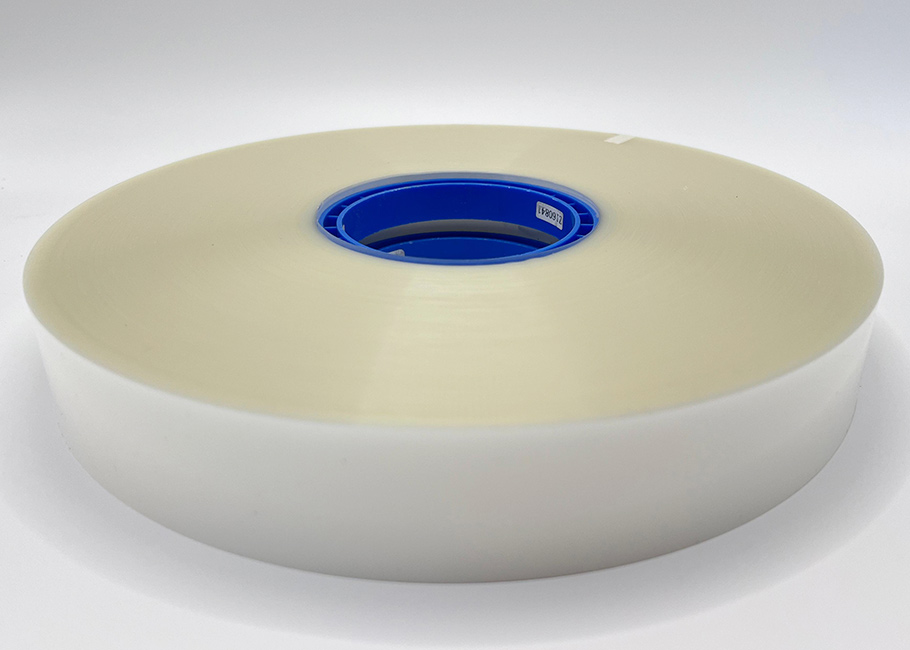
Hot melt tape is produced by applying molten adhesive onto a backing material under controlled temperatures. During production, the adhesive is heated to a liquid state and coated evenly across the tape’s surface. Once the adhesive cools, it solidifies into a pressure-sensitive layer that becomes tacky and activates when pressed onto a surface. Despite its name, the tape does not require heat during actual use. The bonding mechanism depends on pressure and surface contact rather than external heat sources.
This adhesive technology is valued because it maintains integrity during storage, shipping, and application, while providing immediate adhesion when applied to cardboard, fiberboard, or other packaging materials. XINYUANSHUN uses advanced adhesive formulations to ensure that our corner tape adheres effectively without additional tools, simplifying workflows for both manual and automated packaging lines.
Although hot melt adhesives are produced at high temperatures, once the tape has been manufactured, the adhesive becomes pressure-sensitive rather than heat-activated. This means the user only needs to press the tape firmly against the packaging surface for it to bond. No heating tools, hot air machines, or melting equipment are required.
In industrial environments where speed and efficiency are essential, eliminating the need for heat provides significant operational advantages. Workers can apply hot melt tape quickly, and packaging lines can incorporate corner tape or edge reinforcement without slowing down due to waiting times. XINYUANSHUN’s corner tape is specifically engineered for such fast-paced production needs.
While heat is not required during normal use, there are limited situations where warming the adhesive surface slightly can improve bonding performance. For example, extremely cold environments can reduce tackiness temporarily. If packaging is stored in freezing conditions, the adhesive surface may benefit from light warming—not melting—before application. This is not a requirement but rather an optional enhancement for special temperature-sensitive environments.
These considerations can be explained through the following table:
| Condition | Impact on Adhesive | Recommended Action |
|---|---|---|
| Normal temperature | Optimal tackiness | Apply directly without heating |
| Cold storage areas | Reduced initial tack | Warm tape slightly (not melt) |
| High humidity | Surface moisture may interfere | Ensure surface is dry |
| Rough surfaces | Lower surface contact | Apply extra pressure |
This table shows that external heating is not part of standard usage, and any optional warming is only for environmental compensation rather than activation.
Pressure-sensitive hot melt adhesive technology offers benefits that make it suitable for high-volume packaging operations. The adhesive layer quickly forms a mechanical bond with surface fibers of cardboard or paper-based materials, resulting in strong reinforcement.
One major advantage is speed. Because no drying time or heat activation is required, workers or automated equipment can apply corner tape in seconds. Another advantage is bonding reliability. Hot melt adhesives maintain their holding strength across various temperatures once applied.
XINYUANSHUN develops hot melt corner tape with stable polymer structures that ensure long-term durability. Our corner tape retains adhesion even under transport vibration, stacking pressure, or repeated handling.
Many users confuse hot melt tape with heat-activated tapes such as shrink tape or thermal sealing films. These products require heat guns or specialized machinery to activate bonding. Hot melt tape and heat-activated tape serve different functions and operate through different mechanisms. The difference can be summarized below:
| Type of Tape | Activation Method | Typical Use |
|---|---|---|
| Hot melt tape | Pressure | Carton reinforcement, corner protection |
| Heat-activated tape | Heat or thermal equipment | Heat sealing, shrink wrapping |
| Pressure-sensitive tape | Manual pressure | General packaging |
| Water-activated tape | Moisture | Heavy-duty carton sealing |
As the chart shows, hot melt tape fits into the pressure-sensitive category after production, eliminating the need for thermal equipment during application.
Corner reinforcement requires strong adhesion with minimal material deformation. Hot melt adhesives provide strong bond strength and resistance to tearing, which makes them suitable for protecting vulnerable box edges and corners. The adhesive layer integrates well with corrugated fibers, creating reinforced structural integrity.
In logistics and export packaging, reinforced corners reduce the risk of crushing during stacking, forklift movement, or long-distance transportation. XINYUANSHUN’s transparent corner tape is developed specifically to enhance box strength in such demanding environments.
Even though heating is unnecessary, proper application techniques can enhance bonding strength. Applying firm pressure ensures that the adhesive spreads over micro-gaps on the carton’s surface. Clean, dry surfaces also promote better adhesion. When applied with automated machinery, tape tension and pressure settings contribute to consistent performance.
For manual applications:
Press the tape firmly along the entire corner
Ensure the box surface is clean and dry
Avoid applying in extremely cold conditions without acclimation
Use continuous, smooth movements to maintain adhesion quality
These techniques ensure optimal results without relying on heating equipment.
As a supplier specializing in new material technology and packaging solutions, XINYUANSHUN provides reliable, high-strength corner reinforcement tapes designed for professional use. Our production processes emphasize quality control, ensuring consistent adhesive coating and backing strength.
Key advantages of our corner tape include:
Uniform adhesive coating for stable bonding
High transparency for clean visual presentation
Strong tensile strength to protect carton corners
Compatibility with manual and automated packaging systems
Performance reliability across transport and handling environments
Our factory’s integrated production capabilities allow us to meet high-volume orders while maintaining exceptional material quality.
Hot melt tape does not need to be heated during use. Although heat is used during the manufacturing process to apply and stabilize the adhesive layer, the final product functions as a pressure-sensitive tape. Users apply it simply by pressing it onto the surface, making it a fast, efficient, and reliable packaging solution. Heating may only be beneficial under unusual cold conditions but is not required for activation.
For logistics companies, factories, and e-commerce warehouses, choosing a high-quality hot melt tape ensures strengthened carton corners, reduced transport damage, and improved packaging durability. XINYUANSHUN’s corner tape is engineered to deliver consistent performance across demanding environments, providing a professional solution backed by advanced material research and manufacturing capabilities.
Previous: What Is OPP Film?