xinyuanshun@xyspaper.com
+86-13316621858
+86-0750-3766098

Kraft Paper is one of the most commonly used packaging and industrial materials worldwide, known for its natural strength, flexibility, and recyclability. However, whether kraft paper functions as a vapor barrier depends on its composition and whether it has been coated or laminated with moisture-resistant layers.
This article explains what kraft paper is, what materials are used to make it, its properties and advantages, and whether it can act as an effective vapor barrier.
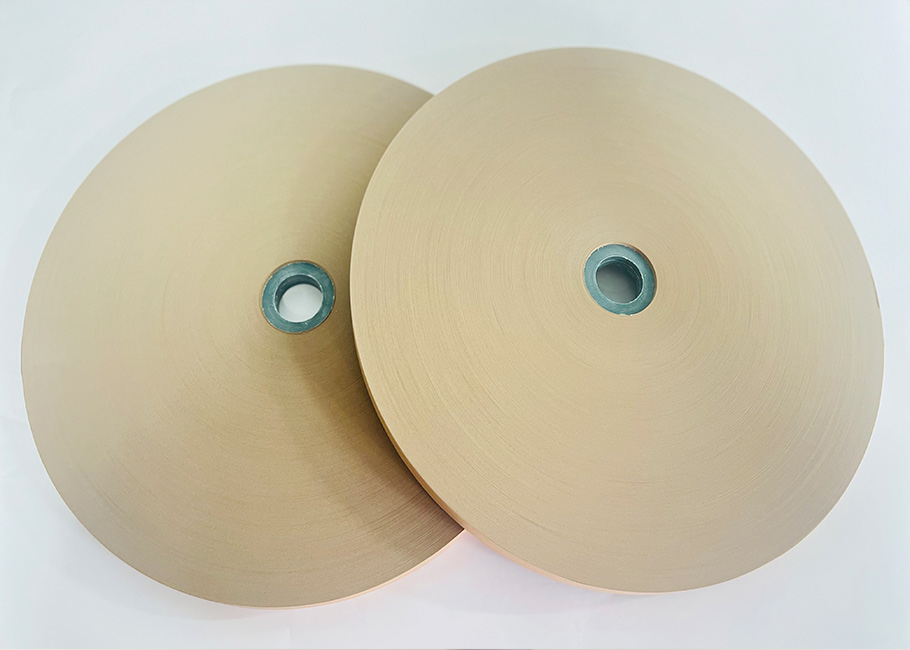
Kraft paper is a high-strength paper produced through the kraft pulping process, where wood fibers are chemically treated to remove lignin and impurities, leaving behind long cellulose fibers. These long fibers create a dense, durable sheet with high tear and burst resistance.
Kraft paper can be natural brown (unbleached) or white (bleached), and it comes in different weights and finishes for use in packaging, wrapping, insulation, and industrial lining applications.
| Type | Color/Finish | Features | Typical Use |
|---|---|---|---|
| Natural brown kraft | Brown, uncoated | High strength, eco-friendly | Wrapping, bags, envelopes |
| Bleached kraft | White, smooth | Clean appearance, printable | Labels, packaging |
| PE-laminated kraft | Brown or white with PE coating | Moisture-resistant, semi-barrier | Food and industrial packaging |
| Waxed or aluminum-coated kraft | Glossy surface | Vapor and grease barrier | Insulation, construction |
The kraft paper shown in the images includes both plain and laminated rolls, which can be customized in width and thickness according to user requirements.
Kraft paper is primarily composed of natural wood pulp fibers combined with small amounts of additives to enhance flexibility and durability. Depending on the application, it may include the following layers or treatments:
Base Material: 100% virgin wood pulp or recycled pulp
Lamination Material (optional): PE (polyethylene), aluminum foil, or wax
Coatings: Water-resistant or vapor-resistant coatings depending on industry standards
For industrial applications like PE-laminated kraft paper, the paper is coated with a thin polyethylene film that enhances its water resistance and provides a partial vapor barrier. This combination of Paper and PE, as shown in the specification table, can be tailored through OEM/ODM customization for specific industries.
Pure kraft paper is not a complete vapor barrier. While it offers some resistance to air and moisture vapor due to its fiber density, it is still porous enough to allow vapor transmission. It may absorb humidity and weaken under prolonged exposure to moisture.
Therefore, plain kraft paper alone cannot serve as an effective vapor barrier in applications such as insulation or food packaging.
When kraft paper is laminated with polyethylene (PE), aluminum foil, or wax, it can function as a vapor barrier.
PE-laminated kraft paper provides moisture and vapor protection, ideal for packaging materials, insulation wraps, or composite linings.
Aluminum-coated kraft paper offers the highest vapor and heat resistance, often used in building insulation, HVAC ducts, and reflective packaging.
| Type of Kraft Paper | Vapor Barrier Ability | Typical Application |
|---|---|---|
| Uncoated kraft paper | Low | General wrapping, printing |
| PE-laminated kraft paper | Moderate to high | Packaging, insulation, industrial use |
| Wax-coated kraft paper | Medium | Food wraps, moisture control |
| Aluminum-laminated kraft paper | Very high | Construction, vapor barrier insulation |
Thus, whether kraft paper acts as a vapor barrier depends on its lamination structure—the base kraft layer provides mechanical strength, while the coating determines the level of vapor protection.
Kraft paper has excellent tear and tensile resistance, making it ideal for heavy-duty wrapping, industrial rolls, and carton liners.
Uncoated kraft paper is 100% recyclable and biodegradable, produced from renewable wood fibers. Even laminated versions can be made using recyclable PE coatings or water-based adhesives to reduce environmental impact.
The surface can be easily printed or customized with branding, labels, or instructions, which is beneficial for both consumer packaging and industrial labeling.
Manufacturers can customize roll width, thickness, and color according to customer requirements, ensuring compatibility with various production machines.
By adjusting the coating or lamination, kraft paper can be adapted for moisture-proof, vapor-proof, or oil-resistant applications—making it suitable for packaging, construction, and electronics industries.
| Feature | Benefit | Industry Use |
|---|---|---|
| High tensile strength | Handles mechanical stress | Industrial packaging |
| Recyclable material | Sustainable, eco-friendly | Paper and packaging |
| Customizable coating | Improves vapor and moisture barrier | Food and insulation |
| Print-friendly | Suitable for labels and branding | Retail packaging |
| Adjustable size | Fits production lines | OEM/ODM industrial supply |
Kraft paper by itself is not a true vapor barrier, but when laminated or coated with PE, wax, or aluminum foil, it becomes a high-performance moisture and vapor-resistant material. Its versatility, strength, and eco-friendliness make it a staple choice across industries ranging from packaging to construction.
For manufacturers and converters, kraft paper offers a perfect balance of mechanical durability, environmental sustainability, and customization potential—especially when combined with functional coatings to meet vapor control requirements.
Previous: What Is Laminated Paper