xinyuanshun@xyspaper.com
+86-13316621858
+86-0750-3766098

For retail packaging suppliers, industrial factories, converters, and distributors, roll length is not just a size detail. It directly affects packing speed, material waste, warehouse planning, shipping cost, and how often workers need to stop and replace a roll. A roll that is too short may look cheaper at first, but it can create more interruptions in daily packaging work.
That is why many B2B buyers ask this question before placing bulk orders: how long should a roll of wrapping paper be for our packaging process? The answer depends on how the paper will be used, how fast the packing line runs, how large the wrapped goods are, and how much storage space the buyer can manage.
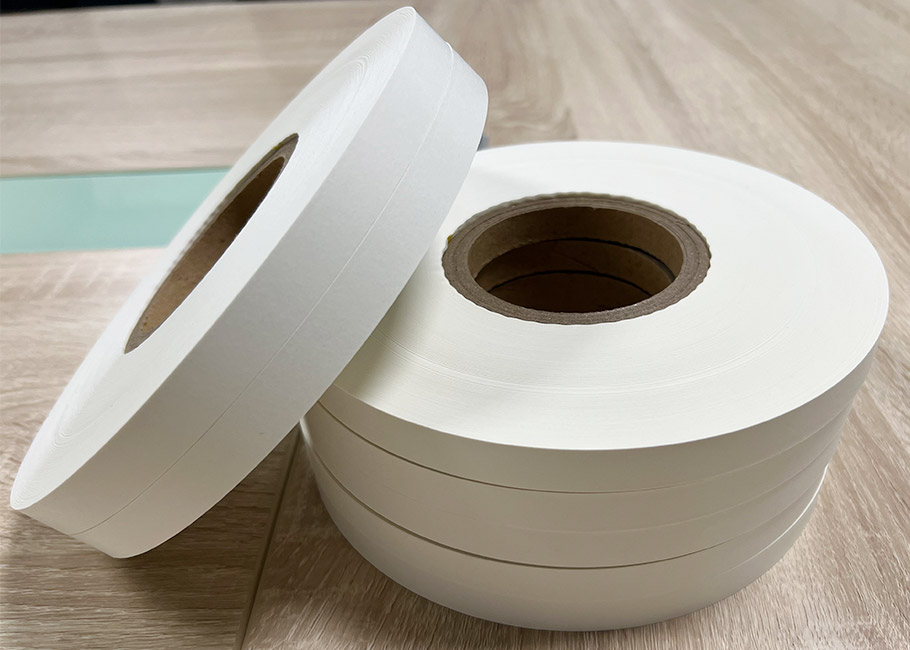
For buyers sourcing giant wrapping paper rolls, the real value is not only in getting more paper on one roll. It is about keeping packaging work smoother, reducing frequent roll changes, and making material use more predictable.
In small retail packing, short rolls may be enough. But in industrial packaging, hardware wrapping, printing protection, electroplating parts, metal sheet separation, or general product packaging, paper is used more frequently and in larger amounts. If the roll length is too short, workers need to change rolls often, which slows down the process.
For factories that pack products every day, this interruption is easy to overlook during purchasing but very obvious on the floor. Every roll change takes time. If the paper is used on a cutting table, packing bench, or semi-automatic wrapping process, short rolls can also make material control harder.
A longer roll helps the packing team work for a longer period without stopping. For distributors, it also makes the product more attractive to industrial buyers who care about stable supply and lower handling frequency.
Roll length should be planned together with paper width and thickness. If the roll is long but the width does not match the product size, buyers may still waste material. If the paper is too narrow, workers may need to overlap more layers. If it is too wide, trimming waste may increase.
Our white kraft wrapping paper can be customized by width and thickness according to customer requirements. This is useful for buyers who serve different industries, because packaging needs are not the same for metal parts, printed goods, electronic hardware, industrial components, or general product wrapping.
For giant wrapping paper rolls, buyers should not only ask for maximum roll length. A better approach is to review the product size, wrapping method, cutting habit, and storage condition together. When the width and length are matched properly, the paper is easier to use and waste is easier to control.
A roll of wrapping paper is part of daily consumable stock. If the buyer underestimates roll length, the warehouse may run out faster than expected. If the buyer orders too many short rolls, storage becomes messy and handling work increases.
Longer rolls can help procurement teams plan usage more clearly. For factories with regular packaging demand, the purchasing team can estimate monthly consumption based on roll length, roll weight, and daily packing volume. This makes replenishment easier and reduces the risk of emergency purchasing.
For wholesalers and packaging distributors, long rolls can also improve resale value. Many industrial customers prefer Packaging Paper that is ready for continuous use rather than small rolls that need frequent replacement.
A longer roll is useful only when the paper quality is stable. If the paper tears easily, breaks during bending, or has uneven thickness, the roll length cannot solve the real problem. In B2B packaging, buyers need both usable length and reliable paper performance.
White kraft wrapping paper is often selected because it has good toughness, tight fiber structure, flexibility, and a certain thickness. These qualities help the paper fit around different product shapes and provide surface protection during packing, handling, storage, and transport.
For industrial packaging buyers, this is especially important. The paper may be used to protect metal surfaces, separate parts, wrap printed products, or reduce friction during movement. Stable paper quality helps workers pack faster and reduces damage risk during circulation.
Before ordering wrapping paper rolls in bulk, buyers should review a few practical details:
Required roll length for daily use
Paper width based on product size
Thickness needed for protection
Cutting or dispensing method
Warehouse storage conditions
Carton or roll packing requirements
Monthly consumption volume
Application industry and product surface sensitivity
These points make quotation and production planning clearer. They also help avoid buying rolls that look suitable on paper but do not match the real packaging process.
The length of a wrapping paper roll should be decided by packaging speed, product size, material waste, storage planning, and daily handling needs. For industrial buyers, longer rolls can reduce interruptions and make packaging work easier to organize, but the paper must also have stable strength, flexibility, and thickness.
When sourcing giant wrapping paper rolls, it is worth reviewing how the paper will move through your packing area, not only how many meters are on one roll. If your team is dealing with frequent roll changes, uneven cutting waste, or packaging delays, we can help you look at width, thickness, roll length, and application needs together, so the paper roll fits the actual way your factory or distribution team works.