xinyuanshun@xyspaper.com
+86-13316621858
+86-0750-3766098

At first glance, butcher paper looks like a very simple product. Many buyers first care about price, roll width, or paper color. In real business, that is usually not enough. The same paper that works well for one market may not work well for another. A food service buyer, a meat packaging distributor, a deli supply importer, and a retail brand often expect very different things from the same material.
That is why custom butcher paper has become more important in recent years. Buyers are no longer only asking for paper in a standard roll. They want a material that matches how the product will actually be used, packed, displayed, and shipped. Our butcher paper direction fits this demand well because it is easier to adapt to different sales channels, packaging methods, and end markets than many buyers first expect.
One of the most common sourcing mistakes is treating every butcher paper order as if the end use were the same. In practice, it rarely is.
Some customers need paper mainly for food wrapping in daily service. Some want it for meat handling and back-of-house use. Some use it for takeaway packaging or deli counter presentation. Others care more about the paper as part of a branded packaging experience. Once the real market is different, the paper requirements usually change as well.
That is why custom supply matters. The paper has to fit the job it is meant to do, not just match a general category name.
In this category, customization often starts with something basic: size.
A buyer working with high-volume wrapping stations may need one roll width. A smaller food retail business may need another. Some customers are trying to match existing dispensers. Others are trying to improve workflow and reduce material waste. In those cases, choosing a standard size without thinking about actual use often creates unnecessary cost later.
This is one of the reasons custom orders can make more sense than stock-only supply. A better-matched roll usually helps the packaging process run more smoothly and reduces handling frustration for the end user.
Not every customer buys butcher paper only for protection. In many markets, presentation matters too.
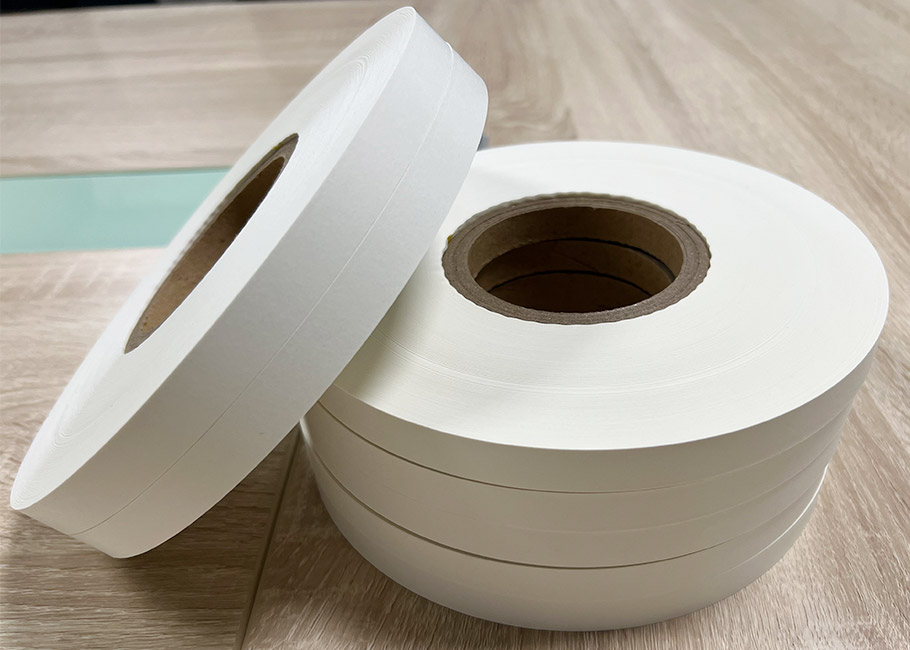
A plain natural kraft look may work well in some packaging environments because it feels simple and practical. In other channels, especially where display or branding matters, a white butcher paper roll may fit better because it looks cleaner, brighter, and easier to align with a brand image.
This is especially true in food retail, takeaway packaging, deli presentation, and private label supply. Even when the paper serves the same basic purpose, the visual impression can change how the product is received in the market.
For some buyers, the next step after size and color is printing.
That does not always mean heavy branding. Sometimes the most useful custom print is very simple. It may be a logo, a product line mark, a handling note, or a basic repeat pattern that supports brand identity. In other cases, printing helps the paper feel less generic in retail packaging and more connected to the customer’s market.
For B2B buyers, this kind of customization can make the product easier to sell without changing the whole packaging system. It keeps the paper practical, but gives it more value in the final presentation.
A wholesale distributor, a food packaging importer, and a private label brand do not usually buy with the same priorities.
A wholesaler may care most about stable supply, practical pricing, and repeat consistency. A private label buyer may focus more on surface look, print result, and packaging presentation. A factory or food service customer may care most about roll compatibility, usage efficiency, and low waste.
This is why custom butcher paper works best when the supplier understands where the product is going. The same material may need a different conversation depending on whether it is entering industrial packaging, food service supply, retail shelves, or export distribution.
In this category, good customization is usually simple and useful.
It might be a width that matches equipment better. It might be a cleaner color for the target market. It might be custom printing that improves brand recognition. It might be packaging that works better for export shipment or warehouse handling.
The goal is not to make the paper more complicated. The goal is to make it easier to use and easier to sell. That is usually what separates a useful OEM or ODM project from one that only adds cost.
A sample can look fine and still not represent the real order.
This is one of the most common concerns in paper supply. Buyers want to know whether the roll quality, thickness feel, winding consistency, print result, and packaging condition will stay stable when the order volume increases. In real B2B work, repeat consistency matters more than one attractive sample.
That is why serious buyers usually ask practical questions early. Can the supplier keep the same paper feel in future orders. Can the printed result stay stable. Can the roll dimensions remain consistent enough for regular use. These questions matter more than a low first quote.
One reason this product category keeps growing is that it is flexible.
It can serve food wrapping, meat packaging, deli use, takeaway packaging, retail presentation, and branded supply programs. That wider application gives buyers more room to position the same material in different ways. It also makes the product easier to develop into a longer-term packaging line instead of treating it as a one-time purchase.
For importers and distributors, that flexibility reduces risk. For private label buyers, it creates more room for differentiation. For factories and commercial users, it improves fit with real packaging routines.
Custom butcher paper fits different markets when the changes are based on how the product will actually be used. Size, color, print, roll format, and packaging all matter, but only when they help the paper fit the buyer’s real market and workflow better.
Our butcher paper supply direction is suitable for customers who want more than a standard roll with a basic quotation. If you are planning a wholesale order, developing a private label packaging line, or looking for a supplier that can support practical OEM or ODM work, send us your requirements. We can help you sort through the key details early and find a solution that is easier to use, easier to sell, and easier to reorder.