xinyuanshun@xyspaper.com
+86-13316621858
+86-0750-3766098

When people search for how to separate lithium from batteries, they are often thinking about recycling, material recovery, or battery dismantling. But in real battery manufacturing and battery safety work, separation starts much earlier than recycling. Inside a lithium-ion battery, the positive and negative sides must stay apart while lithium ions still move between them during charging and discharging. That is exactly where the separator matters.
This is why the topic is more important than it first appears. Before lithium can be used efficiently, stored safely, or recovered later in the battery value chain, the battery itself must rely on a stable internal separation structure. Our product is made for that role. As a supplier, we provide lithium battery separator material that supports insulation inside the cell while still allowing ion transfer. For buyers developing battery materials, battery components, or custom supply programs, this is one of the parts that directly affects consistency and safety.
A lithium-ion battery cannot work properly if the internal layers are not controlled well. The positive electrode and negative electrode must remain separated. At the same time, lithium ions need a path to move through the electrolyte during charge and discharge. If that balance is not handled correctly, the battery can lose efficiency, become unstable, or face a much higher risk of internal short circuit.
That is why the idea of separation is not only about recycling plants or end-of-life batteries. It is also part of the original battery design. In practical terms, lithium is not simply sitting loose inside the battery waiting to be removed. It moves through a carefully controlled electrochemical system. The separator is one of the parts that helps keep that system working in a safe and predictable way.
For buyers, this point matters because separator quality is tied to battery structure, battery performance, and production stability. A weak separator can create problems that are hard to fix later. Once a battery enters volume production, inconsistency in materials can quickly turn into a much larger issue.
The short answer is that lithium itself is not separated by one single mechanical barrier in the way many people imagine. What is really separated are the battery electrodes. The separator sits between them and prevents direct contact while still allowing ions to pass through the electrolyte. That is why the separator is such a key material in lithium-ion battery construction.
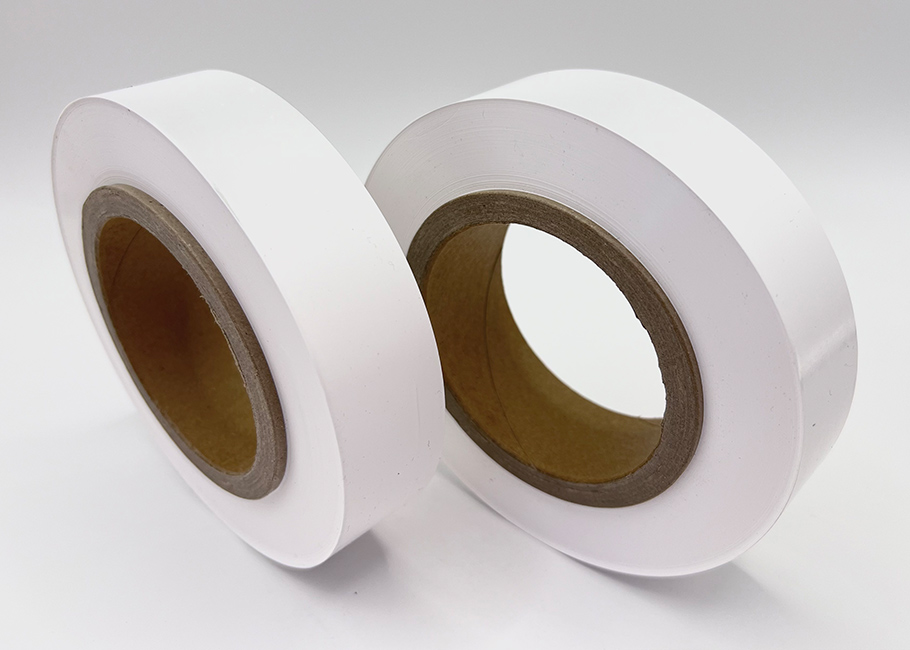
Our product fits directly into this point. It is used as an internal separation layer for lithium-ion batteries, helping keep the positive and negative sides apart while supporting normal charge and discharge behavior. The material system uses PP and PE, which are common choices in this field for separator production, and the width and thickness can be adjusted according to application needs. OEM and ODM support is also available for buyers with different product plans or process requirements.
This is where separator film for lithium ion batteries becomes more than a technical term. For manufacturers, importers, and industrial buyers, it is a material decision that affects downstream quality control, processing stability, and customer trust.
In many supply projects, the separator is not the most visible part of the battery, but it is often one of the parts that buyers ask about once they move beyond price. That is because the separator affects insulation, pore structure, process matching, and mechanical behavior during battery assembly.
Most serious buyers are not only looking for a material that can be delivered. They want one that can be delivered consistently. They want reliable thickness control, stable supply, practical customization, and clear communication during development. This is especially true in OEM and ODM business, where one project may need a slightly different specification from another.
A supplier that understands these concerns is usually more valuable than one that only offers a basic stock item. In battery materials, small variation can create large downstream trouble. That is why many buyers focus on long-term cooperation, not just the first sample.
The title asks how to separate lithium from batteries, and that usually leads people to recycling. In recycling work, lithium recovery involves a much more complex process than simply opening a battery and pulling the lithium out. The battery first has to be discharged, dismantled, and processed safely. Different materials inside the cell are then treated through mechanical, thermal, or chemical routes depending on the recycling method.
Even so, the internal separator still matters in the bigger picture. A battery that starts with better internal structure is easier to evaluate, more stable in use, and often more predictable across production batches. In other words, proper separation inside the battery does not replace later recycling, but it supports the whole product lifecycle from manufacturing to end use and eventually to recovery.
That is why buyers working in battery supply chains often look beyond a single stage. They care about how materials behave during production, storage, use, transport, and later dismantling. A dependable separator film for lithium ion batteries helps support that broader chain.
In this market, the usual pain points are familiar. One is inconsistent quality between sample and bulk order. Another is poor communication when buyers need custom width, thickness, or packaging details. Some buyers also face delays when a supplier cannot keep specifications stable during repeat orders. Others struggle when they need OEM or ODM support and the response is too limited.
These are not minor issues. In battery-related materials, delays and inconsistency can affect testing schedules, pilot runs, and customer delivery plans. Buyers do not only need a separator supplier. They need a partner who understands that every detail can influence later manufacturing results.
This is why many professional buyers prefer to work with a supplier that can discuss application needs clearly, support customization, and maintain a more stable supply process. When the product is technical, communication is part of the product value.
Before placing an order, buyers usually need to look at more than one performance point. Material type matters. Thickness and width control matter. Packaging protection matters. It also helps to know whether the supplier can handle customized requirements for different battery uses.
Just as important is whether the supplier can support long-term cooperation. For some buyers, the first order is only a trial. What really matters is whether later orders remain consistent. That is where production management, technical response, and OEM / ODM capability become part of the buying decision.
Our product is positioned around those practical needs. It supports custom dimensions and OEM / ODM development, which makes it more suitable for buyers who are building their own battery material program or matching different downstream requirements.
If you ask how to separate lithium from batteries, the deeper answer begins inside the battery itself. Safe and effective battery design depends on keeping the positive and negative sides apart while allowing lithium ions to move normally through the system. That is why the separator is such an important part of lithium-ion battery structure.
For buyers, this is not only a technical detail. It is a sourcing decision tied to quality, safety, and production consistency. A reliable separator film for lithium ion batteries can help support better battery assembly, smoother customization work, and more stable supply for OEM and ODM projects.
If you are reviewing separator options, comparing specifications, or planning a custom battery materials program, feel free to contact us. We can help you look at the application, discuss suitable separator solutions, and provide practical support for your sourcing plan.