xinyuanshun@xyspaper.com
+86-13316621858
+86-0750-3766098

You can use duct tape on a package, but that does not always mean it is the right choice. Duct tape is strong and widely available, so many people reach for it when they need a quick fix. But packaging is not just about sealing something shut. In real shipping and industrial use, packaging needs to protect the product, stay stable during transport, and remain easy to handle when it arrives.
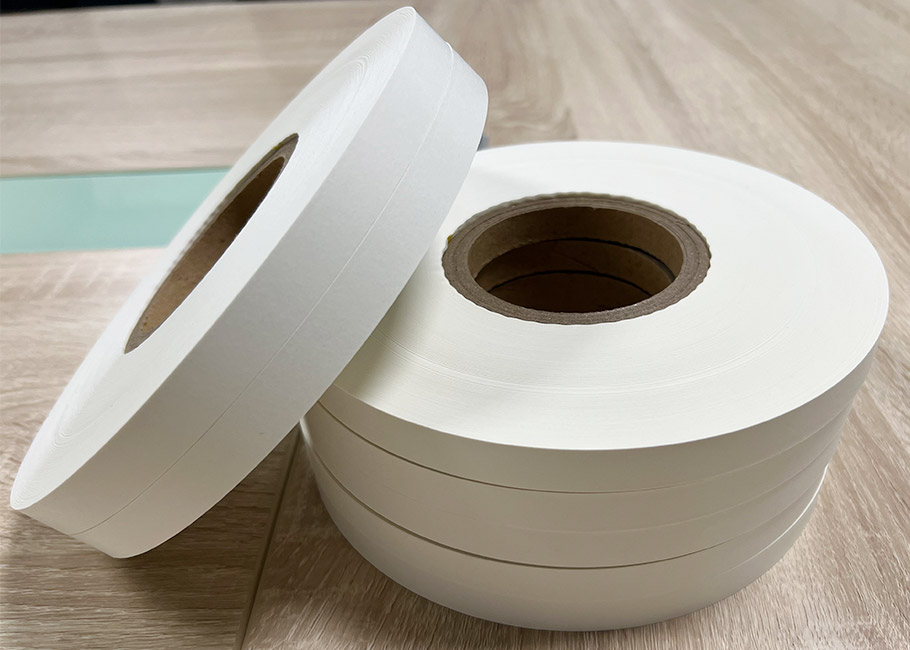
That is why many buyers start with this simple question and end up looking for a better solution. In many cases, the issue is not whether the tape can hold. The issue is whether the packaging material fits the product and the process. This is where a White kraft butcher paper Roll becomes a more practical option. It does not rely on adhesive bonding. Instead, it focuses on separation, protection, and consistent handling across different stages of packaging.
Duct tape was originally made for repair and reinforcement, not for structured packaging systems. It sticks aggressively, which sounds useful, but that can create problems in real use. Once applied, it can leave residue on surfaces, make unpacking more difficult, and create unnecessary contact between the adhesive and the product itself.
For simple household shipping, this may not matter much. But for industrial packaging, it quickly becomes a concern. Buyers dealing with metal parts, coated surfaces, printed materials, or finished goods usually want to avoid any risk of contamination or surface damage. That is why duct tape is rarely the first choice in professional packaging environments.
When this question comes up in B-end sourcing, the real concern is reliability. Buyers are thinking about how the packaging performs over time, not just at the moment it is sealed. They are considering transport conditions, storage environments, stacking pressure, and unpacking efficiency.
A material that sticks well but creates issues later is not a good solution. For many industries, the goal is not to glue things together. It is to keep products separated, clean, and protected throughout the entire process. That is why the focus often shifts from adhesive strength to material stability.
In many packaging workflows, especially in manufacturing and export, products do not need to be bonded. They need to be separated. They need a barrier that prevents scratching, reduces friction, and absorbs small amounts of moisture without damaging the goods.
This is exactly where a White Kraft Butcher Paper Roll becomes useful. It works as a protective layer between products instead of an adhesive solution. That makes it easier to use for stacking, wrapping, or layering goods without creating extra cleanup work later. It also helps reduce direct surface contact, which is important for items that require a clean finish.
A strong tape may hold a package closed, but packaging involves more than one type of stress. Materials are exposed to humidity, temperature changes, pressure from stacking, and long periods of movement during transport. If the packaging material cannot handle these conditions, problems appear later.
Paper-based materials offer a different kind of advantage. They do not rely on heat activation or pressure-sensitive adhesives. Instead, they provide consistent structure, flexibility, and protection. A Kraft Paper roll can maintain its performance without softening, leaking adhesive, or losing function in changing environments.
For buyers, this means fewer surprises during shipping and fewer complaints after delivery.
A White Kraft Butcher Paper Roll is not limited to one application. It can be used across a wide range of industries where product protection is important. In manufacturing, it can separate metal parts or processed components. In printing, it can protect surfaces from scratching or smudging. In logistics, it can help stabilize stacked goods during storage and transport.
This flexibility makes it easier for distributors and wholesalers to position the product in different markets. Instead of offering a single-purpose packaging item, they can provide a solution that fits multiple use cases. That kind of adaptability is valuable when building long-term supply relationships.
Packaging is rarely one-size-fits-all. Different products require different widths, thicknesses, and formats. Some buyers need narrow rolls for smaller components, while others need wider material for larger goods. Some need stronger paper for heavier items, while others prefer lighter options for easier handling.
That is why OEM and ODM support plays an important role. A supplier that can adjust specifications makes it easier for buyers to match the material to their actual process. Instead of adapting the production line to the packaging, the packaging can be tailored to fit the workflow. This helps reduce waste, improve efficiency, and create a more stable supply chain.
It is easy to compare packaging materials by price, but experienced buyers know that cost goes beyond the initial purchase. If the material causes damage, slows down packing, or leads to complaints after delivery, the real cost becomes much higher.
That is why many buyers focus on performance, consistency, and long-term usability. A material that protects products properly and works smoothly in daily operations often provides better value than a cheaper option that creates extra problems.
Even a reliable packaging material needs to be stored correctly. Excessive humidity, high temperatures, or poor ventilation can affect how materials perform over time. Keeping packaging materials in a stable environment helps maintain their quality and ensures they perform as expected during use.
For distributors and warehouse operators, this is part of maintaining product consistency. Good storage conditions help avoid unexpected issues and support smoother operations later.
So, can you use duct tape on a package? Yes, but in many professional packaging situations, it is not the best solution. Packaging is not only about sealing. It is about protecting the product, supporting the process, and ensuring a smooth experience from packing to unpacking.
A White Kraft Butcher Paper Roll offers a more practical approach for many industrial and commercial applications. It provides clean separation, stable performance, and greater flexibility across different packaging needs. If you are sourcing packaging materials for wholesale, OEM, or ODM projects, feel free to reach out with your requirements. We can help you find a solution that fits your workflow and supports your business more effectively.
Previous: