xinyuanshun@xyspaper.com
+86-13316621858
+86-0750-3766098

When people ask what temperature does packaging tape melt, they are usually trying to solve a practical packaging problem, not ask a chemistry question. They want to know whether the tape will fail in heat, whether it can handle transport and storage, and whether it is the right choice for bundling work that needs both speed and strength. That is why this topic matters not only to end users, but also to distributors, factory buyers, packaging importers, and private label companies looking for a more dependable packaging material.
This is where Hot Melt Packaging Tape comes into the discussion naturally. In real packaging work, buyers are not simply choosing a tape that sticks. They are choosing a material that can be heated during application, bond firmly after cooling, and stay stable through storage, transport, and daily use. For B-end customers, the real value is not just whether the tape melts. It is whether the tape performs well in the full packaging process.
At first glance, the word melt sounds simple. But in packaging, it can mean different things. Some buyers are worried about whether the tape will soften in hot warehouses or containers. Others are asking whether the tape needs heat during use. Some are actually trying to understand whether the product is suitable for automated bundling and sealing lines.
That is why this question needs a practical answer. Packaging tape should not be judged only by the word melt. Buyers need to think about application method, material structure, transport conditions, storage environment, and the final use of the packaged goods. A tape that works well in one packaging system may not be the right choice in another. In B-end sourcing, these details matter because they affect packaging consistency, labor efficiency, and product safety during shipment.
Hot melt tape is different from ordinary pressure-sensitive tape. It is designed to be heated during use so the adhesive layer can soften, flow, and bond to the target surface. After that, it cools down and forms a firm seal. So when buyers ask at what temperature packaging tape melts, the better question is often whether they are talking about storage heat or sealing heat.
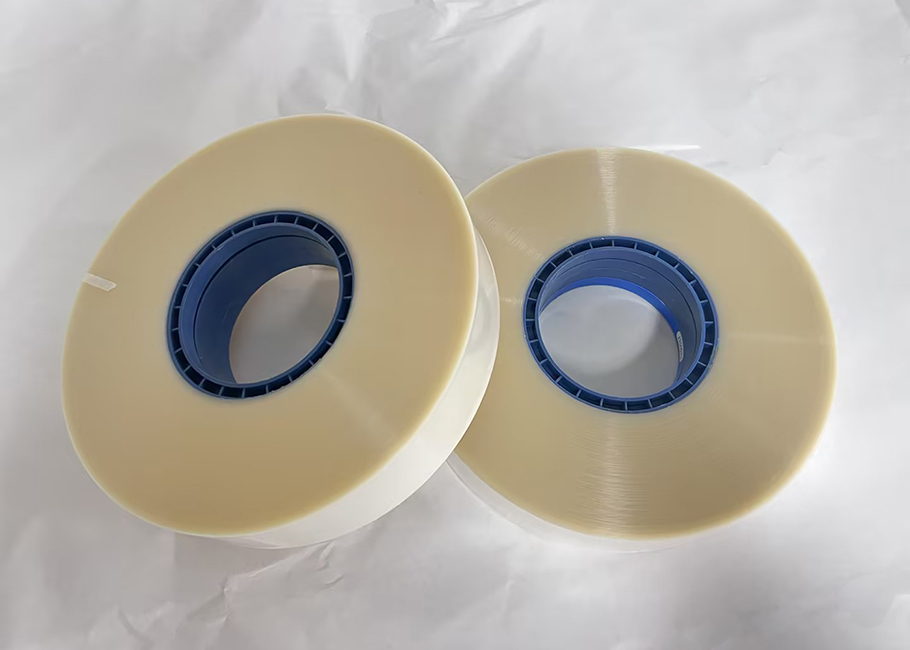
Our product fits this topic clearly because it is a PET-based Hot Melt Packaging Tape made for bundling and packaging work that uses heat during application. In simple terms, it stays solid under normal room conditions, then becomes workable when heated through the right packaging process. That makes it a more specialized product than a general carton sealing tape. It is designed for packaging systems that need controlled heat sealing and stronger bundling performance.
Many buyers want one exact temperature, but in real production, performance depends on more than one number. The heating device, the speed of the line, the contact time, the material being packed, and the surrounding environment all influence how the tape behaves. A packaging tape may activate well in one system and perform differently in another if the heat input is not controlled properly.
That is why experienced buyers focus on working conditions rather than chasing a single simplified answer. For factory packaging teams, the more useful question is whether the tape can heat evenly, seal quickly, and hold after cooling without creating waste or slowing the line. For importers and project buyers, the question becomes whether the supplier can help match the tape to the intended packaging process.
Material choice has a major impact on packaging results. A weaker base may stretch too easily, break under pressure, or lose stability when the packaging environment changes. A stronger base gives buyers more confidence during bundling, transport, and storage.
Our product uses PET as the base material, which is one of the reasons it fits industrial and bundling applications well. PET helps provide strength, rigidity, and a more stable structure during use. That matters for buyers because packaging tape is not just about surface adhesion. It also needs to handle pulling force, maintain shape, and support reliable sealing performance in actual operations. When packaging failures happen, they often cost much more than the tape itself. That is why the material behind the tape deserves just as much attention as the adhesive layer.
For many buyers, the real concern behind this topic is transport risk. Goods may move through warehouses, loading areas, hot climates, or long-distance freight routes. If the packaging material cannot stay stable in changing conditions, the whole packing system becomes less reliable.
This is one reason why hot melt packaging products are often chosen more carefully in industrial supply. Buyers want to know whether the tape will hold after sealing and whether it can stay dependable under real logistics pressure. A tape that performs well in controlled factory conditions but fails during shipment creates bigger losses later. In B-end trade, that risk matters more than the lowest unit price.
The word melt can sometimes confuse buyers because it sounds like the product is fragile. In reality, for this category, the important point is controlled heat sealing performance. The tape is designed to be heated at the right stage, not to become unstable during ordinary use. That distinction matters in marketing as well as sourcing.
A buyer looking at Hot Melt Packaging Tape is usually looking for a packaging material that can complete bundling tasks quickly and form a firm bond after cooling. That makes the product suitable for operations where speed, sealing quality, and labor efficiency all matter. Instead of focusing only on whether the tape melts, it is often better to present the product as a tape that activates under heat and delivers reliable packaging results.
For many B-end customers, the packaging tape itself is only one part of the deal. The other part is whether the supplier can support the project behind it. Some buyers need a different width. Some need a different thickness. Some need packaging adjustments for their own distribution system. Others need a supplier that can support repeat orders, factory supply, and custom production under OEM or ODM terms.
That is where this product becomes commercially stronger. A packaging material that supports customization is easier for distributors and industrial buyers to fit into different end uses. If one buyer needs tape for food-related bundling and another needs it for industrial product packaging, the supply discussion is not exactly the same. A real supplier should be able to support that difference with more than a standard quotation.
Packaging buyers often start with price, but they do not stay there for long. Once the order reaches actual use, the bigger questions appear. Does the tape bond consistently. Does it run smoothly through the packaging process. Does it store well before use. Can it handle transport conditions without causing packaging failure later.
These are the practical concerns that shape repeat orders. A tape may look competitive on paper, but if it causes line issues, weak seals, or inconsistent results, the real cost becomes much higher. That is why serious buyers care about supply consistency, technical matching, and communication from the supplier side. In many cases, the best-value packaging material is not the cheapest one. It is the one that helps the buyer avoid problems later.
Even a good packaging tape should be stored properly. Heat, sunlight, pressure, and poor warehouse conditions can all affect how materials perform over time. Buyers sometimes focus so heavily on use temperature that they forget storage conditions can shape the result before the product ever reaches the production line.
That is why packaging materials should be kept in a clean, dry, and controlled environment whenever possible. Stable storage supports more reliable performance later. For importers and resellers, this is also part of product presentation. A buyer who receives packaging tape in better condition is much more likely to reorder with confidence.
One reason this kind of tape has broader value is that it is not limited to one narrow use. It can fit packaging and bundling needs in food-related goods, daily necessities, pharmaceutical packaging, industrial products, and logistics applications. That wider relevance matters because buyers often prefer packaging materials that can serve more than one customer type or product line.
For wholesalers and solution providers, this makes the category easier to grow. Instead of selling a packaging material with only one very narrow use case, they can position it as a more adaptable solution for different bundling and sealing needs. That kind of flexibility is commercially useful, especially for companies building longer-term supply relationships.
So, what temperature does packaging tape melt? For Hot Melt Packaging Tape, the better answer is that it is designed to stay solid in normal conditions and become workable when heat is applied in the correct packaging process. In real sourcing, the more important question is not a single number. It is whether the tape matches the application method, the production environment, and the performance expectations of the buyer.
If you are looking for a supplier for wholesale, OEM, ODM, or industrial packaging projects, feel free to contact us. Share your tape width, thickness, application process, or market requirements, and we can help you review a more suitable packaging tape solution for your business.
Previous: Can You Use Duct Tape on A Package?