xinyuanshun@xyspaper.com
+86-13316621858
+86-0750-3766098

anti rust paper is a protective packaging material designed to help metal parts resist corrosion during storage, handling, and shipping. In most industrial settings, it is used to wrap or separate metal components so the surface is less exposed to the conditions that cause rust. For buyers working with steel parts, copper components, aluminum products, or mixed metal shipments, this matters because corrosion often starts before the goods even reach the customer. A practical rust prevention paper solution helps reduce that risk while keeping packaging simpler and cleaner than oil-based protection methods.
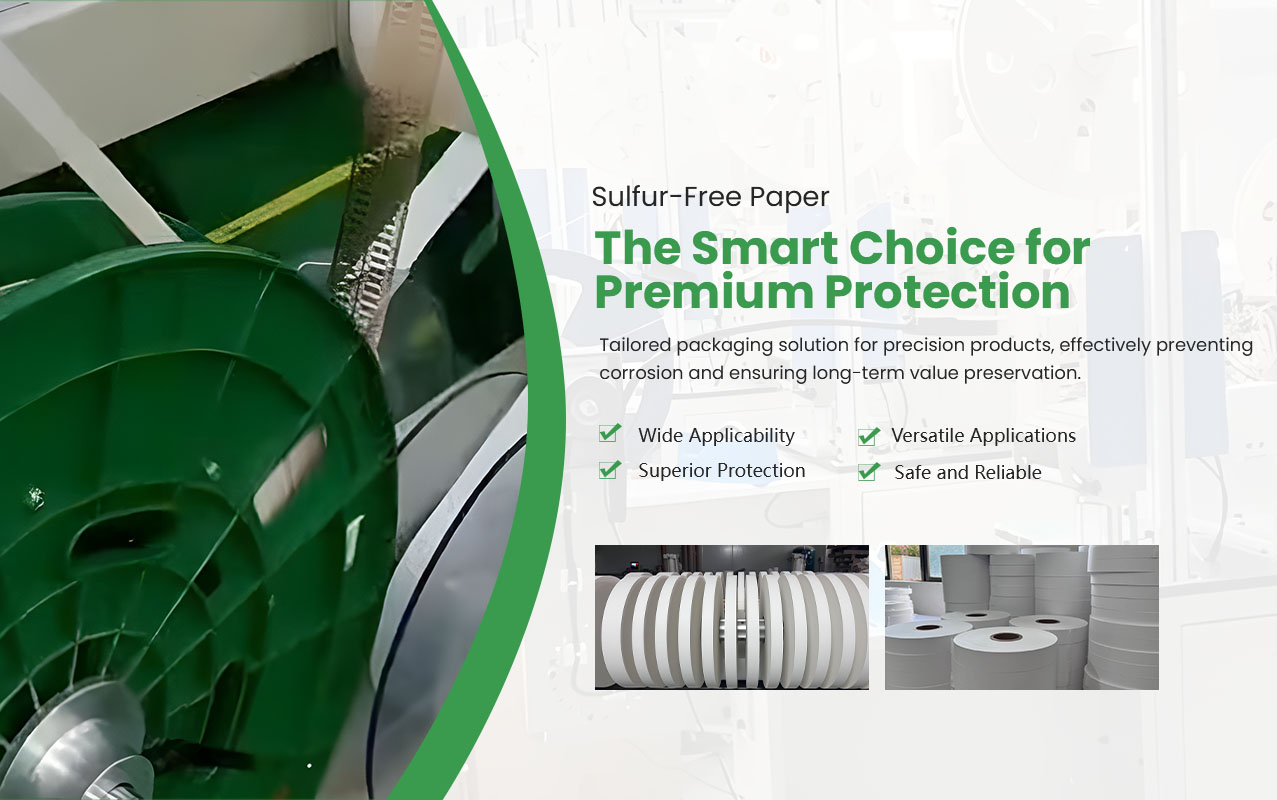
The basic job of anti rust paper is to create a protective environment around the metal surface. Some anti rust paper works mainly as a barrier against outside moisture and contamination. Some types also use active corrosion-inhibiting chemistry to improve protection during transport and storage. The purpose is straightforward: reduce direct exposure to humidity, condensation, and other factors that can lead to oxidation on metal surfaces. That is why anti rust paper is widely used not only as wrapping paper, but also as interleaving paper and internal packaging for metal goods.
This is also where buyers need to make a practical distinction. Not every protective paper works the same way. Laminated paper can help block moisture, but it does not actively prevent rust through vapor-phase inhibitors. Rust prevention paper is used when the packaging job needs actual anti-corrosion performance rather than simple surface isolation.
In real production and export environments, rust is not only a product problem. It becomes a cost problem. Once metal parts develop visible corrosion, the result can be customer complaints, rejected shipments, cleaning rework, or even full replacement. That is why anti rust paper is often chosen long before the goods leave the factory. It gives manufacturers and exporters a more controlled way to protect finished metal parts without adding heavy grease, messy coatings, or complex post-cleaning steps.
For B2B buyers, this is one of the biggest concerns in the category. The packaging has to protect the product, but it also has to fit real warehouse and shipping conditions. A material that is easy to wrap, easy to cut, and easier to remove at destination can save time across the whole supply chain. That is one reason rust prevention paper stays relevant in industrial packaging programs, especially when buyers want a balance between corrosion control, handling convenience, and packaging cost.
Anti rust paper is commonly used for steel, copper, and aluminum products. Those three categories appear often because they are widely used in manufacturing and each has its own corrosion risk during storage or transport. Steel parts may rust in humid environments. Copper can discolor or corrode. Aluminum can also suffer surface damage or tarnishing under poor storage conditions. A rust prevention paper product is often selected based on the target metal, the storage period, and the shipping environment.
This matters in sourcing because buyers do not always need the same paper for every metal category. A packaging program for automotive steel components may not be identical to one for copper wire or aluminum sheets. The more varied the shipment, the more important it becomes to choose a product that can match the application rather than relying on a generic wrap.
Rust prevention paper is commonly used in industrial packaging, metal parts storage, and export shipping. It works well when the goal is to protect components during the period between production and end use. That includes warehouse storage, container shipment, internal factory handling, and protective wrapping before final assembly. It is also useful when buyers want packaging that can be customized to different widths, thicknesses, or part formats instead of forcing all products into one standard size.
For suppliers and distributors, this flexibility is important. Some customers need roll material for continuous packing. Some need sheets for part separation. Some need a cleaner alternative to oily protection systems. A customizable rust prevention paper product is easier to position because it can support different industries without turning the packaging process into something overly complicated.
Many buyers start by comparing anti rust paper with oil, coating, plastic wrapping, or laminated paper. The reason is simple: all of them seem to offer some form of protection. But the real difference comes from use conditions and downstream handling.
Oil and grease can protect metal, but they usually add cleanup work. Plain plastic may block some outside moisture, but it does not always provide the anti-corrosion effect required for sensitive parts. Laminated paper improves moisture resistance, but it is not the same as a rust prevention paper designed specifically for corrosion control. For many industrial users, anti rust paper becomes a more practical middle ground because it combines protection with easier handling and less post-processing.
When choosing anti rust paper, buyers usually need to look beyond the name. The first point is metal compatibility. The second is the expected storage and shipping condition. The third is whether the paper format matches the packaging line. Width, thickness, roll or sheet form, and customization options all affect how smoothly the material will fit into real production use. The product range in this category highlights customizable width and thickness, which is useful for buyers who need packaging to match specific part sizes or wrapping methods.
The other practical point is whether the paper supports the full packaging process, not just the protection claim. If the paper is difficult to handle, inconsistent in supply, or poorly matched to the metal type, it can create extra work instead of reducing it. That is why many industrial buyers focus on stable supply, practical customization, and real application fit rather than choosing only on price.
So, what is anti rust paper? It is a metal-protection packaging material used to help prevent corrosion during storage, transport, and handling. In practical terms, it helps manufacturers and exporters protect steel, copper, aluminum, and other metal products more efficiently, while avoiding some of the mess and extra labor that come with traditional rust protection methods. A well-matched rust prevention paper solution can make a real difference in product condition by the time goods reach the next stage of the supply chain.
If you are comparing anti rust paper options for your metal packaging program and want to discuss material fit, customization, or application needs, you are welcome to contact us. We can help you review a more suitable solution based on your metal type, packaging process, and shipping conditions.
Previous: What Is Double Offset Paper?