xinyuanshun@xyspaper.com
+86-13316621858
+86-0750-3766098

In industrial use, wrapping is not only for appearance. It is part of product protection. A properly rolled wrap helps keep goods together, reduces movement, improves handling, and adds a cleaner outer layer around cartons, pallets, components, or packaged items. This is why wrapping film is widely used in logistics, retail packaging, electronics, construction materials, and industrial transport. A PET-based industrial wrapping film is often chosen because it combines tensile strength, transparency, moisture resistance, and heat-sealing performance in one material.
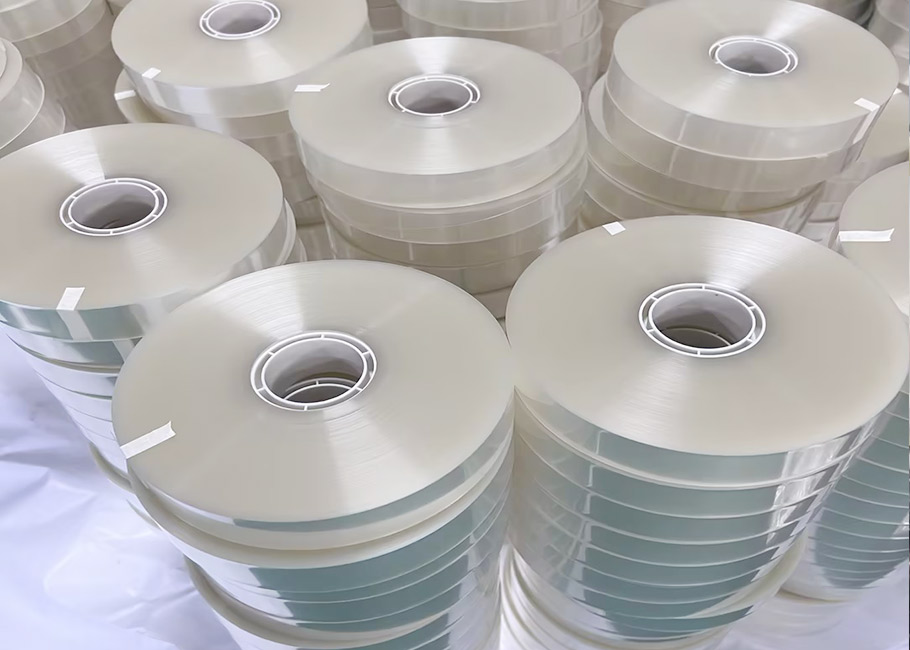
A wrap is only effective when it works as a stable outer layer. In real packing environments, the film must do more than circle the product once. It has to hold shape, reduce loosening, and keep the unit more secure during movement. That is especially important when the wrapped item is stacked, transported, or stored for a longer period.
Good wrapping also improves consistency. When each unit is wrapped in the same way, warehouse handling becomes easier and the packaging result looks more professional. This matters for factories, distribution centers, and retail suppliers, because clean and stable packaging often affects both product safety and customer perception.
Before rolling the wrap, the first question is whether the film matches the application. Different products need different levels of support. A light bundle may only need a basic protective layer, while heavier or more sensitive goods need stronger film with better tensile performance and better resistance to impact, moisture, or temperature changes.
This is why industrial wrapping film is usually selected by more than width alone. Material strength, flexibility, transparency, heat-sealing behavior, and weather resistance all matter in actual use. PET wrapping film is commonly used for this reason, since it offers good physical strength, chemical resistance, moisture resistance, and impact resistance while still remaining practical for industrial packaging.
A good wrap begins before the film is even applied. The product or pallet should be positioned neatly, with loose corners, unstable stacks, or protruding parts corrected first. Wrapping cannot fully solve poor product arrangement. It works best when the items are already grouped in a stable shape.
This preparation stage is often overlooked, but it affects the final result more than expected. When the load is cleanly arranged, the film rolls more evenly, holds more consistently, and creates less waste. It also reduces the chance of tearing or uneven tension during the wrapping process.
The wrap should begin at the lower part of the product or pallet. Starting low helps create a stable foundation that anchors the rest of the film layers. The first turns are important because they support everything above them. If the base layer is loose, the whole wrap becomes weaker later.
At this stage, the film should be applied with steady tension rather than force. The goal is to create early stability, not to crush the product. A well-rolled base keeps the load more secure and makes the upward wrapping process smoother.
Tension is one of the most important parts of wrapping. Too little tension leaves the film slack and reduces holding power. Too much tension can damage packaging edges or create unnecessary stress on the goods. Good wrapping keeps the film firm but controlled.
This is one reason industrial wrapping film with high tensile strength is valued in packaging work. Stronger film can withstand pulling forces better and maintain package integrity during handling and transport. In practice, that helps the operator roll the wrap more confidently without the film breaking too easily.
As the wrap moves upward, each layer should overlap the previous one consistently. Even overlap creates better load stability and a cleaner finished appearance. If the overlap is too narrow, some areas may remain underprotected. If it is too wide, the material use becomes inefficient.
A steady rolling rhythm usually gives the best result. The film should move upward in a controlled path so the package gains balanced coverage from bottom to top. This is especially useful when wrapping cartons, palletized goods, or bundled products that need to stay aligned during logistics handling.
Corners and exposed edges often need more attention than flat surfaces. These points are where packaging damage is more likely to begin, especially during loading, stacking, or transport. A well-rolled wrap should reinforce these areas without creating excessive bulk.
Transparency can also help here. A clearer film allows the operator to check whether corners, labels, or product details are still visible after wrapping. High-transparency wrapping film is useful because it protects the product while still allowing visual inspection of the goods inside.
The last part of the wrap should be secured cleanly so the film does not loosen during storage or transport. Depending on the packaging method, this may involve pressing the end into the final layer, heat sealing, or preparing the film for machine-based finishing.
This is where heat-sealing performance becomes important in some industrial uses. A wrapping film with good heat-sealing effect can form a stronger closure, which helps maintain package integrity and gives a more reliable finished result.
The basic logic is the same whether the wrap is rolled by hand or by equipment. The difference is in speed, consistency, and scale. Manual wrapping can work well for smaller batches or flexible handling needs. Machine wrapping is usually better for larger-volume operations where consistent tension and repeatable packaging are more important.
In industrial settings, choosing suitable equipment also matters. Rotary wrapping machines and robotic systems are often selected according to product type and packaging demand. Proper operator training and equipment maintenance are also part of better wrapping results, because poor handling can cause packaging failure even when the film itself is suitable.
Even a good wrapping film needs proper storage. Heat, direct sunlight, and poor environmental conditions can reduce film performance before it is used. In practical terms, wrapping film should be stored in a dry and cool place so that its protective qualities remain stable.
This matters because packaging performance depends on both product quality and handling conditions. A strong film may still underperform if it is stored badly or used in the wrong environment. That is why professional buyers usually evaluate not only the film itself, but also how it fits their full packaging process.
Wrapping needs are not always standard. Some buyers need different widths, thicknesses, surface treatments, or even color adjustments depending on equipment and application type. This is where customized film supply becomes useful.
Industrial wrapping film can be customized in width, thickness, color, and surface treatment to meet different packaging requirements. That flexibility is especially helpful in logistics, electronics, automotive parts, construction materials, and other sectors where the wrap has to match specific operating conditions rather than serve as a general-purpose outer layer.
Learning how to roll a wrap is really about creating stable, controlled, and efficient packaging. A proper wrap starts with good product arrangement, uses balanced tension, keeps overlap even, protects vulnerable areas, and ends with a secure finish. When the right film is matched with the right wrapping method, the result is cleaner packaging, better protection, and more reliable transport performance.
If you are looking for industrial wrapping film for packaging, bundling, or transport protection, feel free to contact us. We can help you review film specifications, customization options, and application needs so you can choose a wrapping solution that fits your workflow more effectively.
Previous: