xinyuanshun@xyspaper.com
+86-13316621858
+86-0750-3766098

If the application only involves general wire wrapping at normal temperatures, standard electrical tape may be enough. But if the environment includes high heat, sensitive electronics, or continuous thermal stress, a more specialized heat-resistant tape is usually the better choice.
Electrical tape is mainly used for insulation, basic protection, and bundling in electrical work. Its purpose is to cover exposed areas, reduce direct contact, and help keep wiring more organized. In many light-duty applications, it performs well because it is flexible, easy to apply, and simple to handle.
The problem begins when people expect one tape type to do every job. Electrical insulation and heat resistance are related, but they are not the same thing. A tape can be suitable for general insulation without being suitable for continuous high-temperature conditions. This is where material choice becomes much more important.
Heat resistance is not defined by the word electrical. It is defined by the material structure of the tape itself. Some tapes are made for ordinary wrapping and light insulation. Others are designed for environments where temperature stability matters much more.
When the material is not built for heat, the tape may begin to change under thermal stress. It may lose shape, reduce bonding strength, or become less reliable around delicate components. In practical use, this creates a risk not only for the tape, but also for the part it is supposed to protect.
Standard electrical tape is often acceptable for general household or low-temperature electrical work. But it becomes less reliable in places where heat is constant, where components are sensitive, or where failure would affect equipment safety. This is especially true in electronics, automotive systems, industrial devices, and compact assemblies where heat builds up in a controlled but demanding environment.
In these cases, using ordinary tape only because it is labeled electrical can lead to the wrong result. A better question is not whether it is electrical tape, but whether it is designed for the actual operating temperature.
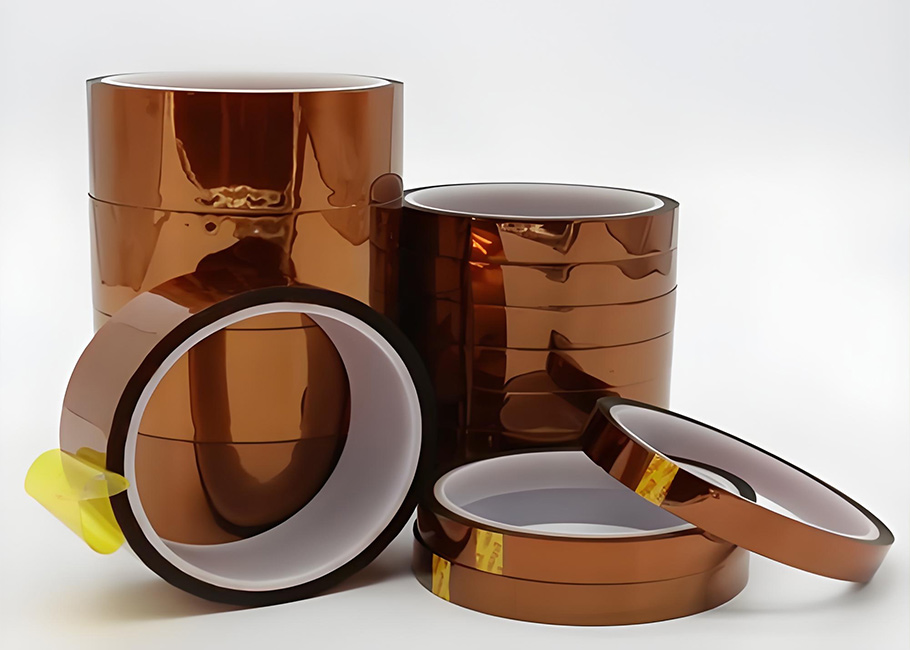
Heat resistant pi film tape is made for a more demanding role. Instead of serving only as a general wrapping material, it is designed to provide both thermal and electrical insulation in high-performance environments. It is also valued for its strong structure, which helps it resist tearing, punctures, and abrasion during handling and application.
This makes it much more suitable for projects where ordinary electrical tape may not be enough. In real industrial use, the difference is not only about surviving heat. It is also about maintaining insulation performance, staying stable during operation, and protecting critical parts over time. The product page for this PI film tape highlights heat resistance, electrical insulation, and structural durability as its core features.
Heat-resistant tape is typically chosen in environments where thermal load and electrical reliability matter at the same time. Electronics and optoelectronics are common examples. Circuit boards, semiconductors, and other sensitive parts often need protection from heat and interference during processing or operation.
The same logic applies in automotive, aerospace, power distribution, and industrial equipment. These are not environments where tape is added for convenience alone. It is part of the protection system. That is why the material must stay stable under more demanding conditions rather than only perform well during light daily handling. The PI film tape described on your product page is positioned exactly for these kinds of fields, including electronics, aviation, automotive, industrial machinery, and energy systems.
A tape used around wires or components should not be judged by heat resistance alone. It also needs to maintain insulation performance while exposed to that heat. If the material stays in place but no longer protects sensitive parts properly, then the tape is not solving the real problem.
This is one reason PI film tape is widely used in technical applications. It is not presented as a simple general-purpose tape. It is described as a material with both thermal insulation and electrical insulation properties, which makes it more suitable for equipment where stability and protection have to work together.
When people ask whether electrical tape is heat resistant, they are often really asking what tape should be used for a hot environment. The better answer depends on the application. If the job is light and the temperature is limited, standard tape may still be acceptable. But if the working condition involves heat-sensitive parts, long exposure, or technical equipment, a specialized product is usually the safer choice.
This is where product-oriented selection becomes more useful than general terminology. A tape should be chosen based on operating condition, insulation need, and durability requirement, not just on whether it looks similar to another tape roll.
Industrial buyers often need more than a standard roll. Width, thickness, and length may all affect how well the tape fits the process. In converting, wrapping, and equipment protection work, these details are part of the application, not just optional preferences.
That is why customized tape supply has practical value. The PI film tape product page notes that customization is available for width, thickness, and length, which is important for buyers who need the material to match different devices, components, or production conditions.
So, is electrical tape heat resistant? The practical answer is that some electrical tape can resist a certain amount of heat, but standard electrical tape is not always the right choice for high-temperature environments. When the application involves ongoing thermal stress, sensitive electronics, or critical insulation demands, a dedicated heat-resistant material is usually the better option.
If you are looking for heat resistant tape for electronics, industrial equipment, or custom insulation projects, feel free to contact us. We can help you review material options, dimensions, and application needs so you can choose a tape solution that fits your working environment more reliably.
Previous: How To Roll A Wrap