xinyuanshun@xyspaper.com
+86-13316621858
+86-0750-3766098

Yes, there can be a difference between parchment paper and baking paper, but in many markets the two names are often used to describe the same product. That is why so many buyers, bakers, and food packaging users get confused. In everyday kitchen language, parchment paper and baking paper usually refer to a heat-resistant, non-stick Food Paper used for baking, lining trays, wrapping food, and reducing cleanup. In commercial sourcing, though, the exact meaning can depend on the region, supplier wording, coating type, sheet format, and intended use.
This is where the topic becomes more important than it first seems. If a buyer only looks at the name on the label, it is easy to assume all products perform the same way. In reality, the more useful question is not what the paper is called, but how it performs in baking, food contact, grease resistance, release effect, and heat handling. A paper called parchment paper in one market may be sold as baking paper in another, while both are made for the same practical purpose.
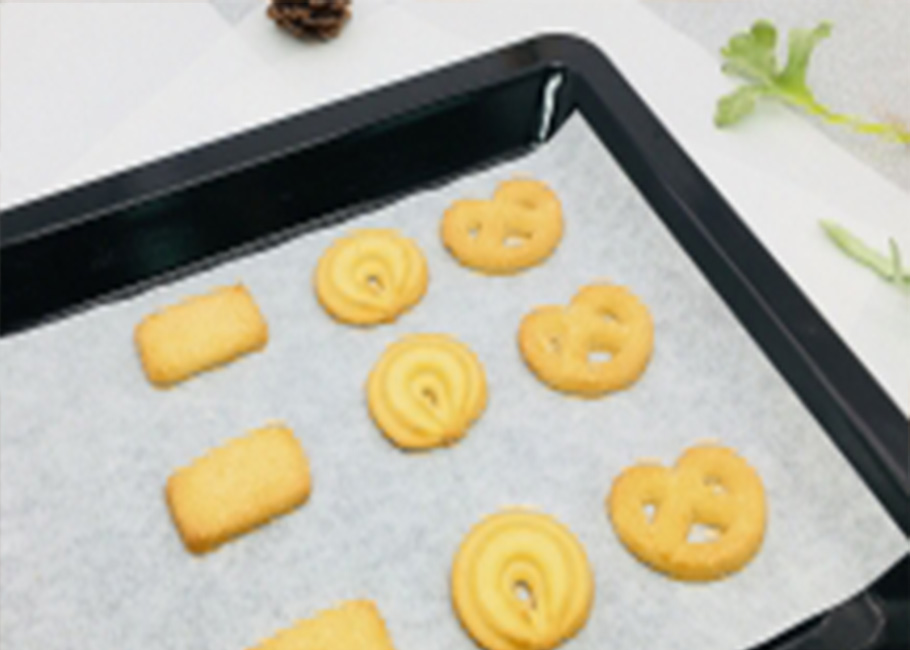
In many English-speaking markets, parchment paper and baking paper are treated as equivalent names. People use them in recipes, kitchen instructions, and product packaging without making a strict distinction. The reason is simple. Both names commonly point to a paper designed for oven use, food contact, and non-stick baking support.
From a user point of view, this makes sense. Whether someone is lining a tray for cookies, separating pastries, or preparing food for oven baking, they care more about whether the paper releases cleanly and handles heat well than about the exact naming habit. That is why the terms overlap so often in retail and wholesale communication.
The difference usually comes from language habits, market preference, and product description style rather than from a completely different material. In some regions, parchment paper is the more common term. In others, baking paper is more familiar. Some suppliers use parchment paper when speaking about coated food-grade Release Paper, while baking paper is used as a broader commercial term for papers prepared for oven baking and tray lining.
This means the name alone does not always tell the full story. A buyer needs to check the real product features. Is it non-stick? Is it grease resistant? Is it food safe? Is it designed for baking temperature? Is it sold in rolls, pre-cut sheets, or customized sizes? These practical details matter far more than the product name by itself.
Parchment paper usually refers to a specially treated food paper designed to resist heat, oil, and sticking during baking. It is widely used for cookies, bread, cakes, pastries, roasted food, and tray lining. It helps reduce direct contact between food and metal surfaces, which makes baking cleaner and easier to manage.
In practical use, parchment paper is valued because it supports cleaner release. Bakers do not want delicate products tearing on the tray or greasy residue building up too quickly. A good parchment paper helps solve both problems. It keeps food handling smoother and also saves time during cleanup.
Baking paper usually refers to paper intended for baking use, and in many cases it is the same kind of product as parchment paper. The term sounds broader and more usage-based. Instead of describing the paper by material style, it describes the paper by what it is used for. That is why baking paper is a common product name in retail packaging and food service supply.
For many buyers, baking paper feels like the more direct term because it immediately explains the function. It is paper for baking. But once performance is compared, it often overlaps heavily with parchment paper. The difference is often more about wording than about a meaningful gap in baking performance.
When choosing food paper, performance should always come before naming. A bakery, food brand, distributor, or home user does not benefit from a product simply because it carries the right label. What matters is whether the paper works well in real use. It should release food cleanly, resist grease penetration, stay stable during baking, and support efficient handling.
This is especially important for bulk buyers and private label programs. A paper may be called parchment paper or baking paper, but if it curls too easily, tears during use, or fails to provide a good non-stick surface, the name becomes irrelevant. Reliable baking results come from product quality, not terminology.
The easiest way to tell whether parchment paper and baking paper are basically the same is to compare their practical specifications. Look at the food-contact purpose, non-stick function, grease resistance, temperature suitability, paper weight, sheet size, and format. If these features match closely, the two names are likely describing the same type of product for the same use.
Whether it is called parchment paper or baking paper, the common uses are very similar. It is used for tray lining, baking release, food separation, wrapping baked goods, and reducing oil transfer to pans and trays. It can also support cleaner handling for frozen dough, pastries, cookies, and prepared foods.
This wide range of use explains why the naming overlap continues. In real kitchens and food businesses, the product role is clear. It is a practical food paper that helps make baking cleaner, easier, and more efficient.
Before ordering, buyers should not stop at the product name. They should check whether the paper is food grade, whether it offers a stable non-stick effect, whether it has good grease resistance, and whether the sheet size fits the intended tray or packaging use. Customization can also matter for brands that need specific dimensions, printing, packaging style, or supply format.
For wholesale and OEM orders, clear communication is even more important. A buyer may ask for baking paper, but the supplier should still confirm the real application. The product used for cookie trays may not be packed the same way as the paper used for food wrapping or bakery display. Good sourcing starts with application clarity, not just product naming.
The market still uses both parchment paper and baking paper because both terms are useful in different contexts. Parchment paper sounds more material-based and traditional in kitchen language. Baking paper sounds more direct and commercial. Neither term is wrong. They simply reflect different ways of describing a very similar food paper product.
This is why professional buyers often become less concerned about the term itself once they understand the product. After that, the real focus shifts to sheet size, coating performance, food safety, grease resistance, and supply reliability.
So, is there a difference between parchment paper and baking paper? Sometimes there is a small difference in wording, market usage, or product description, but in many cases they refer to the same kind of heat-resistant, non-stick food paper used for baking. The smarter way to compare them is not by name alone, but by actual performance, format, and intended use.
If you are comparing parchment paper sheets and baking paper sheets for retail, food service, or customized supply, feel free to contact us. We can help review your application, discuss suitable specifications, and provide practical guidance for selecting the right paper for your market.
Previous: What Is Kraft Paper?