xinyuanshun@xyspaper.com
+86-13316621858
+86-0750-3766098

When people start using an air fryer, one of the most common questions is simple: what kind of paper can actually go inside it? The short answer is that not every paper is suitable. The paper used in an air fryer should be made for food contact, able to handle cooking heat, and stable enough not to fall apart during use. In most everyday cooking situations, the paper people are really talking about is air fryer paper or parchment-style liner paper designed for high-temperature food preparation.
This matters because an air fryer does not cook in the same way as a traditional pan. It works by circulating hot air quickly around the food. That means anything placed inside the basket has to work with airflow, not against it. If the wrong paper is used, it may block circulation, affect cooking results, or create unnecessary safety problems. If the right paper is used correctly, it can make food release more easily and make cleanup much simpler after cooking.
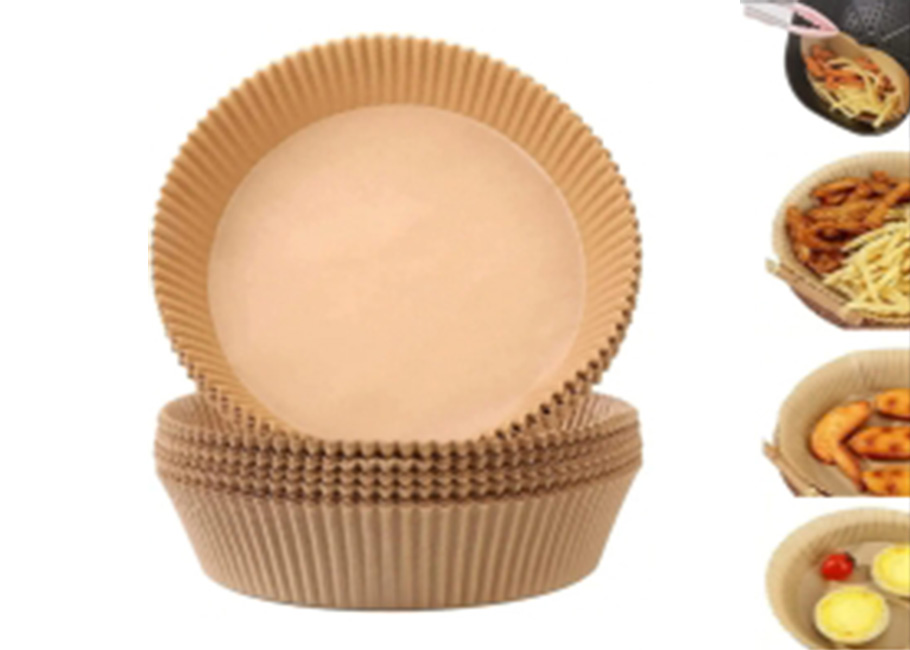
Paper is not essential for every air fryer recipe, but it is useful in many situations. Foods with oil, sauce, crumbs, or sticky surfaces can leave residue in the basket. Over time, this makes cleaning more annoying than the cooking itself. A proper liner helps separate the food from the basket surface and reduces baked-on grease.
Paper can also help keep delicate foods more intact. Some items are more likely to stick, break apart, or leave a messy coating behind. In these cases, a suitable air fryer paper acts as a clean support layer. It does not replace the basket or tray. It simply makes the cooking process neater and easier to manage.
The most suitable paper for an air fryer is food-grade parchment paper or a dedicated air fryer liner made for high-temperature cooking. This kind of paper is designed to handle the heating environment better than ordinary household paper. It is also commonly chosen because it offers a non-stick surface and helps reduce grease transfer to the basket.
In many cases, air frying paper is preferred over general kitchen paper because it is made with this exact cooking scenario in mind. It is often designed to resist oil, moisture, and sticking, which makes it more practical for foods like chicken wings, fries, pastries, seafood, and reheated snacks. A paper made for air fryer use usually supports cleaner cooking and faster cleanup without making the cooking process more complicated.
Some people assume that any paper can be used as long as the cooking time is short. That is not a good idea. Ordinary paper is not designed for cooking temperatures or direct food preparation. It may soften too quickly, absorb too much oil, deform during heating, or become unstable under strong hot airflow.
An air fryer creates a more intense and fast-moving heat environment than many people expect. The paper inside needs to tolerate that condition while staying in place under the weight of food. That is why ordinary writing paper, thin Packaging Paper, or random disposable paper should not be used. They are not made for this purpose and can affect both performance and safety.
A good air fryer paper should first be heat resistant. This is one of the most important features because the air fryer works at relatively high cooking temperatures. The paper should also have a food-contact surface that does not easily stick to the ingredients. That helps keep the food shape cleaner and makes removal easier after cooking.
Another important point is oil and moisture resistance. Many air fryer foods release grease, steam, or sauce during cooking. If the paper becomes too soft too quickly, it can tear or lose its function. Good air fryer paper is usually designed to stay more stable under these conditions. This makes it more reliable for everyday kitchen use and also more useful for food businesses that need cleaner cooking processes.
Yes, parchment paper can usually be used in an air fryer, but it should be the right type and used in the right way. It should be food-safe, intended for baking or hot food preparation, and placed so it does not interfere too much with hot air circulation. In practice, many users prefer air fryer parchment liners because they are already cut to size or shaped to suit the basket.
The key point is that parchment paper should work with the machine, not fight against it. If the liner is too large, covers too much surface, or is placed loosely without food on top, it may not perform well. A properly fitted liner is much better than a random sheet cut without considering the basket shape.
Airflow is the reason air fryers cook food so effectively. Hot air has to circulate around the ingredients to crisp the surface and cook the food more evenly. If the paper completely blocks that movement, the cooking result can become less satisfying. Food may come out softer, less evenly cooked, or slower to brown.
This is why many air fryer liners are designed with perforations or are shaped to leave room for circulation. Even when a solid liner is used, it should not be oversized or placed carelessly. The purpose of the paper is to make cooking cleaner, not to turn the basket into a sealed tray. Once that balance is understood, choosing the right paper becomes much easier.
Air fryer paper becomes especially useful when cooking foods that release grease or leave residue behind. Chicken, marinated meat, frozen snacks, pastries, and oily finger foods are all common examples. In these situations, the paper helps protect the basket and shortens cleanup time after cooking.
It is also useful when the user wants a tidier routine in a busy kitchen. For households, that means less scrubbing after meals. For commercial food preparation or takeaway testing, it can help keep the cooking process more organized. In both cases, the right liner supports convenience without adding much complexity.
Using air fryer paper properly is just as important as choosing the right paper. The liner should fit inside the basket or tray without hanging too far over the edges. It should lie flat enough to support the food, but it should not be placed loosely in a way that lets moving hot air lift it upward.
Food should be placed on the paper so the liner stays in position during cooking. This is a very practical point. In an air fryer, hot air moves fast. A light empty sheet can shift if it is not held down by ingredients. Proper use means treating the paper as a support layer under food, not as a free-floating insert.
For many foods, waterproof and oil-proof air frying paper is a better choice because it handles greasy or moist ingredients more comfortably. Foods often release oil, steam, and small drips during cooking. A paper with better oil resistance and moisture resistance helps the liner keep its structure longer and makes the basket easier to clean afterward.
This type of paper is especially practical when the cooking goal is convenience. Instead of letting grease spread directly across the basket, the liner catches much of the mess in one place. That does not only save cleaning time. It also helps the cooking setup feel more controlled and more suitable for repeat use.
Choosing air fryer paper depends on how it will be used. A home kitchen may focus on convenience, basic non-stick performance, and easy disposal. A food business may care more about consistency, size options, packaging format, and bulk supply stability. In both cases, the paper should be suitable for direct food contact and designed for hot cooking conditions.
Size matters too. The liner should match the fryer basket or tray as closely as possible. A liner that is too small may not protect enough surface. A liner that is too large may affect airflow or become awkward to use. This is why customizable sizing can be helpful for buyers who need a better fit for specific equipment or product lines.
One common mistake is using paper that is not made for air fryer cooking. Another is placing the paper inside the fryer without food on top. Some users also choose a liner that is too large and accidentally block too much of the hot air path. These mistakes can reduce cooking quality and make the paper less effective.
Another issue is assuming that all non-stick papers behave the same way. In practice, paper quality can affect how cleanly food releases, how well the liner holds oil, and how stable it remains during the cooking cycle. Choosing a paper made for this exact application usually gives better results than using a substitute.
For distributors, importers, retailers, and private label buyers, air fryer paper is not just a simple disposable item. It is a functional kitchen consumable that has to perform in real cooking conditions. Buyers usually care about heat resistance, food safety, non-stick performance, oil-proof behavior, and whether the product can be offered in sizes that match common fryer baskets.
This is where product consistency becomes important. If the paper tears too easily, sticks to food, or fails during use, customer experience suffers quickly. A better liner is not only easier to sell. It is also easier for end users to trust and reorder.
So, what kind of paper can be put in an air fryer? The best answer is food-grade, heat-resistant air fryer paper or parchment-style liner paper designed for this type of cooking. It should support hot air cooking, help reduce sticking, and handle grease and moisture better than ordinary paper. The right paper makes air fryer use cleaner, easier, and more practical without changing the cooking method itself.
If you are comparing liner options, checking paper specifications, or looking for Waterproof Air Frying Paper for retail, wholesale, or customized supply, feel free to contact us. We can help review suitable sizes, discuss product details, and provide practical guidance based on your actual application needs.