xinyuanshun@xyspaper.com
+86-13316621858
+86-0750-3766098

The best strapping tape for an automated strapping machine is the one that runs smoothly at your line speed, holds tension without stretching unpredictably, and seals consistently with the machine’s joining method. In automated systems, strap choice is not only about strength. It is about feed reliability, friction behavior, and seal performance across thousands of cycles. A strap that performs well in manual use can still cause downtime in automation if it slips on guides, sheds dust, or fails to weld or crimp consistently.
This guide explains how to choose the right Paper Strapping tape for automated strapping, what specifications matter most, and how to match strap type to machine style and load requirements. XINYUANSHUN provides paper strapping solutions for packaging lines and industrial logistics. You can review options on our paper strapping product page.
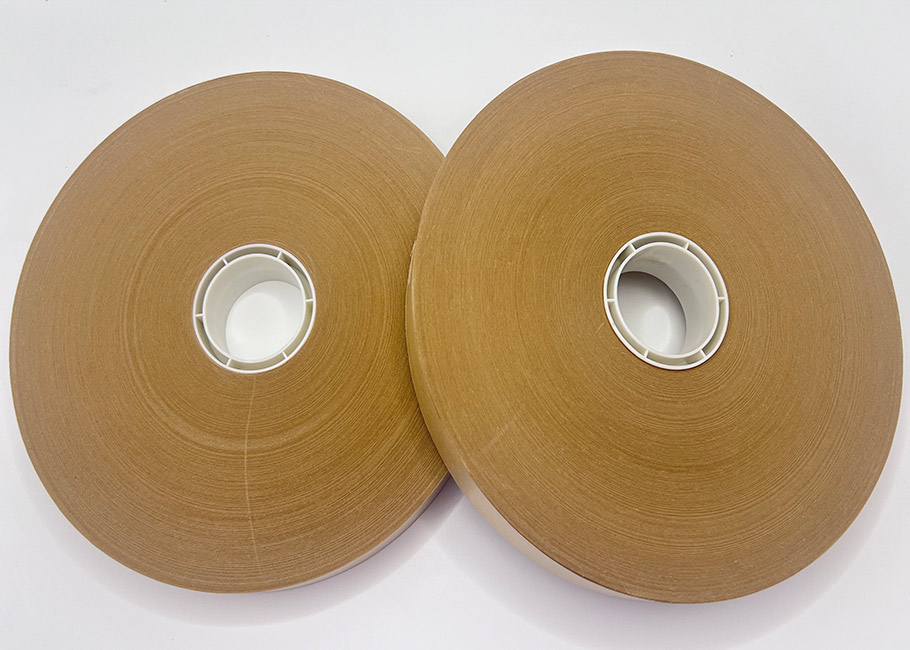
Automated strapping machines typically join straps using one of these methods. The best strap is the one designed to seal reliably with your exact method.
Heat seal or friction weld
Common in plastic strapping systems. The strap must soften and fuse in a predictable temperature window. Surface contamination and inconsistent thickness can cause weak seals.
Mechanical crimp or notch seal
Often used with steel strapping and some specialty systems. The strap must resist tearing at the seal point and maintain tension after crimping.
Adhesive or water-activated paper bonding
Used in paper-based strapping and certain bundling processes. The strap must bond quickly and hold under tension without peeling during handling.
Before comparing materials, confirm your machine’s sealing head type and the strap width range it supports. This single detail eliminates many mismatches.
Automated machines are sensitive to variation. The strap that works best is the one that stays consistent from the first meter to the last.
Key performance factors:
Dimensional consistency: stable width and thickness prevent misfeeds, skewing, and sealing head misalignment
Low dust and clean running: dust can reduce sensor accuracy and increase wear on guides
Controlled stiffness: enough rigidity to feed quickly, not so stiff that it springs or twists
Predictable friction: stable coefficient of friction helps the strap track across rollers and guides
Tension retention: the strap should hold load compression without excessive creep
When your line runs at speed, “good enough” strap becomes expensive through stoppages and rework. Automation rewards repeatability.
Many automated lines are built around PP or PET plastic straps, but paper strapping is increasingly selected for specific packaging goals, especially where sustainability, recyclability, or product-surface protection is important.
A practical comparison:
| Strap Type | Where It Fits Best | Automation Considerations |
|---|---|---|
| PP strapping | light to medium cartons, general logistics | easy feeding, consistent weld when quality is stable |
| PET strapping | heavier loads, palletized goods | higher tension, strong retention, needs stable weld settings |
| Paper strapping | bundles, cartons, paper-based packaging workflows | needs controlled stiffness and reliable bonding behavior |
Paper strapping can run very well in automated systems when it is engineered for stable feeding and consistent joining. This is especially relevant for brands aligning packaging with paper-based recycling streams.
Instead of choosing a strap by generic claims, match it to your operating conditions.
Your machine’s guides, tensioner, and sealing head are designed around a width range. Using a strap that is slightly off can cause tracking errors and seal weakness. Thickness affects both tension and sealing behavior. If your line experiences frequent strap breaks or seal failures, thickness consistency is one of the first parameters to review.
In automated strapping, you want enough tensile strength to hold the load, and enough elongation to absorb shock without snapping. Too much stretch can loosen the bundle after a few handling steps, especially on compressed cartons.
Rough edges increase guide friction and can catch at corners. Uneven surface finish affects bonding and increases dust. For paper straps, surface uniformity directly influences bonding speed and stability.
A strap that is perfect for one product can be wrong for another. Use the load behavior as your decision anchor.
Light cartons and mixed SKU shipping
Prioritize consistent feed and sealing speed, plus stable tensioning to avoid crushing corners.
Bundling flat products and print materials
Paper strapping often performs well because it can reduce scuffing and supports paper-based packaging systems.
Pallet loads with high rebound or shifting risk
Higher tension retention becomes critical. Confirm your machine can maintain consistent tension without overstressing the package.
Sharp edges and hard corners
Use edge protection or adjust tension settings. Strap alone cannot solve cut-through risk.
Even the right strap can fail if the machine is not tuned for it. These adjustments typically deliver quick stability gains:
Align guides and rollers so the strap path is straight with no side loading
Calibrate tension settings to your carton strength and bundle compression needs
Clean sealing heads and sensors regularly to prevent inconsistent joins
Control storage humidity because paper-based straps can change stiffness with moisture exposure
Run a short validation batch after changing strap suppliers or strap specifications
For paper strapping in particular, stable storage conditions help maintain feeding behavior and bond consistency.
When you source strap for automated use, the right questions reduce line risk and shorten qualification time.
Can the strap be supplied in stable width and thickness tolerances for automated feeding?
What joining method is the strap designed for, and what sealing window is recommended?
How does the strap behave under sustained tension and vibration during transport?
What storage conditions are recommended to maintain stiffness and performance?
Can the supplier support bulk order continuity with consistent batches and documentation?
These questions matter when you are qualifying material for an automated line, especially under commercial-grade throughput.
Paper strapping is not a universal replacement for plastic, but it can be an excellent fit when your packaging strategy favors paper-based materials, surface protection, and practical recyclability. For converters and packaging operations acting as a solution provider, paper strapping can also simplify material sorting for end users when the overall pack is designed around paper.
XINYUANSHUN offers paper strapping solutions designed for packaging workflows. Product details and available options are listed on our paper strapping product page.
The strapping tape that works best for automated strapping machines is the one that matches your machine’s joining method, feeds consistently at your line speed, and seals reliably across long runs. Focus on dimensional consistency, clean running behavior, controlled stiffness, and proven seal performance rather than choosing by strength alone. Paper strapping can be an excellent automation choice for the right applications when it is engineered for stable feeding and consistent bonding.
Questions about strap selection, machine compatibility, or how to qualify paper strapping on your line are welcome. XINYUANSHUN can recommend options based on your package type, strap width, joining method, and operating speed, and support stable supply planning for ongoing production.