xinyuanshun@xyspaper.com
+86-13316621858
+86-0750-3766098

Moisture damage is one of the most common hidden causes of quality variation in medical Kraft Paper. Even when rolls look fine from the outside, humidity exposure can change stiffness, porosity balance, and sealing behavior, which then shows up during converting as curl, waviness, poor lay-flat performance, and inconsistent seals. Preventing moisture issues is not complicated, but it requires a repeatable storage system from receiving to production use. This guide explains practical methods that protect Medical Kraft Paper storage quality and reduce waste in day-to-day operations.
XINYUANSHUN supplies medical kraft paper for sterilization packaging and related converting needs. You can review specifications and available formats on our medical kraft paper page.
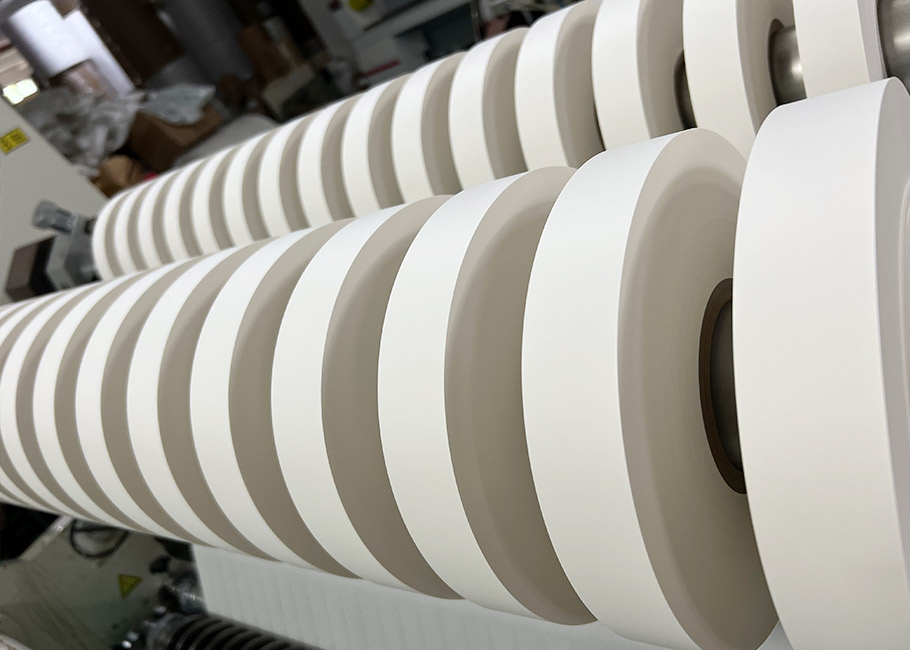
Paper fibers naturally absorb and release water vapor until they reach equilibrium with surrounding air. When relative humidity rises, the sheet gains moisture and can swell slightly; when humidity drops, it can lose moisture and shrink. Repeated swings create internal stress across the roll or sheet stack. In a converting environment, that stress becomes visible as edge curl, wrinkling, and dimensional drift.
Moisture exposure can affect performance in several ways:
Dimensional stability: swelling and shrinkage cause curl and registration issues
Handling strength: damp paper can feel softer and be more prone to edge damage
Seal consistency: changing moisture content can shift the sealing window and increase variability
Clean appearance: high moisture can lead to odor, staining on outer layers, and packaging deterioration
The goal is stability. A perfectly controlled warehouse is ideal, but many facilities work with mixed conditions. What matters most is avoiding high humidity zones, condensation, and fast temperature cycling.
Focus on these control points:
Keep storage away from open loading bays and exterior doors
Avoid placing rolls near cold walls where condensation forms
Reduce day-night temperature swings that increase moisture exchange
Keep paper away from direct airflow that cycles humidity quickly
If you manage multiple storage rooms, assign medical kraft paper to the most stable area, even if it is not the largest space.
Moisture problems often start after the wrap is damaged or opened too early. Protective wrap is designed to reduce exposure during transport and storage. Once compromised, the outer layers can absorb humidity rapidly, especially at the roll edges.
A disciplined routine helps:
Inspect each pallet at receiving for torn wrap, crushed corners, or wet marks
Keep rolls sealed until they are scheduled for production
If the wrap is damaged, rewrap immediately with a barrier film
Use edge guards or end caps when moving rolls to reduce wrap tearing
For bulk order warehouses and long storage cycles, packaging discipline is one of the highest-return habits you can standardize.
Concrete floors can be colder than air, especially in humid seasons. Cold surfaces promote condensation, and paper stored too close to the floor can absorb that moisture over time. Always use pallets or racks that keep rolls elevated and allow airflow around packaging.
Placement standards that work well:
Store rolls on pallets or racking, not directly on the floor
Keep a gap from exterior walls and windows
Avoid low corners where airflow is poor
Do not store under dripping pipes or near wash areas
If your facility experiences seasonal humidity spikes, increase spacing and airflow around stored pallets rather than packing them tightly.
Even small tears in the wrap can lead to moisture uptake at the outer layers. When rolls are moved frequently, edge scuffing and wrap punctures become more likely. Use handling rules that reduce damage and keep protective layers intact.
Operational habits:
Use proper clamps, cores, or lift attachments designed for rolls
Avoid dragging pallets across wet surfaces
Prevent forklifts from piercing wrap during entry
Keep aisles dry and clean to reduce splash moisture on pallets
These habits also reduce dust contamination, which often increases when paper is stored in high-traffic zones.
Condensation can occur when a cold roll is unwrapped in a warmer, humid production area. This is a common issue when paper is stored in a cooler warehouse but used in a temperature-controlled converting room.
A simple acclimation process:
Move the sealed roll to the production area in advance
Let it reach room temperature while still wrapped
Open the wrap only when the roll is ready to run
Avoid leaving unwrapped rolls idle during shift changes
This method minimizes sudden moisture exchange and helps stabilize converting behavior.
Partially used rolls are the most vulnerable. The protective wrap is gone, the outer layers are exposed, and the roll may sit for days before the next run. Moisture exposure in this stage often causes edge curl and sealing variation at the next startup.
A reliable resealing standard:
Wrap the roll tightly with barrier film after each use
Tape the film securely to prevent air gaps
Protect both roll ends, not only the circumference
Label the roll as opened with date and location
Use FIFO so opened rolls are consumed first
This approach reduces rework and improves consistency for converters running multiple SKUs.
| Control Point | Standard Action | Risk Reduced |
|---|---|---|
| Receiving inspection | Check for torn wrap, wet pallets, edge damage | Hidden moisture uptake |
| Storage position | Off floor, away from walls and doors | Condensation and humidity spikes |
| Wrap discipline | Keep sealed until scheduled for use | Outer-layer softening and curl |
| Acclimation | Equilibrate sealed rolls near production | Condensation after unwrapping |
| Partial roll reseal | Barrier wrap + end protection + FIFO | Edge curl and seal variability |
| Handling method | Avoid punctures, keep aisles dry | Wrap breaks and splash moisture |
This checklist works well for commercial-grade operations because it is simple to train and simple to verify.
Catching moisture damage early prevents unstable rolls from entering the line and causing scrap.
Common warning signs:
Wavy edges or soft-feeling outer layers
Telescoping or uneven roll tension
Discoloration or damp marks on wrap or pallet
Musty odor near outer layers
Increased sealing variability on startup sections
When these appear, isolate the roll and evaluate whether it should be conditioned in a controlled environment before use.
Preventing moisture damage during storage of medical kraft paper depends on stable warehouse conditions, intact protective packaging, off-floor storage, careful handling, acclimation before unwrapping, and disciplined resealing of partially used rolls. These steps protect dimensional stability and sealing behavior while reducing scrap during converting and packing.
If you are setting up storage standards for a new line, optimizing yield for a long-term supply program, or sourcing material for a project buyer requirement, XINYUANSHUN can support your selection with consistent specifications and practical handling guidance. Visit our medical kraft paper page and share your storage environment, roll format, and converting process details. Our team can recommend an efficient storage approach aligned with your workflow.